How AI Agents Are Redefining Procurement in Construction
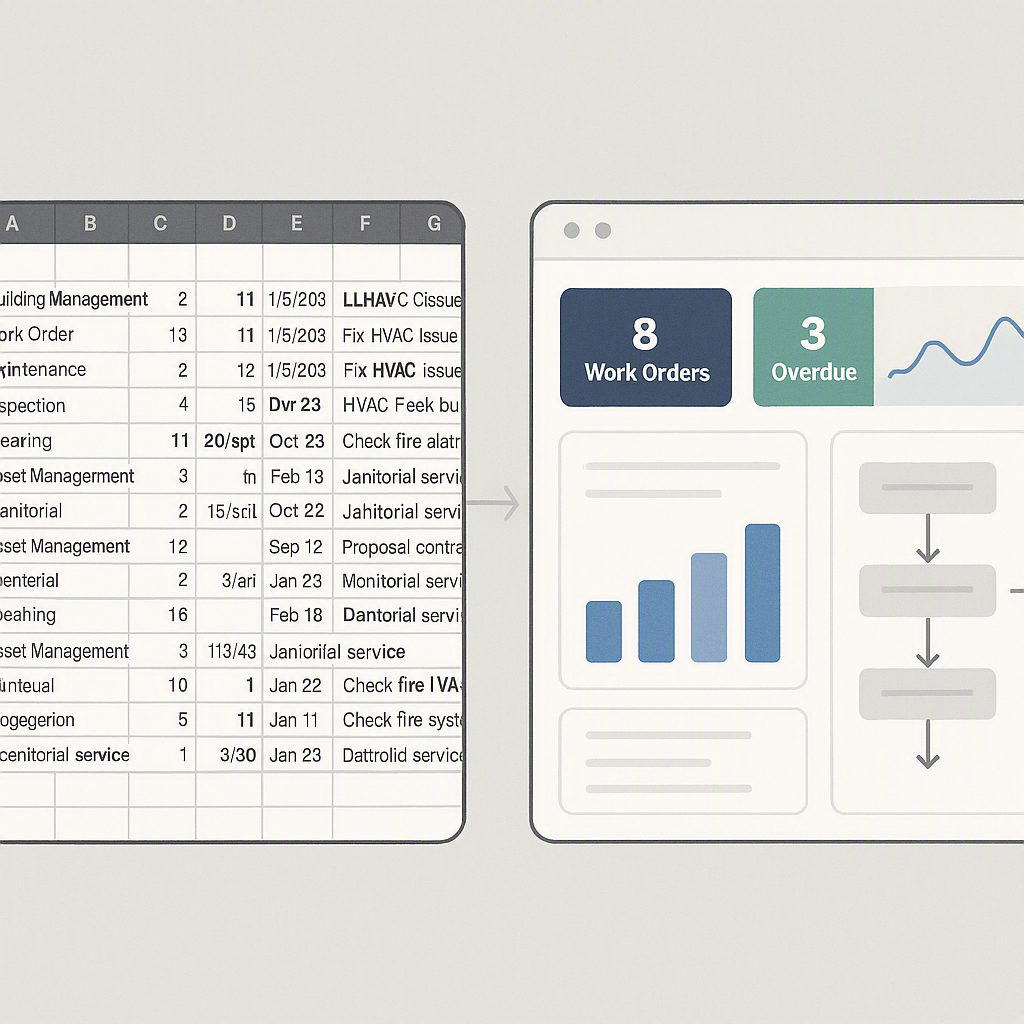
Manual procurement workflows are a mess. Material requisitions (MRs) sent via WhatsApp. RFQs buried in email threads. Vendor quotes mismatched with purchase orders (POs). Contractors know this chaos all too well. It’s not just frustrating — it’s expensive. Procurement errors can lead to project delays, cost overruns, and even compliance penalties.
AI agents are stepping in to clean house. Here’s how:
The Problem: Manual Procurement Chaos
Let’s start with a typical contractor’s workflow. Your site engineer raises a material requisition (MR) for 500 bags of cement. The procurement team sends RFQs to three vendors. Two respond with quotes, but one misses the deadline. Your team decides to proceed with the lowest quote, but someone forgets to attach the approval chain. The PO goes out incomplete.
Fast forward three weeks. The vendor delivers 450 bags instead of 500. There’s no system tracking the discrepancy — so the bill gets processed anyway. Your project manager notices the shortfall only when the site runs out of cement.
This isn’t rare. In fact, it’s the norm for small and mid-size contractors still relying on spreadsheets, emails, and phone calls. A McKinsey study found that procurement inefficiencies contribute to 57% of project delays globally. That’s staggering.
The Solution: AI-Powered Structured Workflows
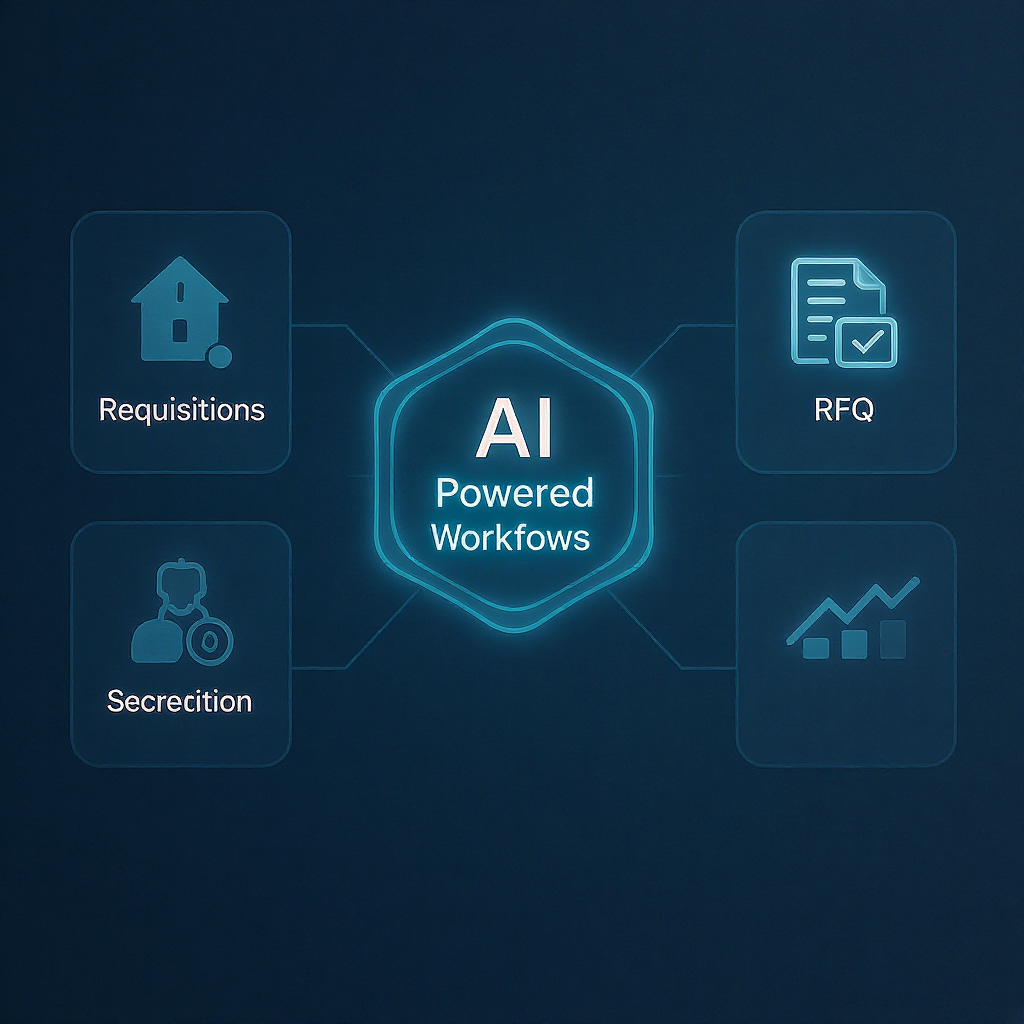
AI agents streamline procurement by automating repetitive tasks and enforcing structured workflows. Take JobNext’s procurement module as an example. Here’s how it works:
-
Material Requisition Automation: Site engineers raise MRs through a centralized system. AI agents flag incomplete requests (missing quantities, specs) before they even reach procurement.
-
RFQ Generation: The system auto-generates RFQs based on the MR, sends them to pre-approved vendors, and tracks responses in real time. No more chasing quotes.
-
Vendor Evaluation: AI agents analyze quotes against historical pricing, delivery reliability, and payment terms. They recommend the best vendor — not just based on cost but overall value.
-
Approval Chains: Multi-level approvals are enforced automatically. AI ensures no PO goes out without the required sign-off.
-
Delivery Tracking: Once the vendor delivers materials, AI agents match delivery notes against the PO. Discrepancies (like the missing 50 bags of cement) are flagged immediately.
-
Billing Validation: Vendor invoices are cross-checked against actual deliveries and approved POs. No mismatches, no overbilling.
Real-World Results: Cutting Costs and Errors
Here’s the impact. Contractors using AI-driven procurement tools report up to 25% faster RFQ-to-PO cycles. Error rates drop by 50% or more. And vendor performance improves because AI tracks delivery reliability over time — forcing vendors to stay competitive.
A case study we published on JobNext.ai highlights this transformation. One contractor moved from manual RFQs to structured AI workflows and reduced their procurement cycle from 10 days to 3. They also avoided $120,000 in overbilling errors on a single project.
Skepticism? Let’s Address It
You might be thinking: Won’t AI just add complexity? Isn’t it expensive? Fair questions. Here’s the reality:
-
Complexity: AI doesn’t replace your team. It supports them. The goal isn’t to automate everything — it’s to automate repetitive tasks so your team can focus on strategic decisions.
-
Cost: Yes, AI tools come with upfront investment. But the ROI is clear. Contractors report saving 5-10% on procurement costs annually. If you’re spending ₹10 crores a year on materials, that’s ₹50 lakhs saved.
Why Procurement Automation Matters for Construction
Construction projects are complex, but that’s no excuse for chaos. Procurement is a controllable variable — and it’s one where AI agents shine. By enforcing structured workflows, reducing errors, and improving vendor management, AI transforms procurement from a headache into a competitive advantage.
The bottom line is simple: if you’re still relying on spreadsheets and emails, you’re leaving money on the table.
For more insights on how AI is reshaping construction operations, check out our detailed roadmap on Construction Digital Transformation: A No-Nonsense Roadmap for Mid-Size Contractors.
Ready to see JobNext in action?
Multi-tenant SaaS ERP for construction, facilities management, and contracting — covering preconstruction, project execution, procurement, HR & payroll, equipment, finance, and 150+ analytics reports.
Get Started Free →Learn more at JobNext.ai