Why Cloud Computing is More Than Just Storage
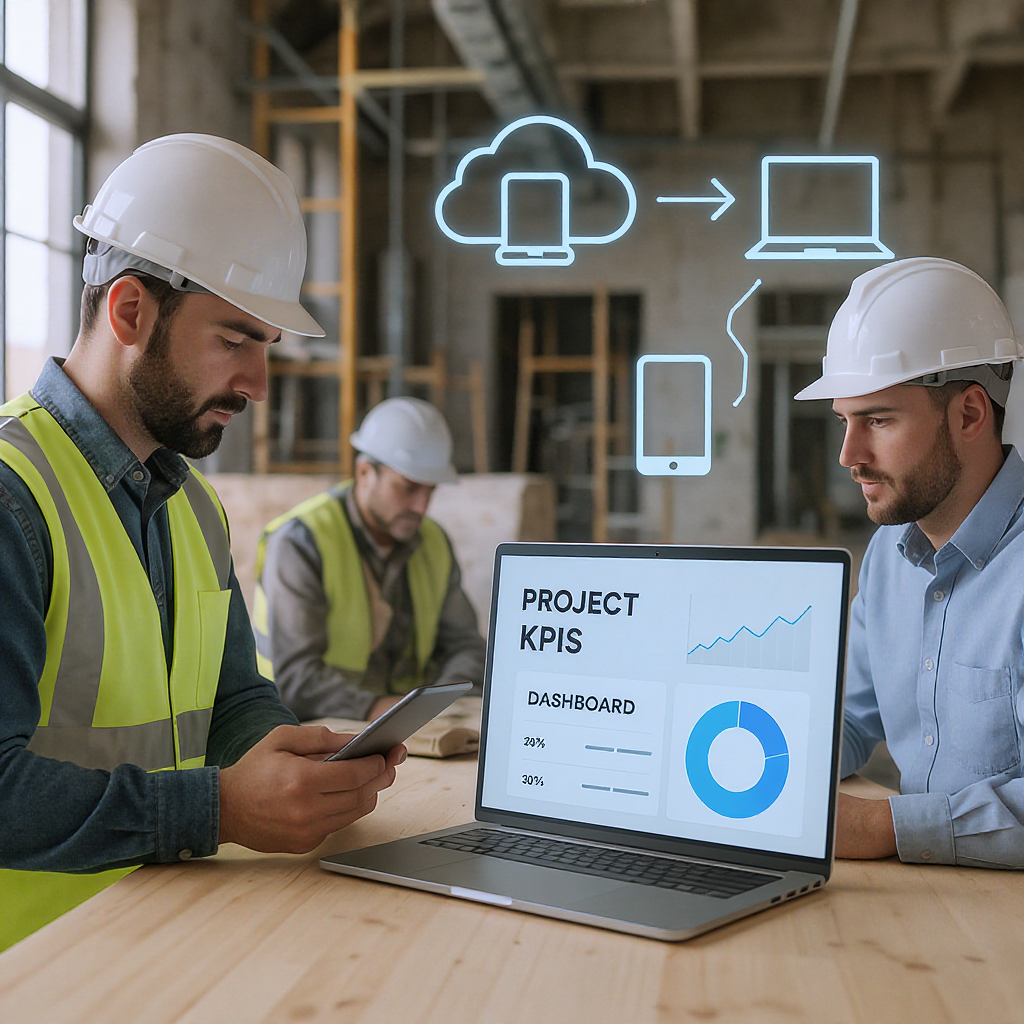
When people hear 'cloud computing,' they often think of file storage or maybe a virtual server. But for the construction industry, it's something much bigger. It's about running your entire operation — from tenders to payroll — on a system that anyone, anywhere, can access in real-time.
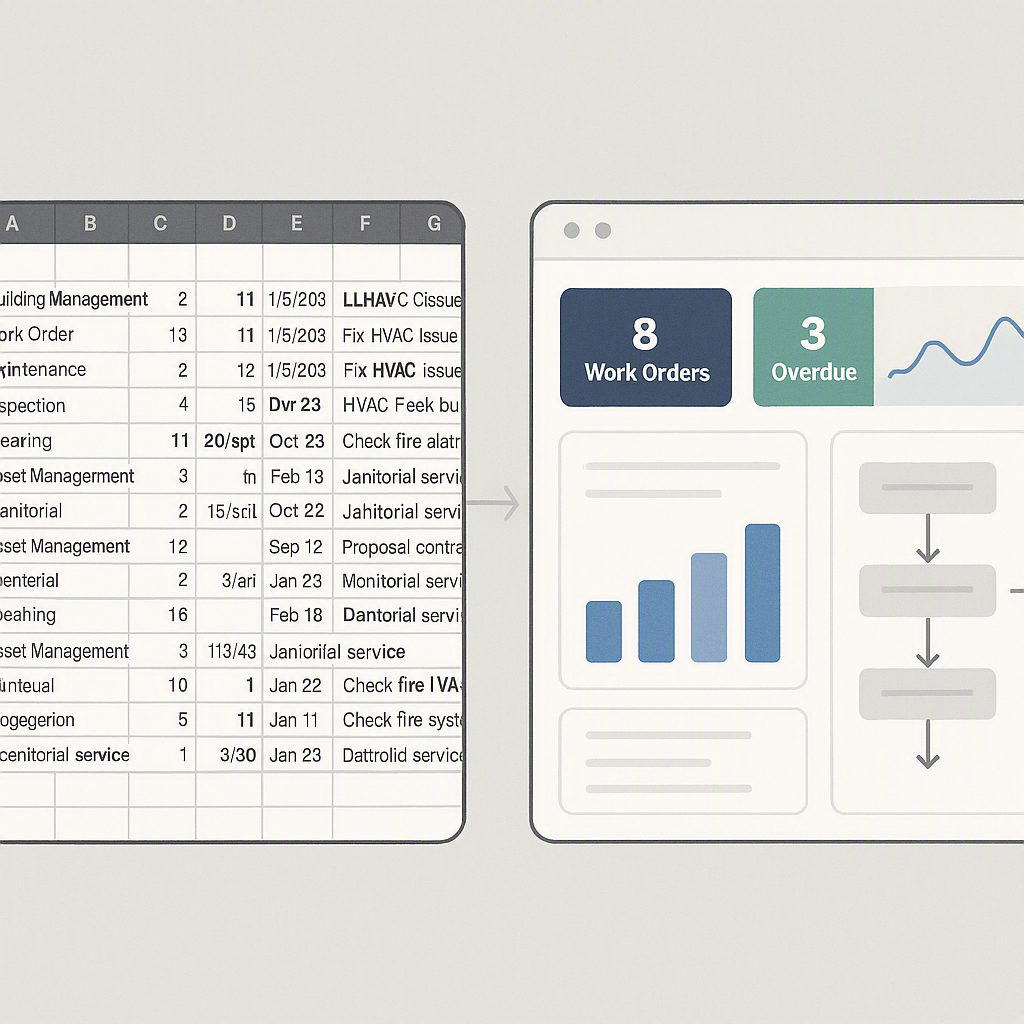
Why does this matter? Because the construction business moves fast. If you're still running critical processes on spreadsheets or disconnected legacy software, you're leaving money on the table. Missed bids, procurement delays, and inaccurate billing are just a few of the headaches that can cost you.
Take the example of procurement. Before cloud-based systems, a material request (MR) would go through a lengthy approval process — emails, phone calls, and often a lot of waiting. With cloud-based ERP solutions like JobNext, you can streamline this into a structured MR → RFQ → Vendor Offers → PO workflow that happens in real-time. Not only does this save time, but it also avoids the chaos of manual tracking.
The Recruitment Problem: Finding and Managing Talent Across Sites
Now, let’s talk about recruitment and workforce management. Construction isn't like a typical office job where everyone clocks in at the same place. You’ve got people spread across multiple sites, camps, and even countries. And it’s not just hiring that’s tricky. Keeping track of attendance, payroll compliance (PF, ESI, TDS in India; WPS in GCC), and leave across all these locations is a logistical nightmare.
This is where cloud computing steps in. By centralizing HR and payroll on a cloud platform, you get a single source of truth. Want to know who’s on-site and who’s on leave? Check your dashboard. Need to process payroll for 1,000 employees across five sites? Automate it.
In fact, a recent case study from JobNext showed how Al Nab'a Services, a 6,000-employee facilities management company in Oman, reduced their payroll cycle from 21 days to just a few hours after implementing a cloud-based ERP. That’s the kind of transformation we’re talking about.
Real-Time Insights: The Secret Weapon
Here’s the kicker: cloud systems don’t just make your existing processes faster. They give you insights you didn’t even know you needed. For example, real-time project profitability tracking.
Say you’re running five projects simultaneously. Without cloud-based tools, you might not realize Project B is bleeding money until it’s too late. JobNext’s profitability monitoring, updated in real-time against BOQs and scopes, lets you catch these issues early. No more surprises.
And it’s not just about cost control. Recruitment insights matter too. With the right analytics, you can identify which sites are consistently understaffed or where overtime costs are spiking. That’s actionable data you can use to make better decisions.
The Obvious Pushback: Is It Worth It?
You might be thinking, 'This sounds great, but isn’t cloud computing expensive?' It’s a fair question. But consider the alternatives. The cost of a delayed project, a compliance penalty, or a billing error can easily outweigh the subscription fees for a cloud ERP. Plus, modern SaaS platforms are scalable. Whether you're a 50-person contractor or managing 2,000 employees, you pay for what you need.
Conclusion: It’s Not Optional Anymore
Let’s face it — cloud adoption isn’t a 'nice-to-have' anymore. For contractors in competitive markets like India and the GCC, it’s becoming a baseline requirement. Clients expect it, and your competitors are already moving there. The good news? The tools are better than ever. Whether it’s handling complex procurement workflows, managing a distributed workforce, or monitoring project profitability, cloud computing has you covered.
If you’re interested in how to get started, check out Construction Digital Transformation: A No-Nonsense Roadmap for Mid-Size Contractors for practical tips. Because in the end, the question isn’t 'Should you adopt cloud computing?' It’s, 'How soon can you get started?'
Learn more at JobNext.ai