Why Accurate Bids Matter
Let’s start with the obvious: bidding too low can kill your project’s profitability, while bidding too high risks losing the job. Yet, many contractors still rely on guesswork when estimating margins. That’s a risky game in markets like India and GCC, where competition is fierce and construction costs fluctuate weekly.
Accurate bids are critical for maintaining profitability, sustaining your business, and building long-term trust with clients. A proper construction profit margin calculator isn’t just a nice-to-have; it’s a must-have. Done correctly, it ensures your bids are competitive and profitable while minimizing the risk of financial loss.
But how do you ensure your bids are accurate? Let’s break it down step by step.
Breaking Down the Construction Profit Margin Formula
The formula for calculating profit margin is simple:
Profit Margin (%) = (Revenue - Total Costs) ÷ Revenue × 100
Here’s what goes into each component:
| Component | Description |
|---|---|
| Revenue | The total amount quoted to the client. |
| Total Costs | Sum of direct costs (e.g., materials, labor, subcontractor fees) and indirect costs (overheads). |
| Profit Margin | The percentage of revenue left after covering costs. |
Step-by-Step Explanation
- Calculate Revenue: This is the quoted project price, including all BOQ items, planned profit margins, and applicable taxes.
- Determine Total Costs: Total costs include direct costs (materials, labor, subcontractor fees) and indirect costs (overheads such as insurance, equipment depreciation, utilities, and administrative expenses).
- Apply the Formula: Subtract total costs from revenue, divide by revenue, and multiply by 100 to get the profit margin percentage.
Common Mistake #1: Ignoring Indirect Costs
Direct costs like materials and labor are straightforward to track. But indirect costs are often overlooked, which can lead to underquoting. Examples of indirect costs include:
- Equipment Depreciation: Factoring in the wear and tear of machinery used over time.
- Insurance: Liability, workers’ compensation, and equipment insurance must be accounted for.
- Site Utilities: Expenses for electricity, water, and other utilities used during construction.
By ignoring these costs, contractors risk eroding their margins and even running at a loss. A good practice is to itemize all indirect expenses and allocate them to the project budget proportionately.
Common Mistake #2: Skipping BOQ Margin Analysis
Your Bill of Quantities (BOQ) is a goldmine for margin analysis. Each item in the BOQ contributes to your overall profitability. If certain items have negative margins, it’s a red flag for estimation errors or scope changes.
For example, if labor costs for a specific task exceed the quoted amount, you need to revise your estimate or renegotiate the contract. Regular BOQ margin analysis ensures you identify discrepancies early.
Using JobNext’s BOQ Margin Report for Better Estimates
Let’s unpack how a tool like JobNext can make your margin calculations smarter.
What Is the BOQ Margin Report?
The BOQ Margin report compares contracted values against costs for materials, labor, plant, subcontractors, and overheads. Negative-margin items highlight areas where actual costs exceed estimates—a clear sign you need to adjust your pricing or processes.
Workflow for Accurate Bids
Here’s a detailed workflow using JobNext’s Estimate-Based Quote feature:
Step 1: Build a Detailed Estimate
- Break Down Costs: Create a non-budget estimate with detailed breakdowns for materials, labor, plant, and subcontractor costs.
- Factor in Contingencies: Add a contingency fund to cover unexpected expenses such as price fluctuations or delays.
Step 2: Analyze Margins
- Use BOQ Margin Reports: Run the analysis to check profitability per item. Highlight items with negative margins for revision.
- Identify Trends: If certain tasks consistently show poor margins, investigate whether labor inefficiencies or supplier contracts are causing the issue.
Step 3: Adjust Rates
- Revise Estimates: Update your cost estimates for items where margins dip below acceptable thresholds.
- Benchmark Costs: Compare your rates against industry averages to ensure competitiveness.
Step 4: Finalize the Quote
- Add Profit Percentage: Once costs are finalized, apply your desired profit margin.
- Include Taxes: Ensure compliance with local tax regulations.
- Export and Submit: Generate the final quote and submit to the client.
Decision Framework: Spreadsheets vs. ERP Tools
| Feature | Spreadsheets | ERP Tools (e.g., JobNext) |
|---|---|---|
| Ease of Use | Requires manual setup | Intuitive interfaces, automated workflows |
| Real-Time Updates | Not supported | Tracks live changes in costs |
| Margin Analysis | Limited functionality | Detailed BOQ margin analysis |
| Error Reduction | Prone to human error | Automated calculations minimize mistakes |
| Scalability | Suitable for small projects | Ideal for large, multi-phase projects |
FAQs
Q1: How do I account for fluctuating material costs?
Fluctuating material costs can significantly impact your margins. Use tools that allow real-time updates to material costs. Platforms like JobNext enable you to input current rates directly into your BOQ, ensuring estimates reflect market conditions.
Q2: What’s the difference between markup and margin?
Markup is the percentage added to costs to determine the selling price. Margin, on the other hand, is the percentage of revenue left after covering costs. For example:
- Markup: If your costs are $100 and you apply a 30% markup, the selling price is $130.
- Margin: If your revenue is $130 and costs are $100, your margin is approximately 23%.
Understanding this difference is crucial to avoid underpricing or overpricing your bids.
Q3: Can I use JobNext for subcontractor cost tracking?
Yes, JobNext includes measurement-based progress tracking for subcontractors. This ensures accurate payment workflows tied to BOQ progress, reducing disputes and errors.
Q4: How often should I run BOQ Margin Reports?
Run BOQ Margin Reports weekly or bi-weekly during active projects. Regular analysis helps catch cost overruns early and ensures your margins stay intact.
Q5: What’s the best way to handle scope changes?
Document any scope changes immediately and update your BOQ. Communicate these changes with clients to renegotiate pricing if necessary. Tools like JobNext can help track scope changes and their impact on margins.
Common Mistakes to Avoid
Mistake #1: Overestimating Efficiency
Adjusting efficiency percentages (e.g., labor productivity) is fine, but don’t base bids on unrealistic assumptions. For instance, if labor efficiency is usually 90%, don’t quote based on 95%. Factor in historical performance and possible disruptions.
Mistake #2: Missing Scope Changes
Scope creep can quietly wipe out margins. For example, if additional tasks are added without proper documentation, your costs can spiral. Review BOQ Margin Reports weekly to catch discrepancies early.
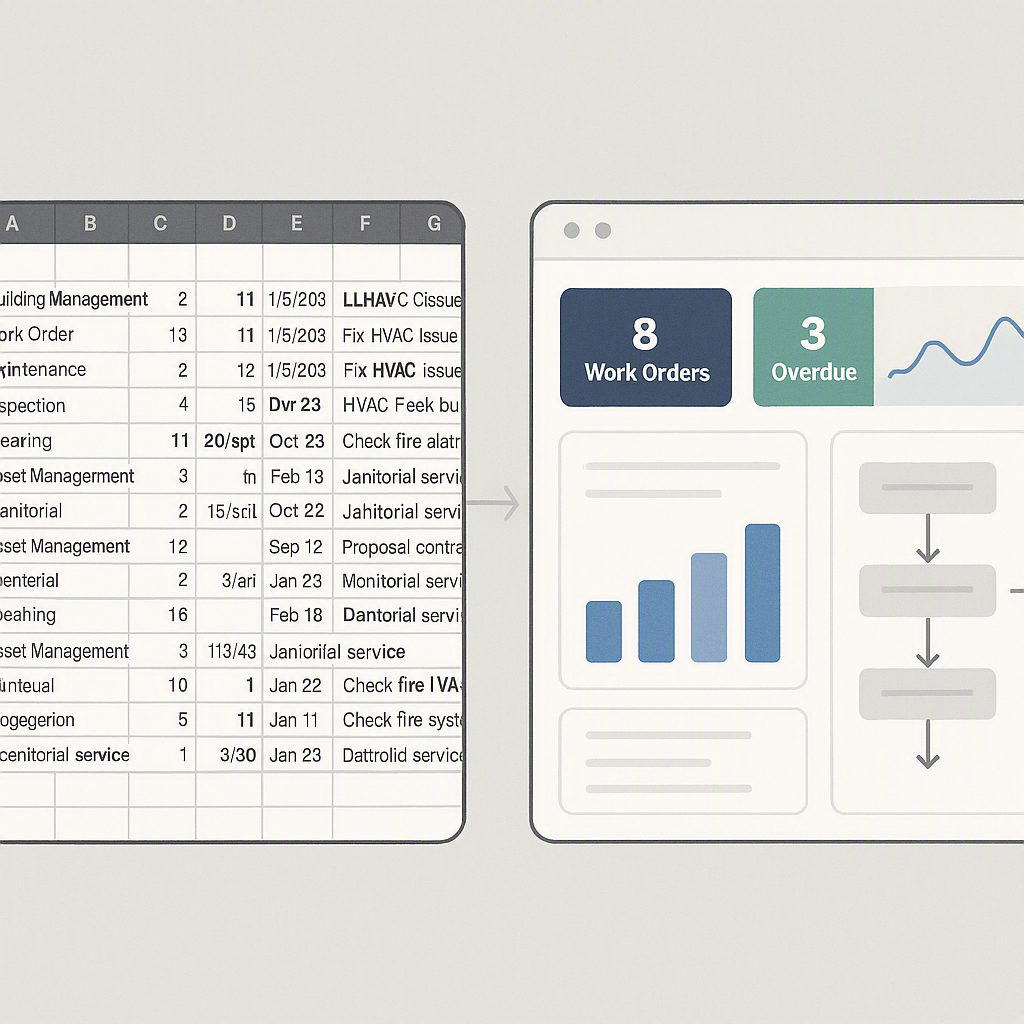
Mistake #3: Relying Solely on Spreadsheets
Excel is great for basic calculations but lacks real-time cost tracking. An ERP like JobNext integrates these calculations with live project data, reducing errors and improving accuracy.
Takeaways
Accurate margin calculations are the backbone of competitive, profitable bids. A construction profit margin calculator helps—but only if you know how to use it effectively. Tools like JobNext’s BOQ Margin report simplify the process, flagging cost overruns before they eat into your bottom line.
If you’re struggling with margin erosion or inaccurate bids, JobNext can help. Get started today and take control of your project profitability.
Learn more at JobNext.ai