Top Causes of Cost Overruns in Construction (And How Contractors Can Fix Them)
Cost overruns are the silent killers of contractor profitability. You bid aggressively to win the project, but somewhere along the way, margins erode. By the time the final invoice is issued, you're wondering where the money went. Sound familiar? You're not alone.
A 2023 McKinsey report found that 77% of construction projects globally exceed their budgets, with an average cost overrun of 16% of the project budget. For contractors in India and the GCC, the situation is particularly tough. Thin margins, volatile material prices, and unpredictable labor costs make it hard to stay on budget. But the root cause of budget overruns often boils down to one thing: bad estimating practices.
The Estimation Problem: Where It All Goes Wrong
Most construction projects start with a BOQ (bill of quantities) and an estimate. But here's the kicker: if the BOQ is inaccurate or the estimate is off, every financial decision downstream suffers. You end up underpricing the job, overcommitting resources, or scrambling to cover unexpected costs. It's a recipe for disaster.
Common Mistakes in Estimation
- Incomplete Scope Analysis: Missing key work items or underestimating quantities can lead to a cascade of unexpected costs. For instance, missing out on excavation depth adjustments for variable soil conditions can cost millions in large foundation projects.
- Inconsistent Rate Schedules: Using outdated or project-specific rates instead of standardized ones introduces variability. A contractor in Mumbai, for example, found they were charging ₹2,000 per cubic meter for concrete when market prices had surged to ₹2,400.
- Manual Errors: Data entry mistakes when calculating unit rates and totals often go unnoticed until invoices start piling in.
- Approval Delays: Estimates stuck in review limbo delay procurement and execution. This is particularly problematic for time-sensitive projects like metro rail or high-rise towers where delay penalties can be steep.
The Fix: Accurate Estimates as a Financial Control
The solution isn't rocket science—it’s discipline. Estimates need to be treated as official financial documents, not rough guesses. Here's how successful contractors do it:
1. Standardized Rate Schedules
Use pre-approved rates for materials, labor, and equipment across all projects. This avoids underpricing or overpricing key items. For example, JobNext’s CRM module enforces consistent pricing across BOQs, preventing margin erosion from arbitrary rates.
Consider adopting a rate library linked to market indices. For instance, the London-based contractor Laing O'Rourke updates their rate schedules quarterly based on data from the UK Office for National Statistics.
2. Approval Workflows
Every estimate should go through formal review and approval. JobNext’s estimate workflows ensure that budgets align with project scope before execution begins. This avoids situations like subcontractors starting work on verbal instructions, which often leads to disputes.
3. Real-Time Variance Tracking
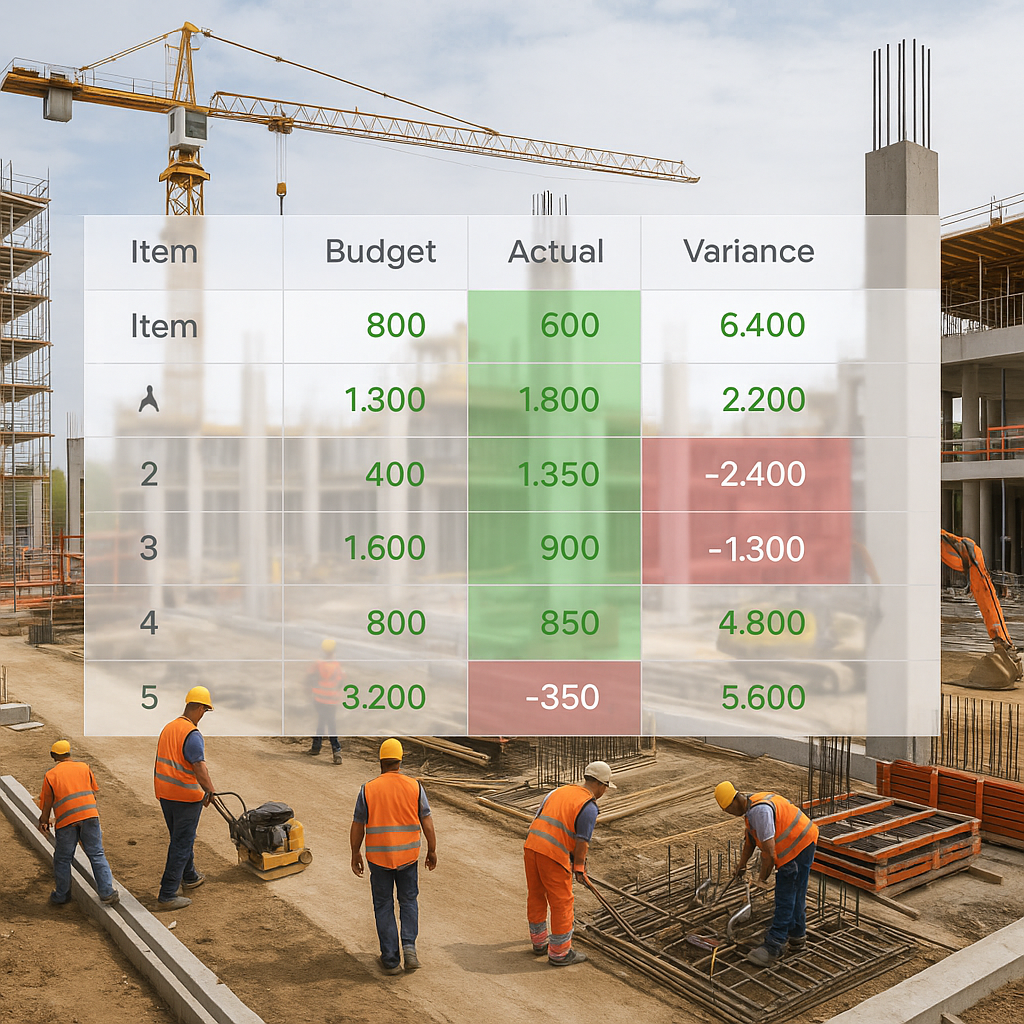
During execution, track spending against the original estimate. JobNext’s BOQ Rate Analysis compares quoted rates, billing rates, and actual cost rates, highlighting overspending before it spirals out of control.
Example of Success: ₹25 Lakh Saved
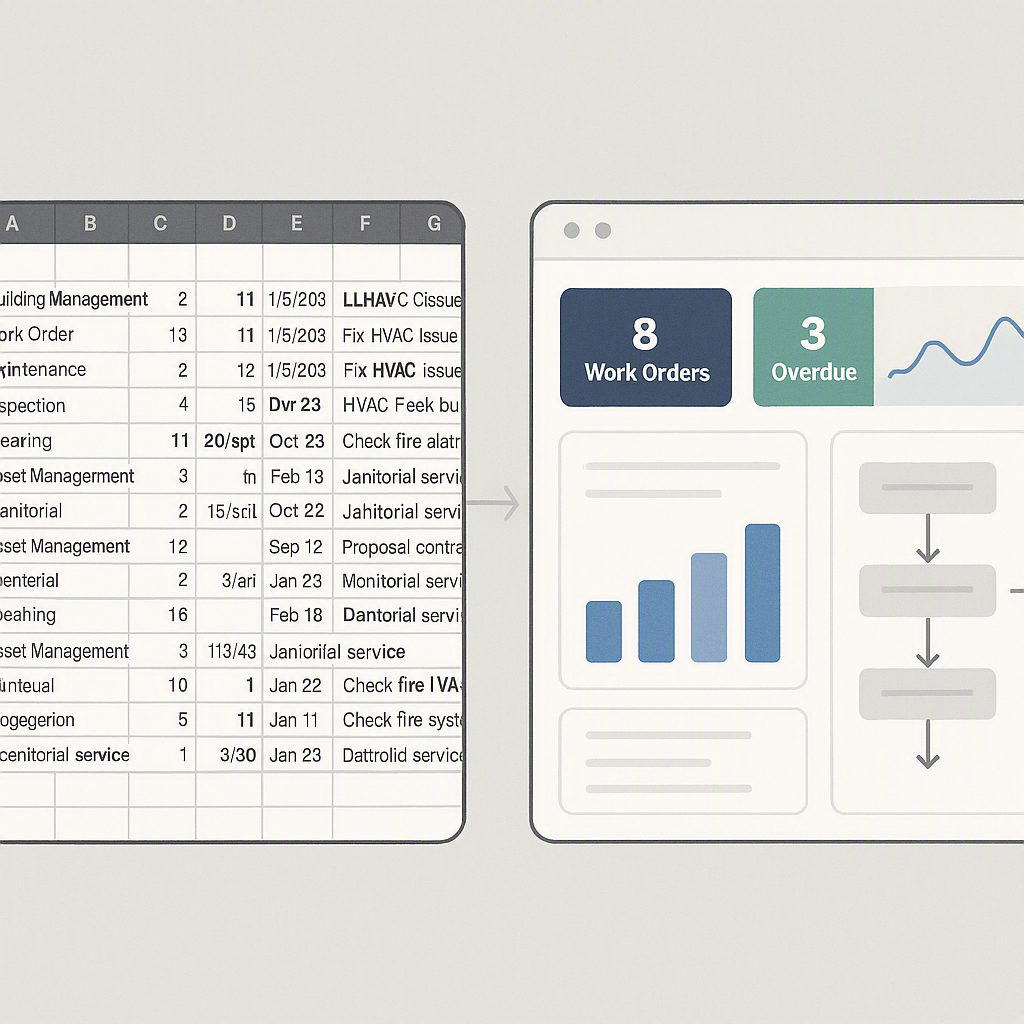
One contractor we worked with faced recurring budget overruns on their HVAC projects. Their estimates were created manually in spreadsheets, often missing key line items. By switching to JobNext, they standardized their rate schedules and implemented an approval workflow. The result? A ₹25 lakh reduction in cost overruns over six months. Early corrective actions on resource allocation were the game-changer.
Other Fixes for Preventing Cost Overruns
While accurate estimates are foundational, they’re not the only fix. Here are additional strategies:
1. Structured Procurement
Procurement chaos is one of the biggest contributors to cost overruns. Avoid unauthorized purchases by validating every material requisition against the approved budget. For instance, the Mumbai Metro project enforced a procurement workflow that tied every purchase order to its corresponding BOQ item, reducing material wastage by 18%.
2. Subcontractor Controls
Use work order amendments instead of cancellations to document scope changes properly. This prevents disputes and unexpected costs. For example, a Chennai-based contractor avoided ₹1 crore in penalties by formalizing subcontractor agreements for a high-rise project where design changes were frequent.
3. Rate Contracts
Lock material prices with vendors for recurring purchases. This shields you from market fluctuations and ensures predictable costs. A contractor in Dubai used rate contracts for steel procurement, saving 12% on material costs during a market upswing.
4. Monitoring Tools
Use dashboards to track budget vs. actuals across labor, materials, equipment, subcontractors, and overheads. JobNext’s Project Progress Report acts as a P&L proxy for early intervention. This is particularly useful for multi-site contractors who need a consolidated view of financial performance.
Decision Framework: How to Prioritize Cost Control Measures
| Factor | Priority Level | Action Required |
|---|---|---|
| Estimation Accuracy | High | Implement standardized rate libraries |
| Procurement Workflow | High | Validate purchases against approved budgets |
| Subcontractor Agreements | Medium | Use amendments to document scope changes |
| Contingency Budgets | Medium | Allocate 5-10% of the budget for reserves |
| Real-Time Monitoring | High | Use dashboards to track variances |
What About Edge Cases?
You might be thinking, “What happens when unexpected site conditions blow the budget?” Good question. Here’s the answer:
1. Revised Estimates
Create revisions instead of editing the original estimate. This tracks the financial impact of scope changes transparently. For example, a contractor working on an airport expansion in Bangalore issued revised estimates when unmarked underground utilities were discovered.
2. Contingency Budgets
Always include a contingency reserve in your estimate. 5-10% is typical for mid-size projects. Large-scale projects like dams or highways might need up to 15%.
3. Change Order Discipline
Document all changes formally, including cost implications. Use approval workflows to ensure changes don’t exceed the contingency.
FAQ: Common Questions About Cost Overruns
1. How much contingency should I include in my estimates?
5-10% is typical for mid-size projects. Large-scale projects might need up to 15%. Always assess project complexity and risk factors.
2. Can ERP systems really eliminate cost overruns?
Not entirely, but they can minimize them. Systems like JobNext enforce financial controls, streamline procurement, and highlight variances early, making overruns less likely.
3. What’s the biggest cost overrun cause for contractors in India and GCC?
Inconsistent rate schedules are a major culprit. Standardization is key to avoiding pricing errors.
4. What’s the best way to track budget vs actuals?
Use dashboards that summarize variances across all resource factors (labor, material, equipment, subcontractors, overheads). Dashboards provide real-time insights for quick decision-making.
5. How can I manage subcontractor disputes over scope changes?
Document changes through formal work order amendments and ensure both parties sign off. This maintains transparency and reduces disputes.
Call to Action
If cost overruns are bleeding your margins, JobNext can help. From accurate estimates to real-time monitoring, it’s built for contractors who need financial control. Get started free →
Learn more at JobNext.ai