The ₹25 Lakh Problem Contractors Ignore
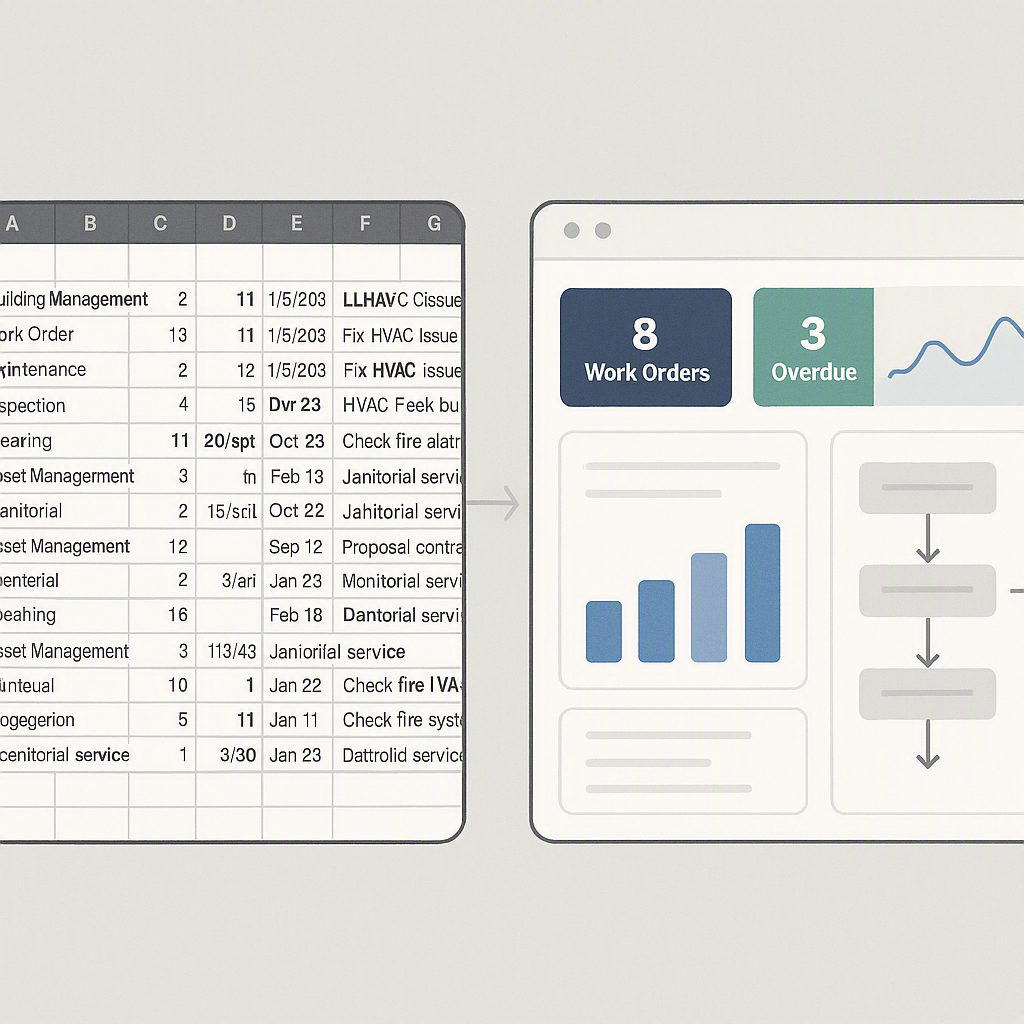
Procurement chaos isn’t just a headache—it’s a margin killer. For small to mid-sized contractors, manual processes like chasing vendor quotes, tracking material requisitions (MRs) on spreadsheets, and juggling approvals can cost upwards of ₹25 lakh annually. Sound exaggerated? It’s not. A 2023 McKinsey report found that inefficient procurement eats 3-5% of project budgets globally, and the construction sector is one of the worst offenders.
Why Procurement Breaks Down
Manual procurement systems fail for three reasons:
-
No Visibility: When MRs sit in limbo for days or weeks, project teams lose track of what’s approved, pending, or rejected. Materials arrive late—or not at all. Meanwhile, on-site crews are idle, and deadlines slip.
Example: A mid-size infrastructure contractor in Pune shared that over 60% of their MRs were delayed by at least five days due to lack of a centralized system. This led to idle machinery costs of ₹3 lakh per month.
-
Approval Bottlenecks: Without structured workflows, approvals get stuck in email chains or WhatsApp messages. Urgent purchases bypass proper authorization, leading to uncontrolled spending.
Data Point: According to a survey by Deloitte in 2022, 72% of contractors reported that unstructured approval workflows led to unauthorized purchases, inflating procurement costs by 8-10% annually.
-
Vendor Confusion: Sending RFQs manually to multiple vendors often results in inconsistent pricing, missed deadlines, and endless back-and-forth over terms.
Case Study: A Bengaluru-based MEP contractor lost ₹7 lakh on a single project when a manually sent RFQ resulted in incorrect quantities and pricing discrepancies with vendors. The entire process had to be redone, delaying the project by three weeks.
These issues compound quickly. A delayed PO might hold up site work for weeks, causing project overruns and client dissatisfaction. Worse, without a central system, contractors often over-order materials to avoid delays—leading to inventory pile-ups and wasted cash flow.
The Fix: Structured Procurement Workflows
This is where ERP systems purpose-built for contractors, like JobNext, shine. With a structured MR → RFQ → Vendor Offers → PO approval chain, these systems offer clarity and control. Here’s how it works:
-
Material Requisition (MR): Site teams raise MRs directly in the system, tagging the job and required BOQ items. This ensures every request is tied to an active project scope.
Actionable Tip: Ensure your team is trained to accurately link MRs to specific cost codes or BOQ items. This eliminates guesswork during audits.
-
RFQ Circulation: The system sends RFQs to pre-qualified vendors automatically, with standard terms and deadlines. No more chasing vendors manually.
Comparison: Manual RFQs often take 1-2 days to circulate, while automated systems can complete the process in under 30 minutes.
-
Vendor Offers: All incoming offers are logged centrally, with side-by-side comparisons of rates, lead times, and terms.
Example: A Chennai-based contractor reduced vendor negotiation times by 50% by using JobNext’s centralized offer comparison feature.
-
PO Issuance: Once an offer is approved, the system generates a PO with all required details—quantity, price, delivery schedule—while enforcing pre-set approval chains.
Pro Tip: Standardizing POs with detailed clauses reduces disputes with vendors and ensures timely deliveries.
-
Delivery Tracking: The system tracks goods received against the PO, flagging discrepancies instantly.
Case Study: A Noida-based real estate contractor avoided a ₹2 lakh loss when their ERP flagged a delivery shortfall of steel bars before payment was released.
Contractors using JobNext report cutting procurement cycle times by 40% and reducing PO errors to near-zero. One mid-size MEP contractor in Bengaluru slashed material delays by 11 days after switching to structured workflows.
Real ROI: Beyond Cost Savings
Structured procurement isn’t just about saving ₹25 lakh. It improves cash flow, reduces idle labor costs, and strengthens vendor relationships. Vendors are more likely to prioritize businesses that provide clear POs and pay on time—something an ERP system ensures by linking procurement directly to accounts payable.
Data Point: A 2021 PwC study found that contractors with automated procurement systems experienced a 15% improvement in vendor satisfaction, leading to better pricing and faster delivery times.
Why Most Contractors Avoid ERP (And Why That’s a Mistake)
You might be thinking, “ERP sounds great, but it’s too expensive or complex for my business.” That’s a common objection. But here’s the reality: modern SaaS ERPs like JobNext are designed for small to mid-sized contractors. They’re cloud-based, subscription-priced, and easy to implement without a full IT team. The long-term savings far outweigh the upfront costs.
Common Misconceptions About ERPs:
-
“It’s Too Expensive”: Modern ERP systems charge on a subscription model, often starting as low as ₹10,000 per month. Compare this to the ₹25 lakh you could be losing to manual inefficiencies annually.
-
“It’s Too Complex”: SaaS ERPs are designed for usability, with minimal training required. Many offer drag-and-drop dashboards and mobile apps for on-the-go access.
-
“We Don’t Have Time to Implement It”: Most implementations take less than a month, especially if you start with a single module like procurement.
Real-Life Example:
A general contractor in Oman began with procurement workflows and later added HR and equipment management after proving ROI in the first six months. They reported an 18% improvement in project timelines within the first year.
Still Skeptical? Start Small
If committing to a full ERP feels intimidating, begin with a single pain point. Track how much time and money you’re losing to manual procurement this month. Then compare it to the cost of automating that process. Chances are, the math will be brutal.
Small Steps to Get Started:
- Identify your most time-consuming procurement bottleneck (e.g., manual RFQs or delayed approvals).
- Test an ERP’s procurement module for one project. Many providers offer free trials or demo periods.
- Measure the results: How much faster were your approvals? Did vendor negotiations improve?
Comparison Table: Manual Procurement vs. ERP-Based Procurement
| Feature | Manual Procurement | ERP-Based Procurement |
|---|---|---|
| MR Creation | Spreadsheets, prone to errors | Centralized system, tied to BOQ |
| RFQ Circulation | Emails/WhatsApp, time-intensive | Automated, pre-qualified vendor list |
| Vendor Offer Analysis | Manual, difficult to compare | Side-by-side comparison |
| PO Issuance | Manual, lacks standardization | Auto-generated with approval workflows |
| Delivery Tracking | Manual, relies on human follow-ups | Automated alerts for discrepancies |
FAQ: Common Questions About Procurement Automation
1. How long does it take to implement an ERP system?
Most modern SaaS ERPs can be implemented in under 30 days. Providers often assist with data migration and training, minimizing downtime.
2. What’s the upfront cost of an ERP?
Most ERPs operate on a subscription model, starting at ₹10,000–₹25,000 per month. Some providers offer trials to help you assess ROI.
3. How do I ensure my team adopts the system?
Start with a single module, like procurement, and involve all stakeholders during training. Highlight how it reduces their workload and improves project outcomes.
4. What if my vendors don’t use technology?
Most ERPs allow vendors to interact via email or simple web portals. They don’t need to install complex systems to work with you.
5. Can ERP systems integrate with my accounting software?
Yes, most modern ERPs integrate seamlessly with popular accounting platforms like Tally, QuickBooks, or Zoho Books.
Ready to Stop the Chaos?
If manual procurement is bleeding your margins, structured workflows in tools like JobNext are the answer. Start small, see results, and scale up. Get started free →
Learn more at JobNext.ai