Why Preventive Maintenance Bleeds Contractor Margins
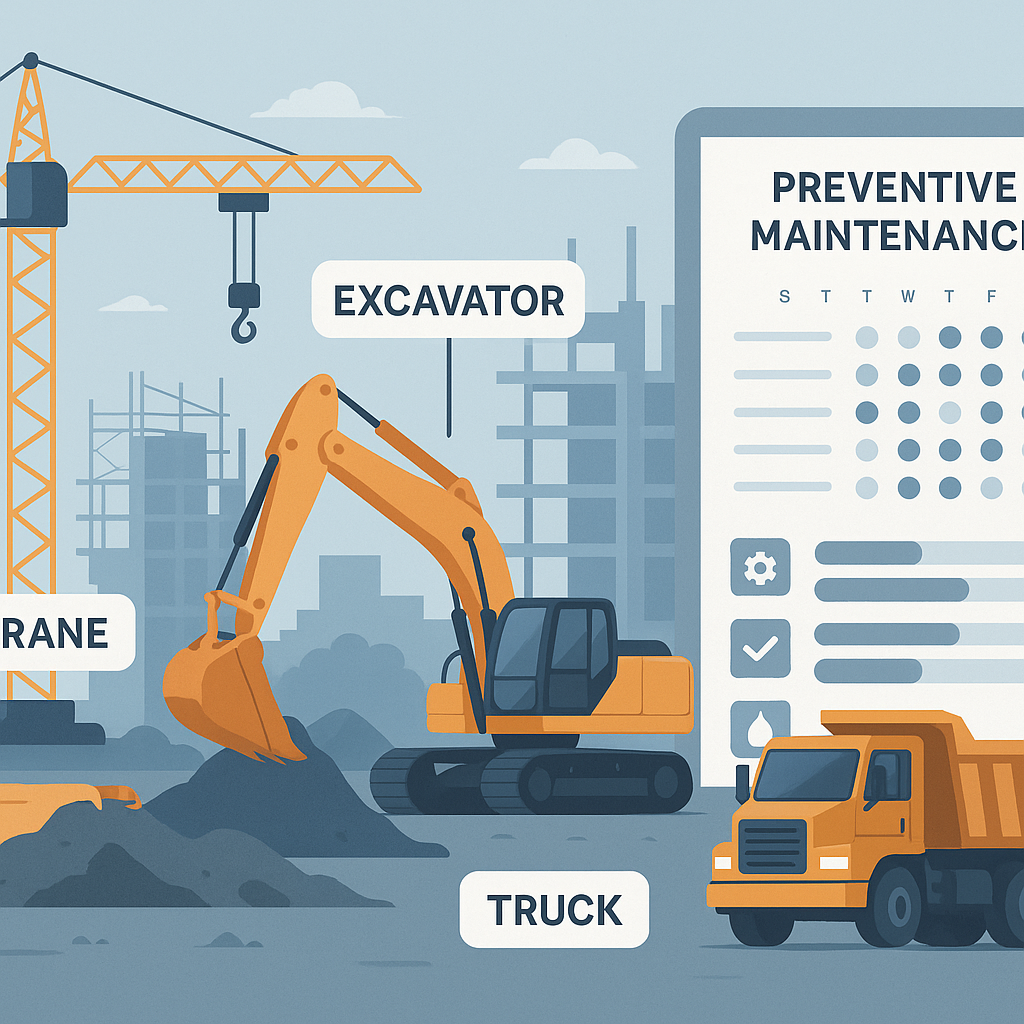
Let’s start with a simple truth: contractors in India and GCC lose ₹25 lakh or more annually because they don’t have a proper preventive maintenance (PPM) schedule. Equipment downtime, costly emergency repairs, and missed compliance deadlines are the usual suspects. But here’s the kicker—most of these losses are avoidable.
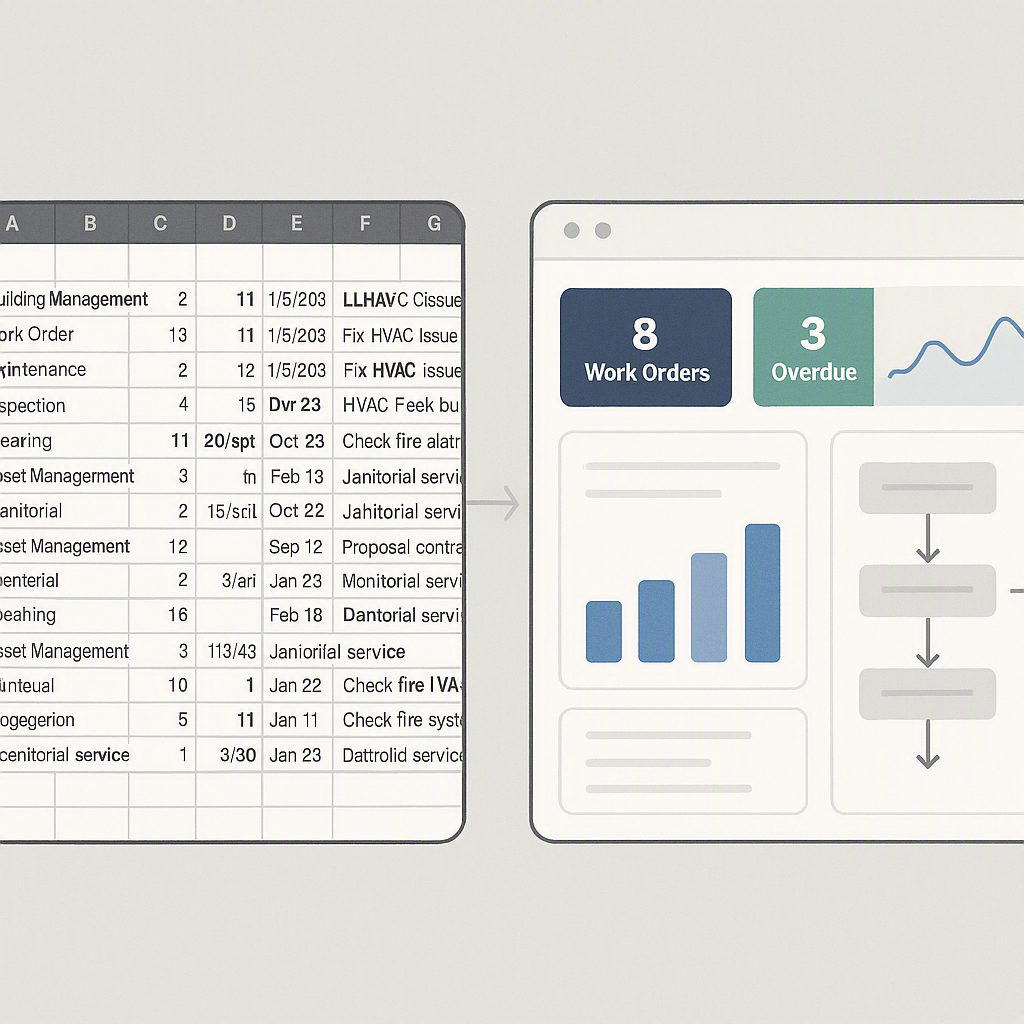
The problem isn’t that contractors don’t care about maintenance. They do. The issue is how they manage it. Relying on Excel sheets, scattered WhatsApp messages, or even memory isn’t just inefficient—it’s dangerous. Missed service for a key excavator on a ₹30 crore project? That delay can ripple through schedules, subcontractor payments, and even client penalties.
So, what’s the fix? A PPM schedule template that actually works—one that’s not just a list of dates but a system for tracking, allocating, and enforcing maintenance tasks.
The Core of a Good PPM Schedule Template
A functional PPM schedule template isn’t rocket science, but it does need structure. Here’s what it should cover:
| Component | Why It’s Critical |
|---|---|
| Asset Inventory | Know what you’re maintaining (machines, vehicles, tools) and where they’re located. |
| Service Intervals | Define maintenance frequency—hours logged, kilometers run, or calendar-based. |
| Task Checklists | Standardize what needs to be done (e.g., oil changes, filter replacements). |
| Priority Levels | Flag critical tasks to avoid cascading project delays. |
| Assigned Responsibility | Hold people accountable by assigning tasks to specific teams or individuals. |
| Documentation | Track completed tasks, costs, and next service due dates. |
Case Study: Structured PPM in Oman
A contractor we worked with in Oman implemented this exact structure and cut emergency repairs by 40% within six months. For example, they centralized their asset inventory across six sites using JobNext, set service intervals based on each machine’s workload, and assigned task checklists to site supervisors. The result? Downtime dropped, and project delivery timelines became more reliable.
Why Integration Is Non-Negotiable
Here’s the part most contractors miss: your PPM schedule can’t live in isolation. It’s got to be tied to your broader project and asset management systems. Otherwise, you’re just moving the chaos from WhatsApp to Excel.
Real-World Example: Mid-Size Contractor in Saudi Arabia
One of JobNext’s clients—a mid-size contractor in Saudi Arabia—used its plant and machinery lifecycle module to automate their PPM systems. Key features included:
- Asset Inventory: A centralized register of all equipment across sites.
- Service Alerts: Automatic reminders based on usage logs or time intervals.
- Task Assignment: Maintenance tasks directly assigned to workshop staff.
- Cost Tracking: Maintenance expenses logged and allocated to specific projects.
The outcome? Equipment downtime reduced by 22%, saving over ₹18 lakh in just one year.
Why Automation Matters
Without integration and automation, tracking maintenance becomes a logistical nightmare. For instance, imagine keeping tabs on 50 assets spread across five sites using manual methods. You’re bound to miss service deadlines, leading to emergency repairs that could have been prevented. Tools like JobNext eliminate this risk by centralizing and automating maintenance workflows.
Building Your PPM Schedule Template in 5 Steps
Step 1: Audit Your Equipment
Start by listing every piece of equipment you own or lease. Include details like make, model, location, and current condition. If you’re using JobNext, this step is a breeze since the system already maintains an updated asset inventory.
Example: A contractor in Bengaluru with 30 assets used JobNext to consolidate their inventory. Once they had clear visibility into their equipment, they realized three excavators were overdue for maintenance by months, potentially saving them lakhs in repair costs.
Step 2: Set Service Intervals
Consult manufacturer recommendations and adapt for your usage patterns. For instance, a backhoe used daily on multiple shifts might need oil changes every 500 hours instead of the standard 1,000.
Actionable Tip: Use historical data to refine intervals. If your bulldozer consistently breaks down after 700 hours of operation, adjust the service interval accordingly.
Step 3: Standardize Checklists
Create checklists for common maintenance tasks. Don’t overcomplicate this—focus on tasks that prevent the most common failures. JobNext’s maintenance module comes with pre-built templates for tasks like oil changes, filter cleaning, and tire inspections.
Example: A contractor in Dubai reduced engine failures by 30% simply by standardizing and enforcing checklists for daily oil level checks.
Step 4: Assign Responsibilities
Decide who’s responsible for what. Site managers? Workshop technicians? Subcontractors? Make it crystal clear.
Comparison:
| Responsibility Model | Outcome |
|---|---|
| Centralized (Workshop Team) | Faster response times but higher management load |
| Decentralized (Site Manager) | More accountability but risk of inconsistency |
Step 5: Track and Monitor
Finally—and this is the step most people skip—track everything. Record what was done, when, and at what cost. Use this data to refine your schedule over time.
Pro Tip: Use software like JobNext to generate reports that highlight trends in maintenance costs and recurring issues.
How Much Can You Really Save?
Let’s do the math. Say you’re a mid-size contractor with 25 key assets (excavators, cranes, trucks, etc.). Emergency repairs cost an average of ₹1.5 lakh per incident, and you’re dealing with 15 such incidents annually. That’s ₹22.5 lakh gone.
Now, let’s assume a structured PPM schedule reduces these incidents by 50%. You’re saving ₹11.25 lakh right there. Add in the productivity gains from fewer delays, and you’re easily crossing ₹25 lakh in annual savings.
Example: Annual Savings Breakdown
| Category | Before PPM | After PPM | Savings |
|---|---|---|---|
| Emergency Repairs | ₹22.5 lakh | ₹11.25 lakh | ₹11.25 lakh |
| Productivity Loss (Delays) | ₹10 lakh | ₹5 lakh | ₹5 lakh |
| Penalties | ₹5 lakh | ₹2 lakh | ₹3 lakh |
| Total Annual Savings | — | — | ₹25.25 lakh |
FAQs
1. What’s the difference between preventive and reactive maintenance?
Preventive maintenance is planned and scheduled to avoid equipment failure. Reactive maintenance, on the other hand, is fixing things after they’ve already broken. Think of preventive maintenance as regular health checkups, while reactive maintenance is like rushing to the ER.
2. How often should I update my PPM schedule?
Review it monthly to ensure tasks are on track and adjust for any new equipment or changing usage patterns. For high-usage assets, weekly reviews may be necessary.
3. Can small contractors benefit from a PPM schedule?
Absolutely. Even with just 5-10 machines, structured maintenance reduces downtime, improves lifespan, and saves money. One small contractor we worked with reduced breakdown costs by ₹8 lakh annually using JobNext.
4. Do I need software for this?
Technically, no. But in practice, managing PPM manually becomes a nightmare as you scale. Tools like JobNext simplify the process and ensure you don’t miss critical tasks.
5. What’s the ROI on implementing a PPM system?
Most contractors see ROI within 6-12 months through reduced repair costs and downtime. For example, a Mumbai-based firm recovered their software investment in just four months.
Ready to Fix Maintenance Chaos?
If you’re tired of bleeding money to emergency repairs and equipment downtime, it’s time to get serious about preventive maintenance. JobNext’s plant and machinery management module is built for contractors like you. Get started today →
Learn more at JobNext.ai