The Hidden Cost of Underbilling in Construction
Most contractors deal with underbilling at some point during their projects. It’s not just an accounting headache—it’s a margin killer that can cripple your business if left unchecked. Imagine this: your project is 70% complete, but your books show revenue for only 40%. That shortfall? It’s bleeding your cash flow and putting your profitability at risk.
Why does this happen? Common culprits include missed measurement approvals, inconsistent billing cycles, and disconnected systems that fail to align revenue recognition with actual project progress. A 2023 McKinsey report found that mid-market contractors lose an average of ₹50 lakh annually due to these inefficiencies. For companies managing multiple concurrent projects, the impact multiplies, resulting in millions of rupees in lost revenue.
This article dives deep into the causes, solutions, and actionable steps you can take to prevent underbilling in your projects.
Why Underbilling Happens
Underbilling typically stems from poor operational workflows and lack of real-time project tracking. Here are some primary reasons contractors face this issue:
-
Missed Measurement Approvals: Measurements of work completed often require approval from multiple stakeholders, such as the client, project manager, and subcontractors. When these approvals are delayed, revenue recognition is delayed too.
Example: A road construction company in Maharashtra delayed measurement approvals by weeks due to lack of coordination between site engineers and accounting teams. This caused ₹10 lakh in underbilling for a single project, forcing the contractor to borrow funds to cover cash flow gaps.
-
Inconsistent Billing Cycles: Billing cycles that vary from one project to another introduce inconsistencies in revenue recognition. If you’re billing monthly for one client but quarterly for another, your cash flow becomes unpredictable.
-
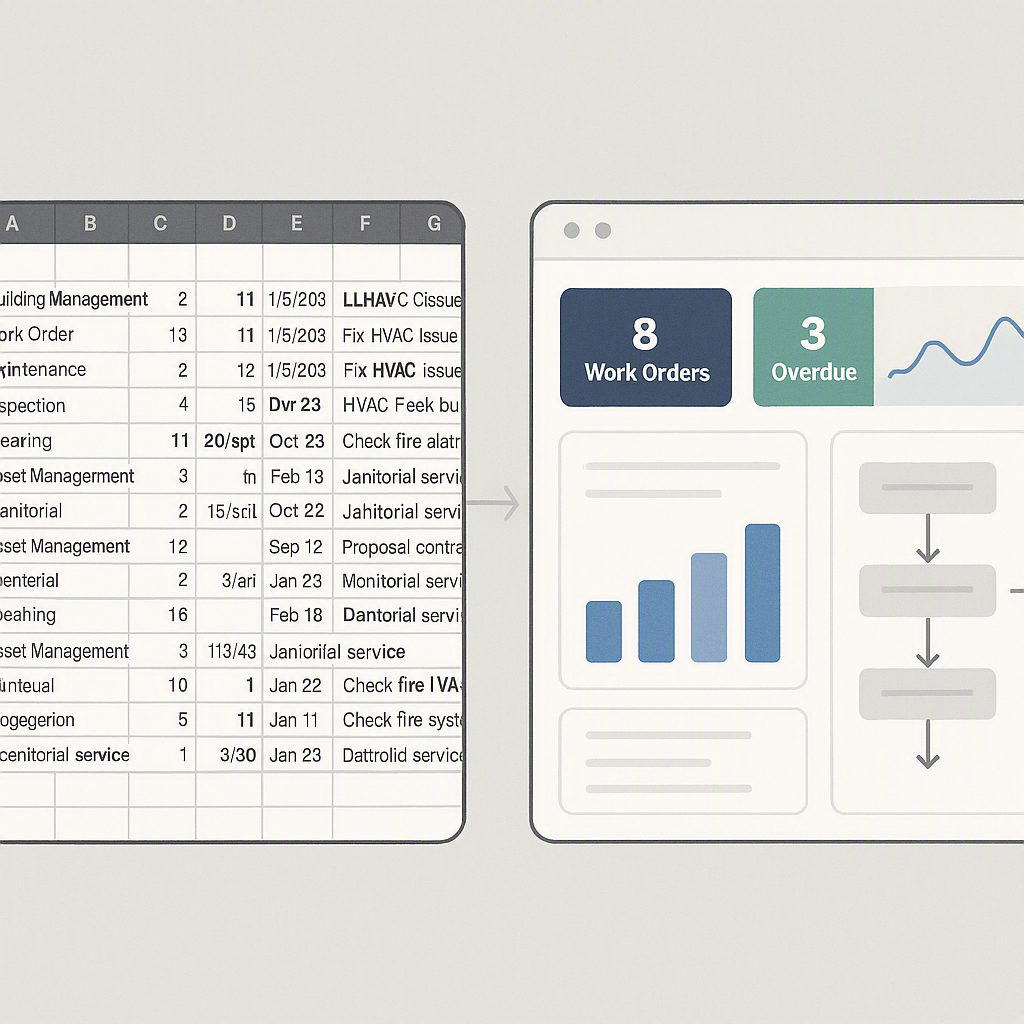
Disconnected Systems: Many teams rely on spreadsheets or outdated accounting software that don’t integrate with project tracking systems. This leads to manual errors, mismatched data, and delayed billing.
Data Point: According to a 2023 Construction Technology Survey, 74% of contractors still use manual spreadsheets for project tracking, and 56% admit to experiencing revenue leakage due to disconnected systems.
The Role of WIP Reporting
Work-in-progress (WIP) reporting is often touted as the solution to underbilling, but few contractors implement it effectively. Accurate WIP reports allow you to track project progress in real time, including revenue earned, costs incurred, and profitability updated daily. However, achieving this requires structured workflows and reliable systems.
What Effective WIP Reporting Looks Like
Effective WIP reporting aligns revenue recognition with project milestones. For example, if your project is 70% complete, your books should reflect 70% of the revenue earned. This prevents cash flow gaps and ensures profitability remains intact.
Actionable Steps:
-
Standardize Measurement Recording:
- Enforce weekly measurement recording for all projects.
- Use tools like JobNext to automate measurement approvals and ensure real-time updates.
-
Integrate WIP Reporting with Project Tracking:
- Link your WIP reports to project tracking software to ensure data consistency.
- Use JobNext’s BOQ Margin report to identify items where costs exceed estimates, enabling proactive cost control.
-
Schedule Regular Billing Cycles:
- Set fixed billing dates across all projects (e.g., 5th of every month).
Case Study: Structured WIP Reporting in Action
One mid-size EPC firm in Gujarat was losing ₹25 lakh annually due to delayed subcontractor measurements. Their billing wasn’t aligned with project milestones, causing revenue to lag behind costs. After implementing structured WIP reporting and RA billing workflows in JobNext, measurements were recorded weekly, and bills were generated by the 5th of every month. Revenue leakage stopped almost immediately, improving their annual margins by 8%.
A Practical Fix: Structured RA Billing
RA bills (Running Account Bills) are incremental invoices that capture work completed during specific periods. They align revenue recognition with project progress, ensuring no underbilling occurs.
How RA Billing Works
RA billing involves three key components:
-
Measurement Recording: Measurements for completed work are recorded weekly.
-
Approval Chains: Approvals are automated, ensuring no delays in revenue recognition.
-
Voucher Generation: Bills are generated based on approved measurements.
Example:
A contractor working on a ₹5 crore factory project implemented RA billing. Each measurement approval automatically updated receivables and payment aging. This streamlined their cash flow and eliminated revenue leakage.
Tools for RA Billing
JobNext’s RA Billing system integrates seamlessly with subcontractor management to:
- Reconcile material usage.
- Track recoveries.
- Enforce budget controls.
Their detailed measurement sheets and running bill abstracts make audits painless, saving both time and money.
Why Most Contractors Miss This
Despite the obvious benefits of structured WIP reporting and RA billing, many contractors fail to implement them effectively. Why? The primary reasons include:
-
Lack of Standardized Workflows: Measurements are recorded late, approvals get stuck, and billing cycles vary by project.
-
Overreliance on Manual Processes: Manual workflows are prone to errors and delays.
-
Resistance to Technology Adoption: Teams often resist switching from spreadsheets to integrated systems due to perceived complexity.
Proactive Solutions
-
Automate Measurement Approvals: Use a tool like JobNext that enforces approval chains and ensures consistency.
-
Train Your Team: Conduct workshops on WIP reporting and RA billing workflows.
-
Monitor Key Metrics: Regularly track margin erosion, payment aging, and revenue recognition.
Why It Matters Now
Construction margins are tighter than ever, especially in markets like India and the GCC. Rising material costs, labor shortages, and increased competition leave little room for error. Underbilling only exacerbates these challenges by reducing available cash flow and eroding profitability.
Data Point:
A 2024 Reuters analysis highlighted that contractors in India and the GCC face a 12% year-on-year increase in material costs. Combined with labor shortages, this leaves most firms operating on razor-thin margins.
Structured WIP reporting isn’t optional anymore. It’s the difference between surviving and thriving in today’s competitive landscape. If you’re still relying on spreadsheets, you’re playing catch-up while your competitors lock in their margins.
FAQ
Q: What’s the biggest challenge in WIP reporting? A: Consistency. Without standardized workflows, measurements and billing often lag behind project progress, leading to revenue leakage.
Q: How does RA billing prevent underbilling? A: RA bills align revenue recognition with project progress. Each approved measurement updates receivables and ensures no missed billing.
Q: Can WIP reporting improve subcontractor management? A: Yes. Systems like JobNext integrate subcontractor tracking with WIP reporting, reconciling material usage, recoveries, and payments for complete transparency.
Q: How do I start implementing structured WIP reporting? A: Enforce weekly measurement recording and approval chains. Use a tool like JobNext to automate workflows and reporting.
Q: What are the risks of manual WIP reporting? A: Manual processes lead to missed revenue recognition, margin erosion, and inaccurate project tracking, which can derail profitability.
Comparison Table: Manual vs Automated WIP Reporting
| Feature | Manual WIP Reporting | Automated WIP Reporting (e.g., JobNext) |
|---|---|---|
| Measurement Recording | Delayed and prone to errors | Real-time and accurate |
| Approval Chains | Stuck in email threads | Automated and streamlined |
| Billing Cycles | Inconsistent | Standardized across projects |
| Data Integration | Disconnected systems | Seamless integration with project tracking |
| Risk of Revenue Leakage | High | Low |
Call to Action
If underbilling is costing your construction business margins, it’s time to act. Tools like JobNext can help you implement structured WIP reporting and fix revenue leaks. Don’t let inefficiencies drain your profits—start automating your workflows today. Get started free →
Learn more at JobNext.ai