Contractors Are Bleeding Revenue — Here's Why
If you're running a construction business, you know the struggle: revenue leakage. Missed invoices, incorrect billing methods, or forgotten scope items. These issues don’t just hurt your margins — over time, they can cripple your cash flow and put your business at risk.
A 2023 McKinsey report noted that inefficiencies in billing processes cost mid-sized contractors as much as 5% of their annual revenue. To put that into perspective, that’s ₹50 lakh lost for a company with ₹10 crore in annual turnover. Brutal, right?
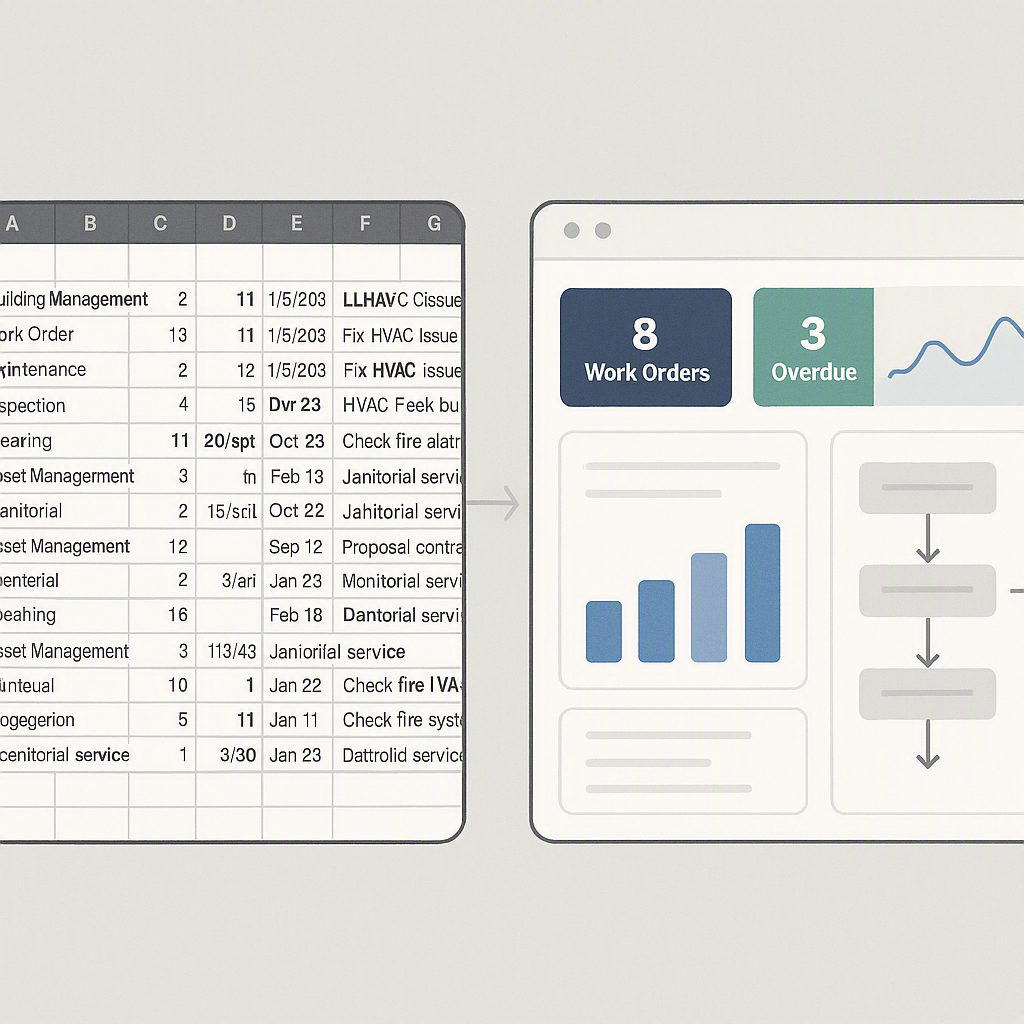
So, what's causing this? For many contractors, it’s a mix of disconnected systems and manual workflows. One team uses Excel for tracking BOQs, another drafts invoices manually. Add in multiple billing methods — running account (RA) bills, stage-wise, monthly, or supply BOQ — and it's chaos. No wonder invoices slip through the cracks.
But there’s a fix: multi-tenant construction ERP systems like JobNext. Let’s break it down.
Multi-Tenant ERP: The Revenue Protector
Multi-tenant ERP isn’t just a tech buzzword. It’s a practical game-changer for contractors dealing with complex billing processes. Here’s how it works:
1. Unified Billing Workflows
Systems like JobNext centralize all billing methods in one platform. Whether you’re invoicing based on RA Bills or one-time supply BOQs, everything happens in one place. No more juggling spreadsheets or chasing down missing data.
Actionable Step: Map out all your current billing methods and workflows. Identify where the gaps or overlaps are. A multi-tenant ERP can integrate these workflows seamlessly, saving you hours of manual reconciliation every week.
2. Automated Scope Tracking
Have you ever forgotten to invoice a variation order? You’re not alone. According to a Deloitte study, 38% of contractors admit to missing out on change order invoicing due to poor tracking. JobNext automatically alerts you to unbilled scope items, ensuring nothing falls through the cracks, protecting your top line.
Example: Imagine you’re working on a large commercial project, and the client requests additional HVAC installations mid-project. Without an automated system, tracking and billing for these extra tasks is a manual nightmare. JobNext flags these changes and ensures they’re invoiced before project closeout.
3. Approval Chains That Work
Multi-level approval workflows ensure every invoice is reviewed and compliant before it goes out. This reduces errors, speeds up cash flow, and keeps your relationships with clients intact.
Concrete Example: A mid-sized contractor in Mumbai implemented JobNext’s approval workflows and reduced their billing errors by 72% within the first quarter. Faster approvals meant quicker payments and fewer disputes.
4. Real-Time Insights
With 150+ pre-built reports, JobNext allows you to track invoicing status, pending approvals, and revenue trends in real time. No more waiting for monthly reconciliations to discover you’re bleeding cash.
Actionable Step: Use these insights to identify your top revenue sources and potential bottlenecks. For example, if you notice delayed payments from a particular client, you can address it proactively.
A Practical Example
Let’s say you’re an EPC contractor working on a ₹25 crore project in Oman. You’ve got five concurrent billing methods running:
- RA Bills for civil works
- Stage-wise for MEP
- Monthly for site services
- Supply BOQ for materials
- One-time for equipment rentals
Without an integrated system, you’re relying on different teams to track and invoice each method. Mistakes are inevitable. Maybe the RA Bill team misses a milestone, or someone forgets to reconcile supply BOQ deliveries. That’s revenue leakage.
With JobNext, it’s different. The system handles all five billing methods seamlessly, linking them to the project’s BOQ and scope. Every invoice is auto-validated against actual progress, ensuring accuracy. Alerts notify your team of pending approvals or missed invoices, so you’re always on top of your billing.
The result? No missed revenue. Faster cash flow. And fewer headaches.
Why Multi-Tenancy Matters
You might be wondering: why multi-tenant ERP? Why not a traditional on-premise system?
Here’s the deal: multi-tenancy means every company gets its own isolated “tenant” on the same platform. Your data is secure and separate from others, but you still benefit from shared updates and features.
A Comparison: Multi-Tenant vs. On-Premise ERP
| Feature | Multi-Tenant ERP | On-Premise ERP |
|---|---|---|
| Initial Cost | Low (subscription-based) | High (infrastructure costs) |
| Deployment Time | Weeks | Months to years |
| Maintenance | Handled by provider | In-house IT team needed |
| Scalability | High | Limited |
| Updates | Automatic | Manual (requires downtime) |
| Data Security | Isolated, encrypted | Depends on IT setup |
For contractors, the advantages are clear. Multi-tenant ERP systems like JobNext are cost-effective, scalable, and designed with your industry’s needs in mind.
Don’t Take My Word for It
A recent JobNext blog post highlighted how contractors lose ₹25 lakh annually to procurement chaos. The same principle applies to billing. Disconnected systems are bleeding your margins, and multi-tenant ERP is the solution.
Case Study: A Bengaluru-based contractor was losing ₹30 lakh annually due to missed invoices and billing errors. After adopting JobNext, they recovered their investment within three months and increased their annual revenue by 8%.
FAQ
1. What’s the biggest advantage of multi-tenant ERP for contractors? Cost savings and faster deployment. Unlike on-premise systems, multi-tenant platforms don’t require expensive infrastructure.
2. How does JobNext handle multiple billing methods? It centralizes all methods — RA Bills, stage-wise, monthly, and more — in one platform, ensuring accuracy and preventing missed invoices.
3. Is my data secure in a multi-tenant system? Yes. Each tenant’s data is completely isolated, with role-based access and multi-level approvals for added security.
4. Will it work for a company with 500+ employees? Absolutely. JobNext is built for contractors with 50-2,000 employees running multiple projects. The platform scales with your needs.
5. What’s the ROI for adopting JobNext? Most contractors recover the cost within the first year by plugging revenue leaks and improving cash flow.
Call to Action
If revenue leakage is hurting your margins, it’s time to act. Multi-tenant ERPs like JobNext can help you plug the gaps and save millions. Explore JobNext →
Learn more at JobNext.ai