The Real Cost of Margin Erosion
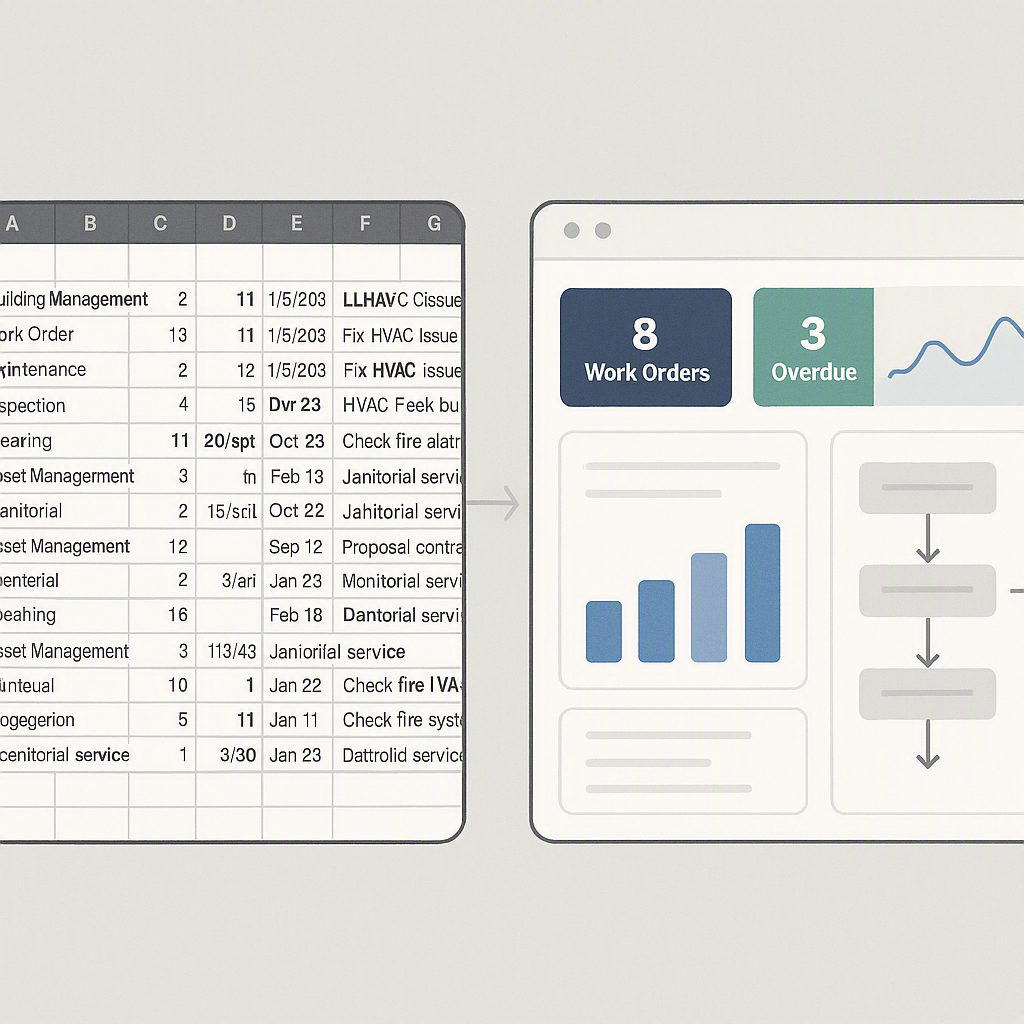
Margins in construction are razor-thin. When a project starts bleeding money, contractors often don't realize it until it's too late to fix. Why does this happen? Most companies still rely on outdated methods like Excel spreadsheets for tracking profitability. By the time they figure out where the money went, it’s already gone.
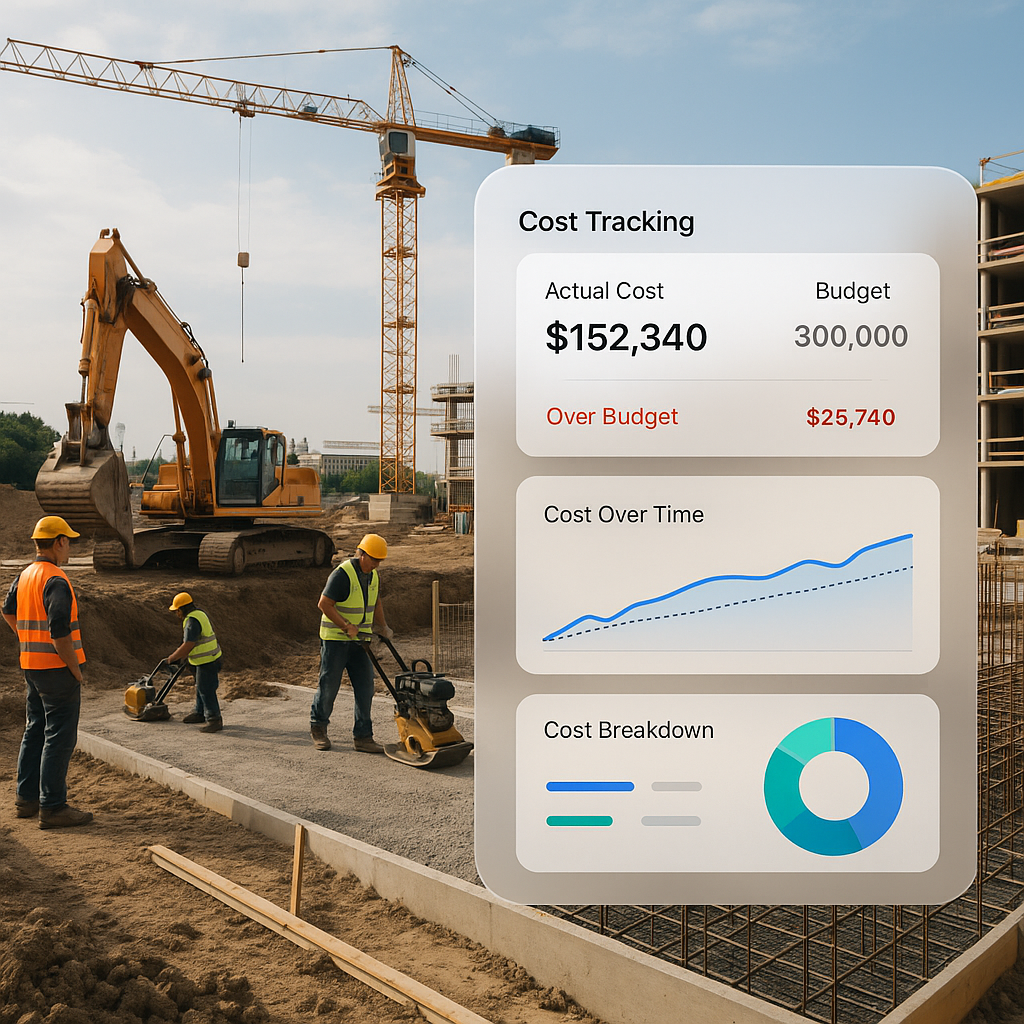
Take the BOQ margin report in JobNext ERP as an example. It compares contracted values against actual costs for labor, materials, subcontractors, plants, and overheads. Any variance is flagged immediately. For instance, if a subcontractor's cost exceeds the estimate, you see it before it snowballs into ₹50 lakh lost. But how does this actually work in practice, and can real-time tracking really make such a big difference? Let’s dive deeper.
Why Real-Time Tracking Matters
Real-time profitability tracking isn't just about monitoring costs. It’s about catching problems before they spiral out of control. A 2023 McKinsey report highlighted that construction companies lose up to 5% of their margins annually due to poor cost visibility. For a company managing ₹100 crore in projects annually, that’s ₹5 crore slipping through the cracks — money that could've been saved with the right tools and processes.
The Cost of Delayed Data
Imagine this scenario: A contractor realizes at the end of a project that labor costs exceeded the estimate by ₹20 lakh. Why didn’t they notice earlier? Because they were relying on outdated, manual methods, like Excel sheets, which don’t provide real-time insights. By the time the project closed, it was too late to renegotiate with vendors or adjust procurement strategies.
Contrast this with JobNext’s BOQ margin report, which functions more like a radar system for profitability. It highlights which items are profitable and which are eroding margins. Importantly, it’s not just about displaying numbers — it’s actionable. Users can drill down into specific cost categories, identify variances, and address them immediately. For example:
- If material costs spike unexpectedly, you can check supplier invoices to spot discrepancies.
- If labor costs exceed estimates, you can review attendance records and productivity metrics to identify inefficiencies.
- If subcontractor costs increase, you can flag and renegotiate before approving payments.
Case Study: A ₹50 Lakh Turnaround
Let’s look at a real-world example to illustrate the impact of real-time tracking. A mid-size EPC contractor in Pune was losing money on a high-rise project. Their subcontractor billed for extra materials that weren’t in the original scope. The finance team didn’t catch it until the project closed, resulting in a ₹32 lakh loss.
After switching to JobNext, the contractor implemented a weekly BOQ margin review process. On their next project, the same subcontractor attempted to bill extra for materials again. This time, the system flagged the variance immediately. The contractor was able to adjust their procurement strategy and saved ₹8 lakh on that single invoice. Over the course of the year, they recovered ₹50 lakh in margins they would have otherwise lost.
This example underscores a critical point: tools like JobNext don’t just track costs; they actively help contractors recover margins.
Practical Steps for Contractors
How can contractors start saving margins today? Here’s a breakdown of actionable steps:
1. Review BOQ Margins Weekly
Most contractors wait until the end of the month to review profitability. This is a common mistake. By the time monthly reports are generated, the damage is already done. Instead, adopt a weekly cadence:
- Assign a dedicated team member to review BOQ margin reports every Friday.
- Focus on projects with the largest variances, as these are the most likely to affect overall profitability.
- Use weekly reviews to make mid-project adjustments, whether it’s renegotiating with suppliers or reallocating labor resources.
2. Drill Into Variances
High-level numbers are helpful, but they don’t tell the full story. If material costs spike by ₹5 lakh, don’t stop at the summary report. Dig deeper:
- Materials: Match supplier invoices against the BOQ. Did you receive what you paid for?
- Labor: Compare timesheets to productivity metrics. Are workers clocking hours but underperforming?
- Subcontractors: Review scope creep. Are subcontractors billing for out-of-scope work?
3. Automate Reports
Manual tracking methods like spreadsheets are prone to human error and are far too slow for real-time decision-making. ERP systems like JobNext automate BOQ margin reports, ensuring accuracy and saving your team hours of administrative work each week.
- Automating reports eliminates the risk of oversight.
- It also frees up your team to focus on higher-value tasks, such as negotiating better rates with suppliers or optimizing workflows on-site.
Common Objections
Some contractors resist adopting modern tracking tools. Here are two of the most common objections, along with practical counterpoints:
Objection 1: We can track costs manually.
Yes, you can. But manual tracking has limitations:
- It doesn’t provide real-time insights, which are critical for catching issues early.
- It doesn’t scale. Managing 2-3 projects manually might be feasible, but what happens when you’re juggling 15 or 20?
Automation ensures consistency, accuracy, and scalability. And tools like JobNext are designed to work for contractors of all sizes.
Objection 2: ERPs are too expensive.
It’s true that ERP systems require upfront investment. But consider the cost of doing nothing:
- If your company runs 10 projects annually and loses ₹5 lakh per project to margin erosion, that’s ₹50 lakh gone.
- Investing in a tool like JobNext costs a fraction of the ₹50 lakh you’re losing.
When viewed through this lens, the ROI of profitability tracking tools becomes clear.
Comparison Table: Manual Tracking vs. Automated BOQ Margin Tracking
| Feature | Manual Tracking | Automated Tracking (e.g., JobNext) |
|---|---|---|
| Real-Time Insights | No | Yes |
| Accuracy | Prone to human error | High accuracy |
| Scalability | Limited | Scales to multiple projects |
| Time Investment | High | Low |
| Cost Visibility | Delayed | Instant |
FAQ
Q: How often should BOQ margin reports be reviewed?
A: Weekly is ideal. Monthly reviews are too slow to catch early signs of margin erosion. A weekly cadence allows you to spot and address issues before they escalate.
Q: Can real-time tracking work for small contractors?
A: Absolutely. Whether you manage 5 projects or 50, real-time margin tracking scales to your operations. In fact, smaller contractors often benefit the most because even minor losses can have a significant impact on profitability.
Q: What’s the biggest mistake contractors make when it comes to profitability tracking?
A: Ignoring variances until the project closes. By that point, it’s nearly impossible to recover lost margins. Early detection is key.
Q: How long does it take to implement a system like JobNext?
A: Implementation timelines vary, but most contractors can get up and running within 4-6 weeks. Training sessions ensure your team knows how to use the system effectively from day one.
Q: Is JobNext customizable for specific project needs?
A: Yes. JobNext allows you to customize BOQ tracking parameters, ensuring the system aligns with your project requirements.
Call to Action
If you're dealing with margin erosion, real-time profitability tracking can save you millions. Don’t wait until the end of your projects to discover where your money went. Get started with JobNext today →
Learn more at JobNext.ai