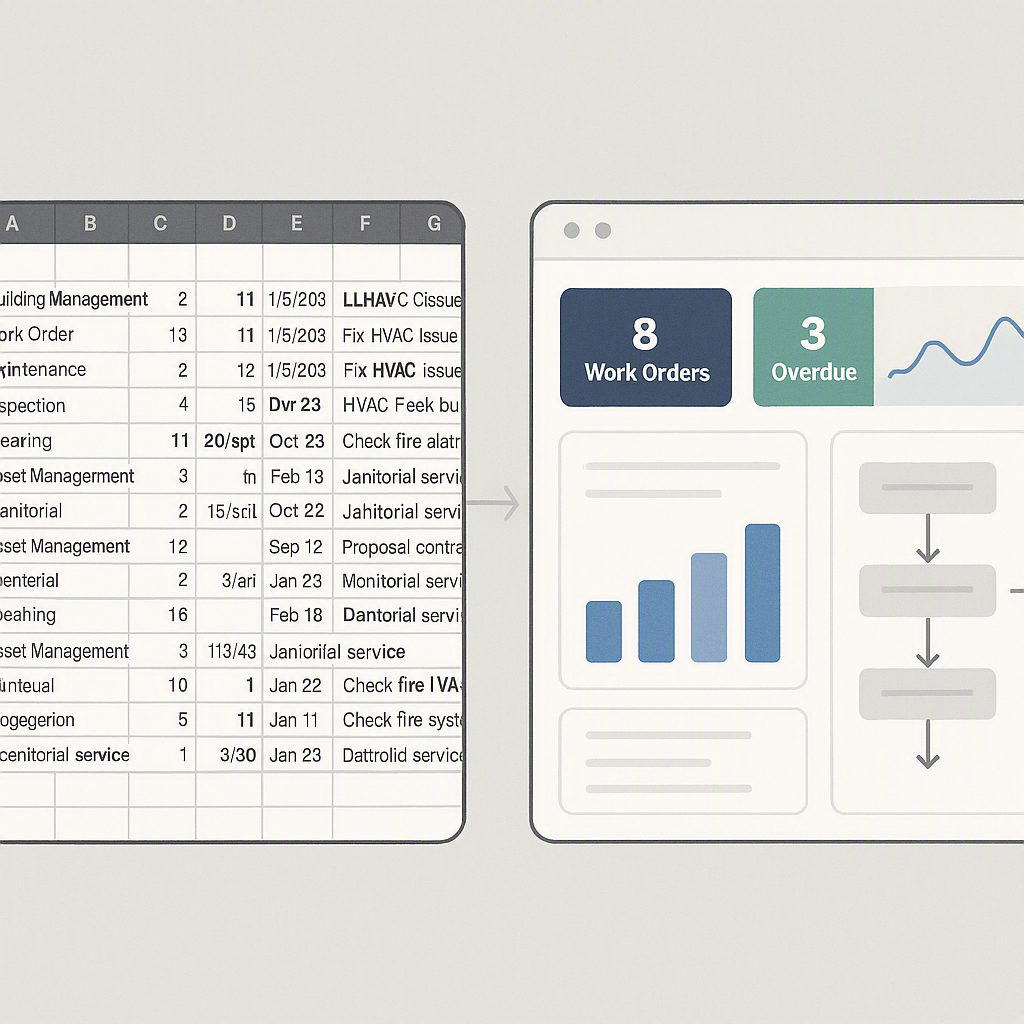
The Silent Killer: Margin Erosion in Construction Projects
Every contractor knows the feeling. A project that looked profitable on paper starts bleeding money halfway through. By the time you notice, the margins are gone. Why does this happen? Simple: hidden costs.
In my experience, margin erosion happens because most contractors rely on outdated methods to track project profitability. Spreadsheets, gut instincts, and fragmented systems don’t cut it anymore. You need a real formula—a structured way to monitor costs, predict profitability, and take corrective action early. Let’s break this down.
The Core Formula: BOQ Margin Analysis
BOQ (Bill of Quantities) Margin Analysis is the backbone of profitability tracking. This isn’t theory; it’s a practical tool contractors use to compare contracted values against actual costs. Let’s break it into actionable steps and ensure you understand how to implement it effectively.
BOQ Margin Formula
Here’s the formula:
Profit Margin per BOQ Item = Contracted Value – (Labour Costs + Material Costs + Plant Costs + Subcontractor Costs + Overhead Costs)
If the margin is negative, that’s your red flag. It means you’re either underestimating costs, facing scope creep, or dealing with procurement overruns.
But the formula is just the beginning. To make it useful, you must regularly apply it to every BOQ item and evaluate trends over time.
Worked Example: HVAC Installation Project
Let’s say you’re working on an HVAC installation project. One BOQ item—ducting—has a contracted value of ₹10,00,000. Here’s a step-by-step breakdown:
-
List All Costs:
- Labour Costs: ₹3,00,000
- Material Costs: ₹4,50,000
- Plant Costs: ₹50,000
- Overhead Costs: ₹1,25,000
-
Apply the Formula: Profit Margin = ₹10,00,000 - (₹3,00,000 + ₹4,50,000 + ₹50,000 + ₹1,25,000) = ₹75,000
-
Analyze the Margin: At first glance, this looks fine. But let’s say your material costs unexpectedly rise to ₹5,00,000 due to supply chain delays. The margin now drops to ₹25,000. Without weekly BOQ Margin Analysis, you won’t catch this change early enough to mitigate it.
-
Take Corrective Steps: Decide on actions to prevent further erosion. For example, renegotiate supplier contracts, substitute materials, or revise project timelines.
By following these steps, you can systematically identify and address margin issues before they spiral out of control.
Why Contractors Miss the Mark
Here’s the hard truth: most contractors don’t review BOQ margins until the project is nearly over. By then, it’s like trying to plug a sinking ship. Why does this happen? Let’s go deeper into the three key reasons:
1. Fragmented Systems
Tendering, procurement, and billing often operate as separate silos. This fragmentation prevents a real-time, holistic view of project profitability. When data doesn’t flow seamlessly between departments, small errors snowball into significant problems.
Actionable Fix:
- Invest in unified construction management software that integrates tendering, procurement, and billing.
- Standardize workflows to ensure data consistency across teams.
2. Reactive Cost Tracking
Many contractors only track costs after payments are processed. This approach is inherently reactive, meaning you’re always playing catch-up. By the time you identify a cost overrun, it’s often too late to make adjustments.
Actionable Fix:
- Implement proactive cost tracking at the BOQ item level.
- Set up alerts for cost variances that exceed a certain threshold.
3. No Standardized Reporting
Without standardized reporting tools, every project manager interprets margins differently. This inconsistency makes it difficult to compare projects or identify systemic issues.
Actionable Fix:
- Create a standardized BOQ Margin Report template.
- Train project managers on how to use it consistently.
The Fix: Weekly BOQ Margin Reviews
To avoid margin erosion, contractors need to implement a disciplined review process. Here’s a step-by-step playbook to set you up for success:
1. Consolidate Your Data
Use a unified platform like JobNext to centralize BOQ data, procurement workflows, and cost tracking. Fragmented tools make it impossible to get a clear picture.
Why It Matters:
When data is scattered across spreadsheets, emails, and disconnected systems, you lose valuable time reconciling information. A single platform lets you access real-time insights and focus on decision-making.
2. Run Weekly Reports
Use the BOQ Margin Report to:
- Highlight negative-margin items.
- Compare contracted values against real costs.
- Identify trends that indicate potential issues.
According to JobNext’s documentation, teams that review BOQ margins weekly catch cost overruns before they snowball.
Implementation Tip:
Schedule a recurring weekly meeting with your project managers to discuss BOQ margin reports. Make it a non-negotiable part of your workflow.
3. Investigate Variances
Negative margins often point to specific issues:
- Scope Changes: Ensure change orders are documented and billed immediately.
- Inaccurate Estimates: Refine your estimating process using historical data.
- Procurement Delays: Build buffer time into your project schedules.
Actionable Fix:
Create a checklist for investigating variances. For example:
- Check if scope changes were approved.
- Review procurement timelines.
- Compare actual costs to estimates.
4. Take Corrective Action
Once you’ve identified the root cause of a variance, act immediately. Possible actions include:
- Adjusting resource allocations.
- Renegotiating contracts with suppliers.
- Reallocating budget to high-priority areas.
What Happens If You Don’t?
Let me be blunt: ignoring BOQ margins is a recipe for disaster. Here’s what’s at stake:
- Profitability Loss: Even a small error in cost estimation can multiply across your project portfolio, turning a profitable year into a break-even one.
- Reputation Damage: When margins shrink, contractors often resort to cutting corners. This impacts project quality and erodes client trust.
- Missed Growth Opportunities: Without a clear view of your profits, you can’t reinvest wisely in your business.
FAQs: Common Questions About BOQ Margins
Q: How often should I review BOQ margins?
A: Weekly is ideal. Monthly reviews often come too late to fix profit leaks. Weekly reviews give you the agility to act quickly when issues arise.
Q: What’s the biggest contributor to negative BOQ margins?
A: Material cost overruns are the most common culprit. Price fluctuations, poor forecasting, and procurement delays often derail budgets.
Q: Can I do this with spreadsheets instead of software?
A: You can, but it’s inefficient and prone to human error. Unified platforms like JobNext automate the process, improve accuracy, and save time.
Q: How do I handle scope creep in BOQ margins?
A: Document all scope changes immediately and ensure they’re approved by the client. Update the BOQ and adjust your margin analysis accordingly.
Q: What’s a good profit margin for construction projects?
A: While this varies by project type, most contractors aim for a net profit margin of 8-15%. Regular BOQ Margin Analysis helps you stay within this range.
Comparison Table: Spreadsheets vs. Unified Platforms
| Feature | Spreadsheets | Unified Platforms (e.g., JobNext) |
|---|---|---|
| Real-time updates | No | Yes |
| Error-prone data entry | High | Low |
| Collaboration | Limited | Seamless |
| Automated reporting | No | Yes |
| Cost tracking integration | Manual | Automatic |
| Scalability | Limited | High |
Final Thoughts
Profitability in construction isn’t a guessing game—it’s a numbers game. If you’re not tracking BOQ margins weekly, you’re leaving money on the table. Tools like JobNext make this easier by centralizing data and automating reports.
Start small: pick one project, run a BOQ margin analysis, and see what insights you uncover. Once you’re comfortable, scale the process across your portfolio. The sooner you take control, the sooner you can stop margin erosion—and start maximizing your profits.
Learn more at JobNext.ai