Why Vendor Performance Can Make or Break Profitability
Let’s be blunt: contractors bleed margins because of poor vendor management. Late deliveries delay site progress. Poor quality materials lead to rework. Missed compliance deadlines trigger penalties. And when procurement teams don't track vendor performance effectively, these problems snowball into six- and seven-figure losses.
But there’s a fix: vendor performance scorecards. The catch? Most contractors either track the wrong metrics or don’t track anything at all.
The Real Cost of Poor Vendor Management
To truly understand why vendor performance matters, let’s break down the ripple effect poor vendor management can have:
1. Delayed Deliveries = Idle Labor Costs
Imagine a scenario where cement delivery is delayed by two weeks. The project comes to a grinding halt, yet you’re still paying for idle labor—carpenters, masons, site supervisors—none of whom can move forward because the foundation work isn’t completed. According to a study by Deloitte, labor costs can account for 20–30% of total project budgets. A single delay can wipe out months of profit margins.
2. Quality Issues = Expensive Rework
Materials that don’t meet specifications lead to rework, costing both time and money. For instance, a batch of subpar steel may not meet tensile strength requirements. If used, contractors risk structural integrity issues, forcing them to tear down and rebuild sections of the project. According to McKinsey, rework costs can account for up to 5% of total project budgets in construction.
3. Compliance Penalties
Missing regulatory deadlines due to late deliveries or quality issues can trigger penalties that range from ₹10,000 to ₹50 lakh, depending on the project’s scale. These penalties not only hurt profitability but also damage your reputation, making it harder to win future contracts.
What Metrics Actually Drive Profitability?
A good vendor scorecard focuses on three things: reliability, cost control, and quality. Let’s break that down:
1. On-Time Delivery Rate
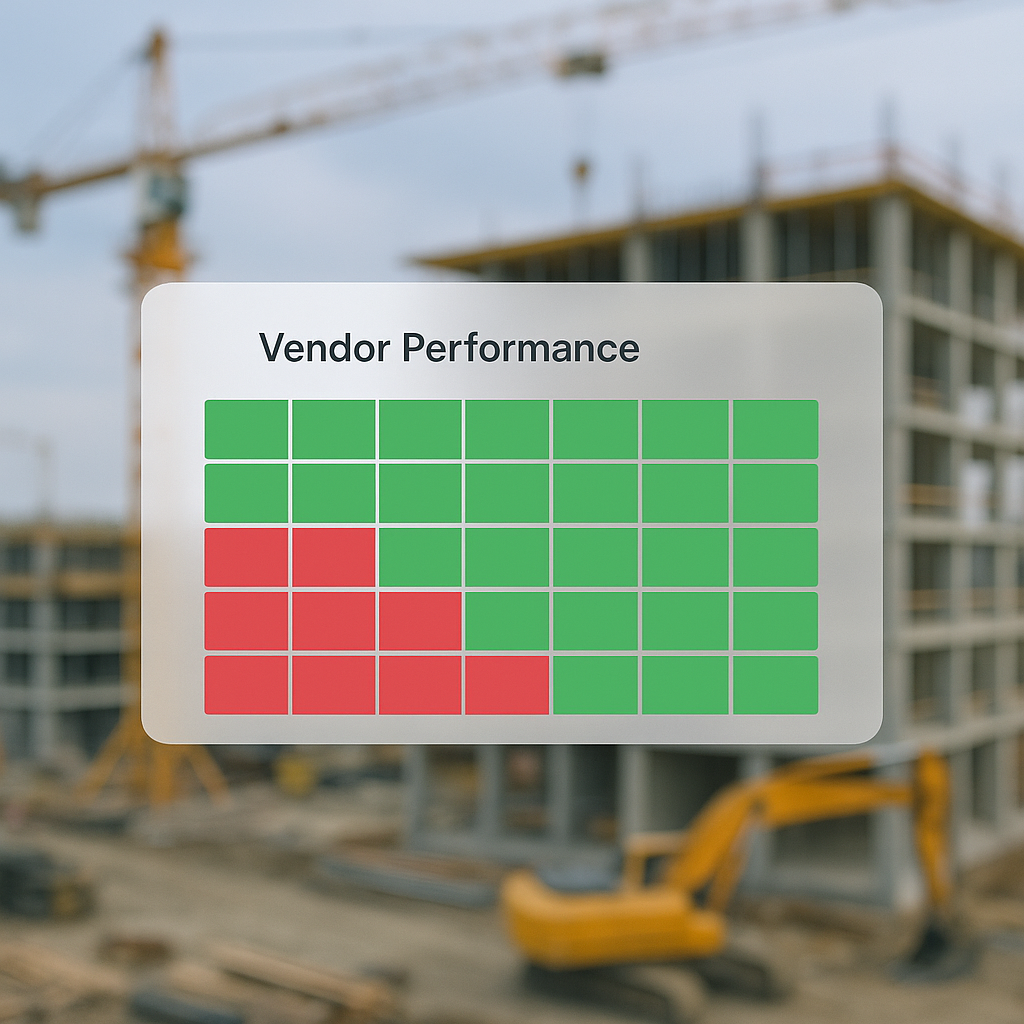
Late deliveries disrupt project schedules. For example, if cement shows up two weeks late, you’re paying idle labor costs. JobNext’s procurement module tracks promised vs. actual delivery dates for every vendor. It even flags chronic offenders with a delivery heatmap—green for on-time, red for delays.
Actionable Step: Set a benchmark for on-time delivery rates (e.g., 95%) and include it in vendor contracts. Use automated tools like JobNext to monitor compliance.
2. Budget Variance
Did the vendor’s final invoice match the agreed price? Or did they sneak in extras? JobNext automatically compares PO amounts against actual invoices, so you catch discrepancies before payments go out.
Concrete Example: One contractor noticed a recurring pattern of ₹5,000–₹10,000 discrepancies in invoices from a steel supplier. By flagging these in real-time, they saved ₹7 lakh over a year.
3. Quality Issues Logged
Materials that don’t meet specs lead to rework, which eats into profits. With JobNext, every material receipt is tied to a quality check. Failed items are logged and linked back to the vendor’s profile.
Case Study: A contractor in Mumbai implemented automated quality checks for incoming cement shipments. Within three months, rework costs dropped by 18%.
Case Study: ₹25 Lakh Saved by Tracking Vendor KPIs
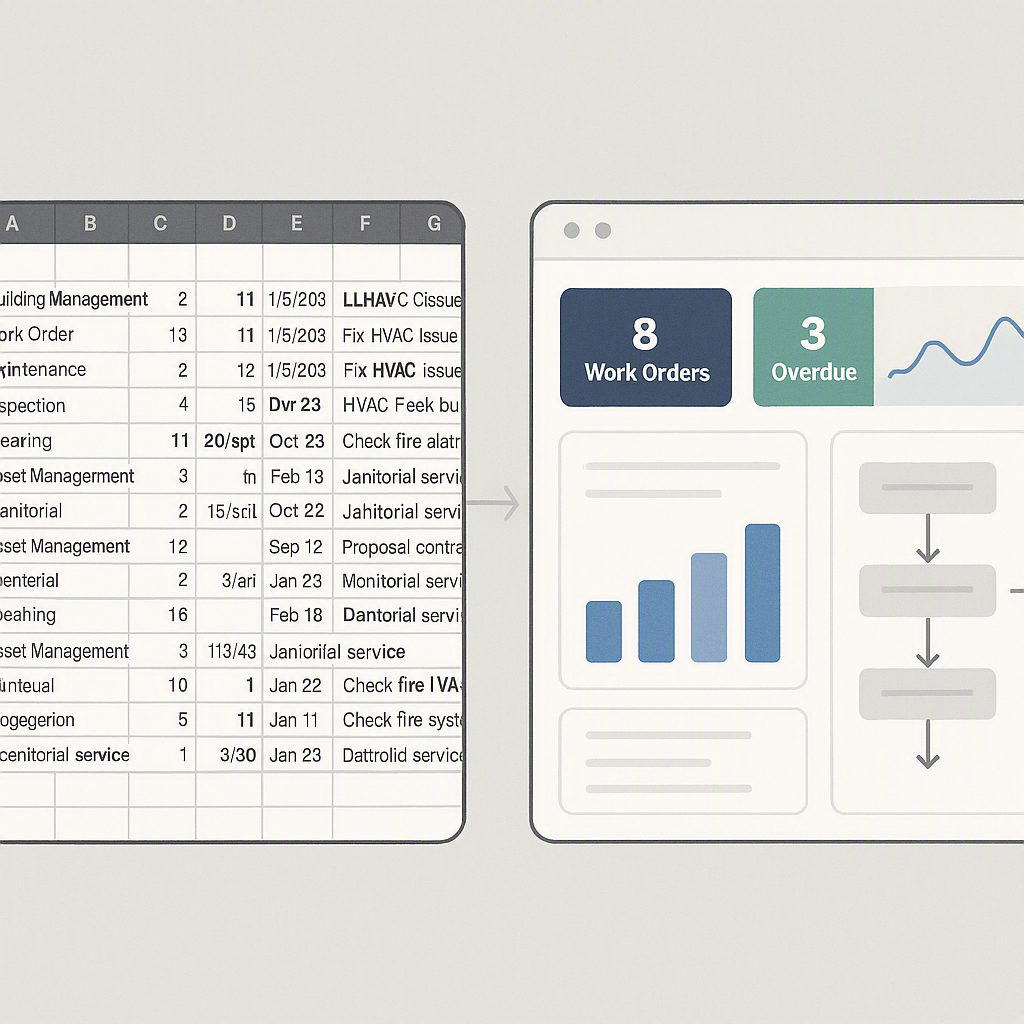
One mid-size EPC contractor in India was losing ₹25 lakh annually to procurement chaos. Their team relied on manual Excel sheets to track vendor performance. Data was incomplete, approvals were missed, and late deliveries were the norm.
After implementing JobNext, they built a structured vendor scorecard. Within six months:
- On-time delivery rates improved by 38%.
- Budget variances dropped from 12% to under 3%.
- Quality rejections fell by 22%, thanks to automated checks at receipt.
Bottom line? They recovered ₹25 lakh in savings.
Why Most Systems Fail at Vendor Management
Here’s the uncomfortable truth: most ERPs treat vendor management as an afterthought. They focus on issuing POs and logging invoices, but the actual performance tracking? That’s missing.
Common Pitfalls in ERP Systems:
- Lack of Granular Metrics: Most systems track spend volume but fail to analyze delivery timelines or quality metrics.
- Poor User Experience: Teams struggle to navigate clunky dashboards that bury critical data.
- Limited Automation: Manual data entry leads to errors and missed opportunities for optimization.
Actionable Step: Evaluate your current ERP’s procurement module. If it doesn’t track delivery rates, budget variances, and quality issues, it’s time to upgrade.
How to Build a Vendor Scorecard That Works
If you’re building a vendor performance scorecard from scratch, start with these steps:
1. Define Your Metrics
Focus on on-time delivery rate, budget variance, and quality issues logged. Resist the urge to track too many metrics—it’ll just overwhelm your team.
Comparison Table:
| Metric | Why It’s Important | Tools for Tracking |
|---|---|---|
| On-Time Delivery Rate | Prevents idle labor costs | JobNext, SAP SCM |
| Budget Variance | Avoids hidden cost overruns | JobNext, Oracle Netsuite |
| Quality Issues Logged | Reduces rework and compliance penalties | JobNext, Microsoft Dynamics |
2. Centralize the Data
Use a system like JobNext to automate data collection. Manual tracking in spreadsheets doesn’t scale and is prone to errors.
3. Set Clear Benchmarks
What’s your acceptable on-time delivery rate? 90%? 95%? Establish benchmarks for each metric and communicate them to vendors.
4. Review Performance Quarterly
A scorecard isn’t set-and-forget. Review it regularly and hold vendors accountable. Poor performers should face consequences—reduced orders, stricter payment terms, or removal from your approved vendor list.
FAQ: Vendor Management Questions Contractors Actually Ask
Q1: How do I get vendors to comply with performance tracking requirements?
Make performance tracking a contractual obligation. Include specific metrics in your vendor agreements, such as a minimum on-time delivery rate of 95%. Vendors who fail to comply face penalties or reduced orders.
Q2: What’s the best way to deal with a chronically underperforming vendor?
Start with a formal review. Share performance data and discuss corrective actions. If there’s no improvement after 2–3 quarters, remove them from your approved vendor list.
Q3: Can I track vendor performance manually instead of using a system like JobNext?
While it’s possible to use spreadsheets, it’s inefficient and error-prone. Automated systems save time, reduce human error, and provide real-time insights.
Q4: How do I calculate the ROI of implementing a vendor scorecard?
Track savings from reduced delays, rework, and budget overruns. Compare this against the cost of implementing a vendor management system like JobNext.
Q5: What if my vendors are small businesses that don’t use advanced tools?
Provide them with simple guidelines for compliance. For example, ask them to send delivery updates via email or SMS, which can be manually entered into your system.
Learn More
For more on how technology transforms vendor management, check out “Why AI Pilots Fail in Construction: The Hidden Cost of Bad Procurement Workflows”.
Call to Action
If vendor performance issues are eroding your margins, JobNext can help. Its procurement module lets you track the metrics that matter—automatically. Get started today →
Learn more at JobNext.ai