The Silent Killer of Contractor Margins: Poor Billing Practices
Most contractors think they lose money on materials or labor overruns. But the real margin killers? Billing delays and errors. Miss an RA bill by a week, and your cash flow tanks. Delay a stage-wise invoice, and suddenly you're juggling vendor payments while your client drags their feet.
The problem isn't new—it’s structural. Construction billing is complex. You’re dealing with RA Bills, stage-wise invoicing, monthly billing, BOQ supply invoicing, one-time charges, and sometimes even combined methods. When you’re managing all this manually or across disconnected systems, things slip through the cracks. And every slip costs money.
A study by JobNext found that contractors lose up to 20% of their margins because of billing issues. That’s not just a statistic—it’s a wake-up call.
How SaaS ERP Fixes Billing Chaos
A SaaS ERP system like JobNext simplifies billing workflows. Instead of juggling five different methods in spreadsheets or standalone tools, it brings everything into one unified platform. Here’s how it works:
- Structured Billing Options: Unlike generic ERP systems, JobNext offers six billing methods tailored for contractors—RA Bills, stage-wise invoicing, monthly bills, supply BOQ invoicing, combined methods, and one-time charges. This means you’re not forcing your workflow to fit the software; the software fits your workflow.
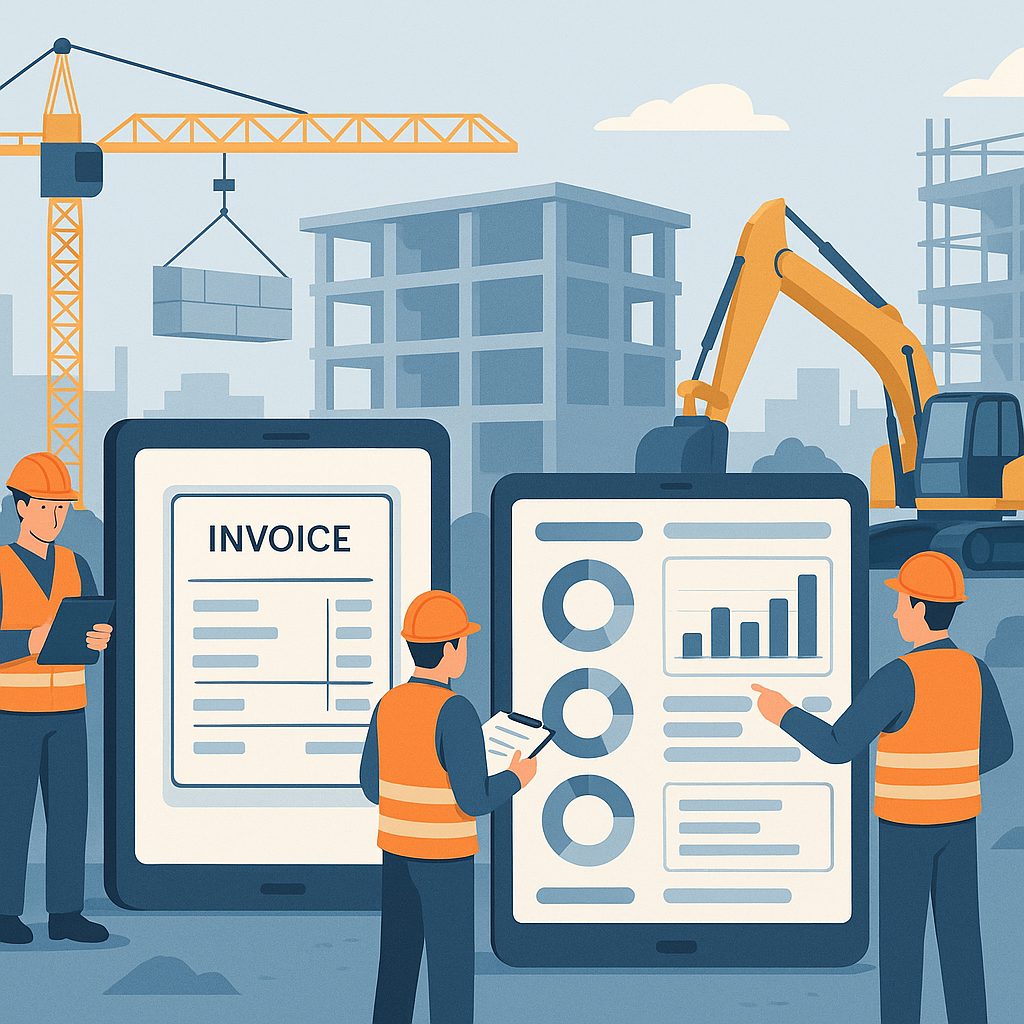
- Real-Time Visibility: SaaS ERP gives you dashboards and reports that show what’s billed, what’s pending, and what’s overdue. No guesswork. No surprises.
- Approval Chains: Need an invoice approved before sending it out? Multi-level approval workflows ensure there’s no bottleneck while keeping your process compliant.
Here’s a real-world example. A mid-sized HVAC contractor in Pune saved ₹15 lakhs in missed billing revenue within the first quarter of switching to JobNext. The culprit? RA Bills not sent on time because of manual tracking.
Why Manual Systems Can’t Keep Up
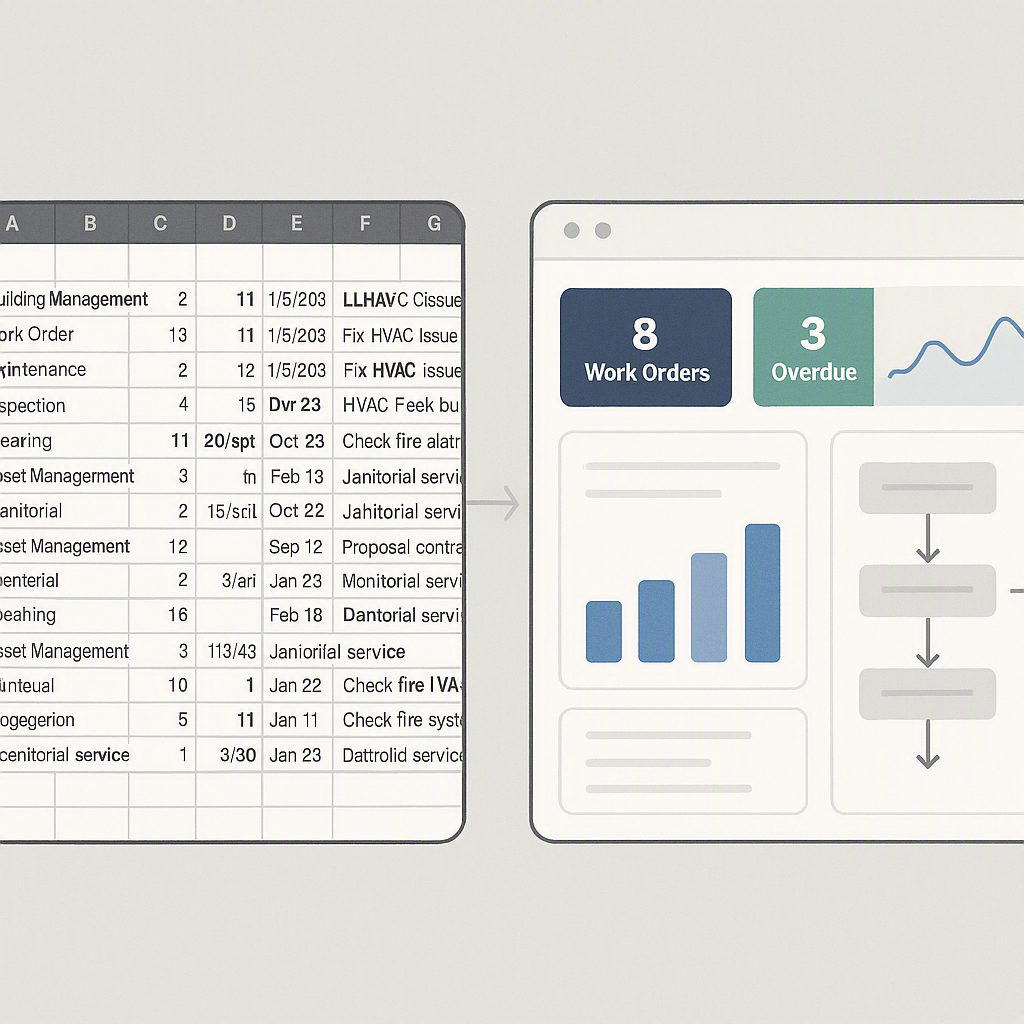
You might be thinking: "We’ve been doing fine with Excel and Tally." Fair, but here’s the problem. Excel doesn’t give you visibility across projects. Tally can handle GST compliance, but it’s not built to manage construction-specific billing workflows. And neither tool helps you avoid delays or track profitability in real-time.
Take stage-wise invoicing as an example. If you’re managing it manually, you’re relying on someone to remember when each stage is completed and generate invoices accordingly. What happens when they’re off sick? Or when the project timeline shifts? With SaaS ERP, the system knows the project schedule and triggers the invoice automatically.
The Cash Flow Impact
Billing delays don’t just hurt margins—they hurt cash flow. When your receivables are delayed, your payables start piling up. You begin borrowing or delaying vendor payments, and suddenly you’re paying interest or losing goodwill with suppliers.
SaaS ERP fixes this by automating invoicing and giving you visibility into receivables. You know exactly who owes you how much and when it’s due. Plus, tools like Razorpay-X integration let you reconcile payments instantly.
Why Contractors Are Switching
Contractors across India and the GCC are switching to cloud ERP for exactly this reason. Margins are shrinking, projects are growing larger, and manual systems just can’t keep up. As JobNext’s blog points out, better billing practices are key to avoiding revenue leakage.
You might be skeptical. "Is it really worth switching systems?" If you’re managing 50+ employees and running multiple concurrent projects, the answer is yes. The cost of SaaS ERP is negligible compared to the revenue you recover from better billing workflows.
Final Thoughts
Billing isn’t glamorous, but it’s critical. If you’re still relying on manual systems or disconnected tools, you’re leaving money on the table. SaaS ERP isn’t just another software—it’s the backbone that keeps your cash flow steady and your margins intact.
Want to see how it works in action? Check out JobNext for a breakdown of their billing modules and real-world case studies.
Sources:
- Why Contractors Lose Profits Without Cloud ERP (And How to Stop It)
- Why Contractors in India Are Switching to Cloud ERP for Growth
- Why Contractors Can't Grow Without Cloud ERP: A Real Example
Ready to see JobNext in action?
Multi-tenant SaaS ERP for construction, facilities management, and contracting — covering preconstruction, project execution, procurement, HR & payroll, equipment, finance, and 150+ analytics reports.
Get Started Free →Learn more at JobNext.ai