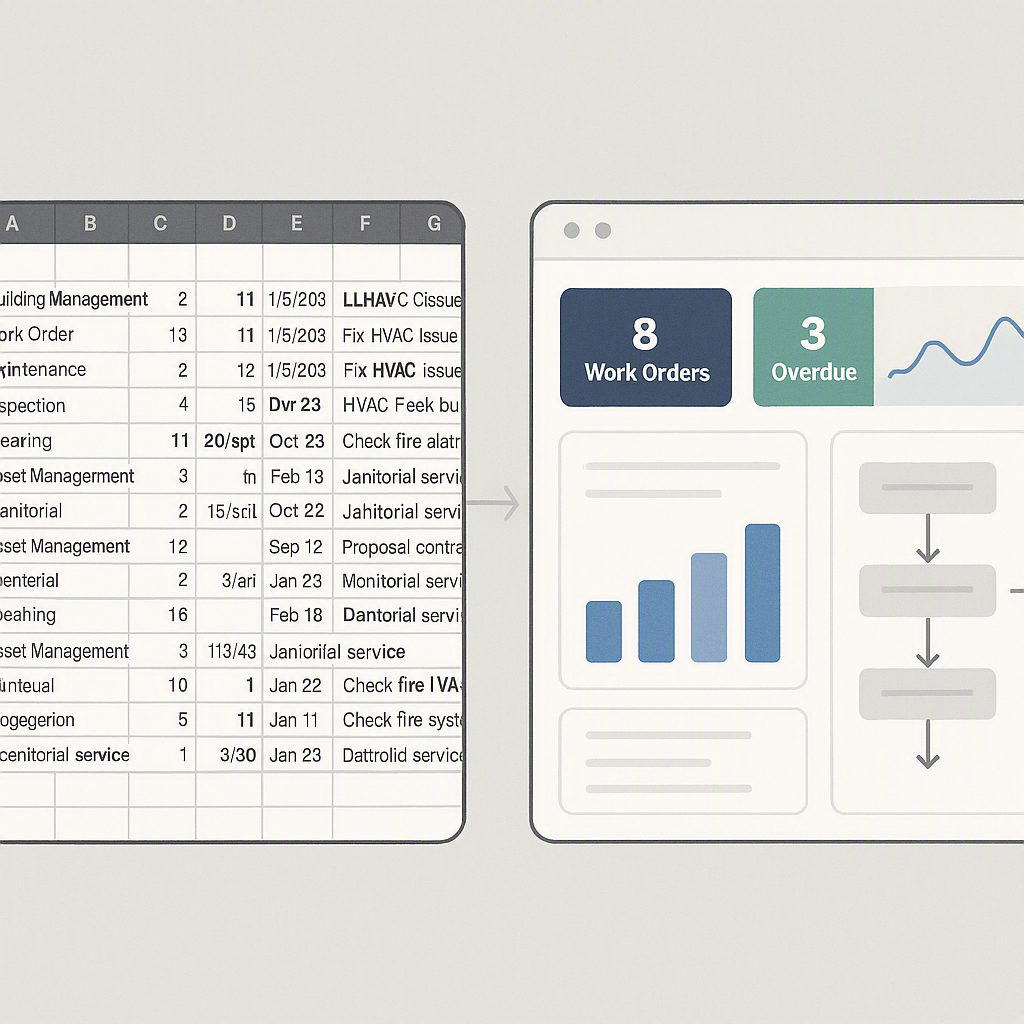
Why SaaS Is Taking Over Custom Software
Custom-built software sounds great in theory. You get exactly what your business needs, tailored to your operations. But in construction, the reality is rarely that simple. Why? Because the industry moves fast, and the demands on your software change even faster.
Think about it. A custom ERP might work perfectly for a single project or a specific workflow, but what happens when you expand to new regions, take on larger contracts, or face regulatory changes? Suddenly, that 'tailored solution' becomes an anchor. You're stuck with a rigid system that can't adapt without costly modifications.
And here’s the kicker: custom software is expensive to maintain. Updates, bug fixes, and integrations often require the original developer — or a new team that spends weeks just figuring out how the code works. That's not sustainable for contractors trying to keep overheads lean.
The SaaS Advantage: Real Flexibility
SaaS platforms flip the script. Instead of building a system from scratch, you get a ready-made solution that’s constantly evolving. JobNext, for example, offers tools designed specifically for contractors — from preconstruction quoting to subcontractor management — all under one roof.
Take procurement workflows. Most contractors struggle with manual chaos: material requests (MR), requests for quotations (RFQ), vendor evaluation, and purchase orders (PO) often live in disconnected spreadsheets or email chains. With a SaaS platform like JobNext, this entire workflow is streamlined. You get structured, approval-driven processes that adapt to your business size and project complexity. No custom coding required.
Scalability Without the Headaches
Here’s another reason SaaS beats custom: scaling is effortless. Imagine you’re running projects across Oman and UAE, with multiple currencies and GST compliance. A custom system might handle this — but only after costly development work. SaaS platforms like JobNext handle multi-country operations out of the box, including Tally integration for Indian statutory reporting and GCC payroll compliance. That’s game-changing for contractors expanding into new markets.
We’ve seen this in action. The Al Nab’a Services case study on JobNext.ai highlights how a 6,000-employee FM company transformed operations using SaaS. They went from disconnected workflows to automated processes in just 12 months — without the endless customizations that would’ve slowed them down.
Cost Control: A No-Brainer
Custom software doesn’t just cost more upfront. The real expense comes later — maintenance, upgrades, and downtime for fixes. SaaS platforms, on the other hand, charge predictable subscription fees. You get regular updates and new features without surprise bills. For contractors operating on thin margins (2-7% on average), that predictability matters.
Consider billing methods. Many contractors lose revenue because their systems can’t handle complex billing types — RA Bills, stage-wise invoices, monthly billing, you name it. JobNext’s SaaS model includes all six billing methods as standard. No custom development. No missed revenue.
Addressing Skepticism
You might be thinking, “What about data security? Aren’t SaaS platforms riskier?” In the past, that was a valid concern. But modern SaaS platforms address this with role-based access controls, encryption, and secure multi-tenant architectures. JobNext, for instance, ensures your data is isolated and safe — a critical feature for contractors handling sensitive financial and HR information.
There’s also the objection that SaaS platforms can feel generic. But that’s where industry-specific solutions shine. JobNext isn’t trying to be everything for everyone — it’s built for contractors, with workflows tailored to construction and facilities management.
Conclusion: The Choice Is Clear
Custom-built software had its time, but SaaS platforms are proving to be the better choice for modern contractors. Flexibility, scalability, and predictable costs make SaaS indispensable for firms juggling multiple projects, teams, and compliance requirements.
Want deeper insights into construction tech adoption? Check out The Hidden Cost of Tool Fragmentation on JobNext.ai. It’s a must-read for any contractor still relying on disconnected systems.
For small to mid-size contractors across India and the GCC, the shift to SaaS isn’t just practical — it’s necessary.
Ready to see JobNext in action?
Multi-tenant SaaS ERP for construction, facilities management, and contracting — covering preconstruction, project execution, procurement, HR & payroll, equipment, finance, and 150+ analytics reports.
Get Started Free →Learn more at JobNext.ai