Why Manual Procurement is Killing Your Margins
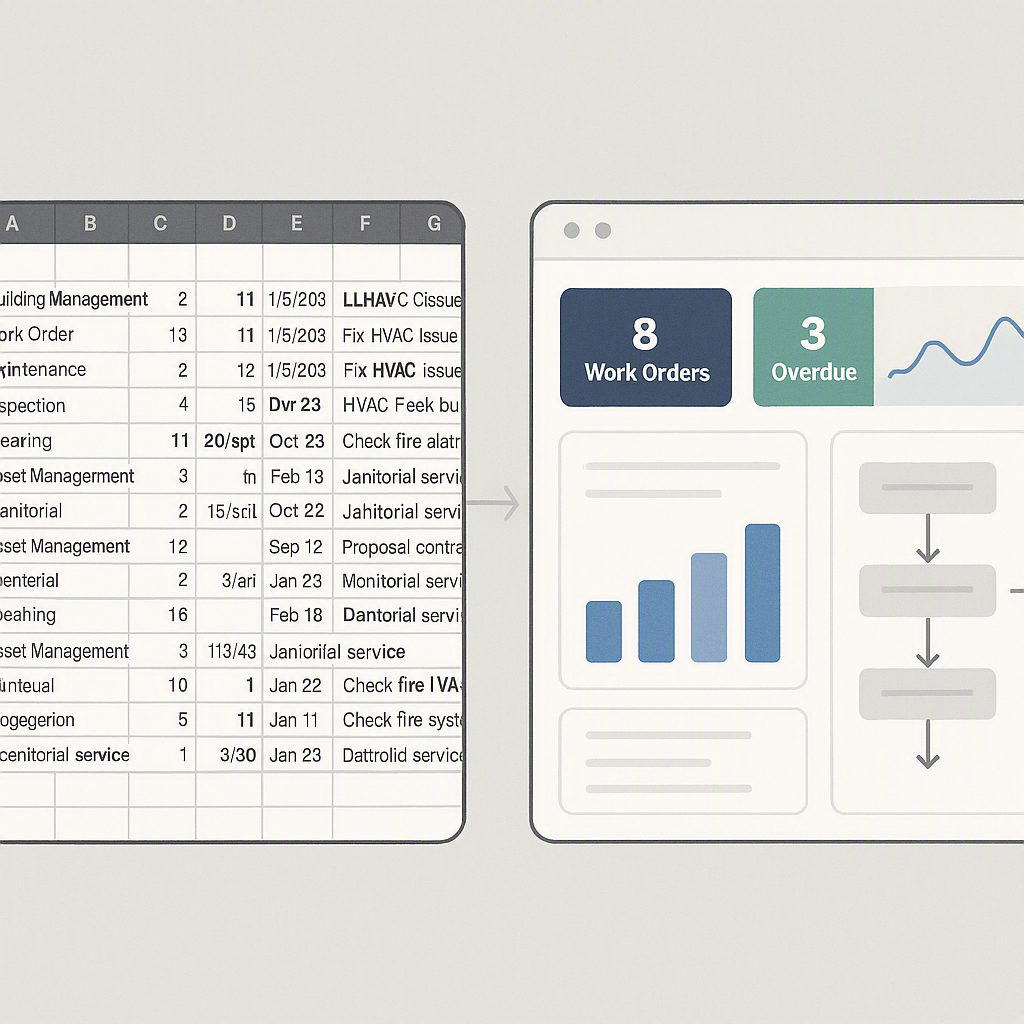
If you've ever tried managing procurement manually across multiple projects, you know the pain. Material Requests (MRs) get lost in email threads. RFQs (Request for Quotations) drag on because approvals are stuck with someone who's on vacation. Vendor offers come in different formats, making comparisons feel like a math exam. And POs (Purchase Orders)? They aren’t issued until it’s almost too late, delaying deliveries and throwing project schedules off track.
Sound familiar? For contractors juggling 10 or more active projects, this chaos isn't just frustrating—it’s expensive. Manual procurement can add 5-10% to project costs due to delays, errors, and missed discounts.
But here's the good news: SaaS ERP solutions, like JobNext, are designed to fix this.
How SaaS ERP Simplifies Procurement
A good SaaS ERP system turns procurement from chaos to a smooth, structured process. Let's break it down:
-
Centralized Material Requests (MRs) No more hunting through emails or WhatsApp messages. SaaS ERP consolidates all MRs in one place. For example, JobNext lets site engineers raise MRs directly in the system, tagging them by project and BOQ (Bill of Quantities) codes. This ensures you know exactly what’s needed and why.
-
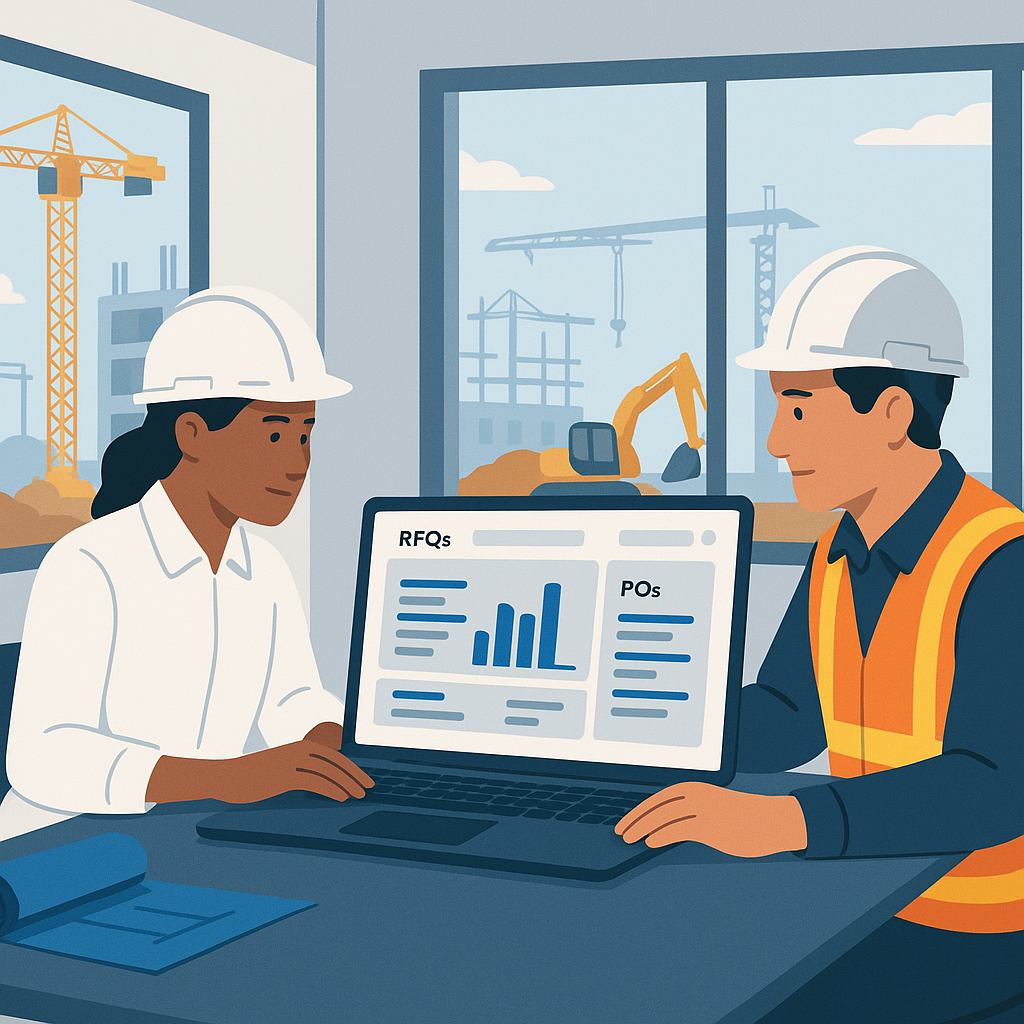
Automated RFQs with Vendor Comparisons Once an MR is approved, the system can auto-generate RFQs. Vendors receive standardized requests, and their offers are uploaded back into the ERP. Systems like JobNext even provide side-by-side comparisons of vendor offers, so you can evaluate price, delivery terms, and payment options at a glance.
-
Approval Workflows No more bottlenecks. SaaS ERP platforms, like JobNext, include multi-level approval workflows. For instance, if a PO exceeds ₹1 lakh, it automatically routes to the Operations Head for review. If it’s below ₹50k, the Site Manager can approve it directly. This keeps the process moving without email ping-pong.
-
Real-Time PO Tracking Every PO created is tracked in real-time. You can see which POs are pending, which are delivered, and which are delayed. This visibility is crucial for avoiding last-minute surprises. As this article on JobNext.ai explains, real-time tracking can prevent costly project delays caused by procurement gaps.
-
Vendor Performance Analytics Over time, SaaS ERP systems collect data on vendor performance. Who delivers on time? Who offers the best rates? Who causes delays? Platforms like JobNext generate vendor scorecards, helping you make data-driven decisions about future partnerships.
Real-World Example: How One Contractor Saved ₹10 Lakhs
A mid-sized HVAC contractor in Pune was struggling with procurement delays. They had 12 active projects and were managing MRs, RFQs, and POs manually—mostly through Excel and email. By the time a PO was issued, materials often arrived late, causing subcontractors to sit idle (and still get paid).
After implementing JobNext, their process looked like this:
- Site engineers raised MRs in the system, tagging them to specific BOQs.
- RFQs were auto-generated and sent to pre-approved vendors.
- Vendor offers were evaluated within the system, and approvals were streamlined based on predefined workflows.
- POs were issued 30% faster.
Result? They reduced material delays by 40%, cut idle labor costs by ₹6 lakhs, and saved another ₹4 lakhs through better vendor negotiations.
Why SaaS ERP is a Must-Have, Not a Nice-to-Have
Still think your spreadsheets and emails are "good enough"? Let’s be honest—they’re not. Without a unified system, you're leaving money on the table. Margins in construction are razor-thin (5-10% on average). Losing even 2% to procurement inefficiencies is unacceptable.
As this JobNext.ai article points out, the industry is moving fast. Companies that stick to manual systems will fall behind. SaaS ERP isn’t just about staying competitive—it’s about survival.
Ready to Fix Procurement Chaos?
If manual procurement is eating into your margins and keeping you up at night, it’s time to act. Platforms like JobNext are built for contractors like you—companies managing multiple projects, tight deadlines, and complex vendor ecosystems.
Want to see how it works in action? Check out JobNext for a deeper dive into features built specifically for contractors.
Ready to see JobNext in action?
Multi-tenant SaaS ERP for construction, facilities management, and contracting — covering preconstruction, project execution, procurement, HR & payroll, equipment, finance, and 150+ analytics reports.
Get Started Free →Learn more at JobNext.ai