Subcontractor Onboarding Isn’t Just Admin Work—It’s Margin Control
Ever had a subcontractor blow up your budget halfway through a project? Or worse, deliver subpar work that tanks your timeline? If you’re in the contracting business in India or the GCC, you’ve likely felt this pain. The root cause? Poor onboarding. Skipping steps might save time upfront, but it costs you later—in disputes, compliance penalties, and outright margin erosion.
But here’s the thing: onboarding doesn’t have to be a headache. If done right, it’s your first line of defense against cost overruns and chaos. Below, we break down the essential subcontractor onboarding checklist that actually works, especially for mid-sized contractors juggling multiple projects.
1. Start with a Clear Scope of Work
Let’s get one thing straight: vague scopes are a recipe for disaster. A subcontractor can’t deliver quality work if they don’t know exactly what’s expected. Use a structured approach to define the job scope. This includes:
-
Work Groups and Items: Break down the project into logical groups and individual tasks. For example, if it’s an MEP project, separate plumbing, electrical, and HVAC tasks into distinct work groups. This ensures that every element of the project is accounted for and minimizes overlapping responsibilities or missed deliverables.
-
BOQ Integration: Ensure every task ties back to your Bill of Quantities (BOQ) or Work Breakdown Structure (WBS). This clarity avoids pricing disputes later and ensures that all parties are aligned on expectations. For instance, a task labeled "Install 20 LED fixtures" should be tied to the BOQ line item covering electrical fixtures.
-
Milestone Definitions: Clearly define deliverable milestones and associated timelines. Your subcontractor should know when and what they are expected to complete and the consequences for delays or incomplete work.
Actionable Steps:
- Use templates for scopes that include predefined headers like "Task Description," "Materials Needed," and "Milestone Deadlines."
- Avoid generic descriptions like “complete electrical work.” Instead, specify: “Install cabling for 5 rooms per approved electrical diagram.”
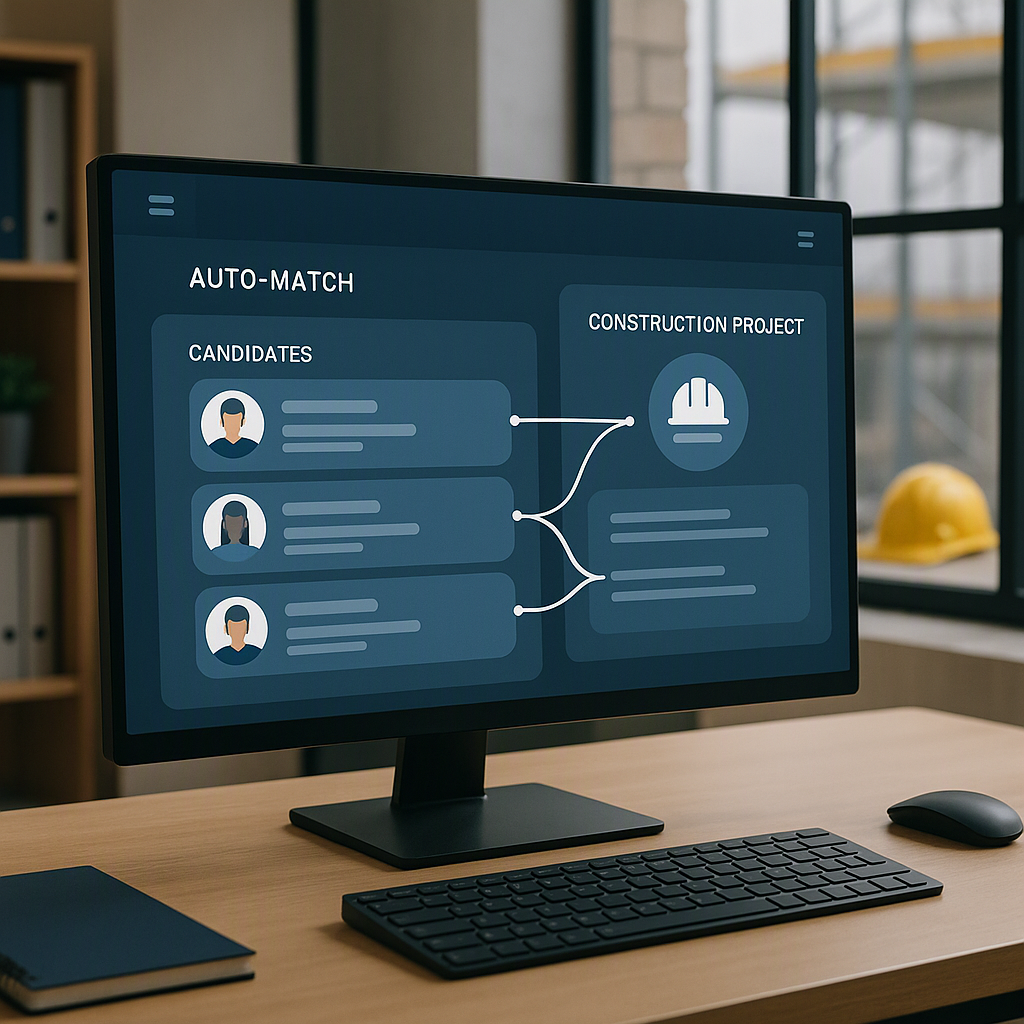
- Share these scopes in a centralized system accessible to all stakeholders, such as JobNext, which formalizes this process and ties tasks directly to BOQ.
2. Verify Compliance Documents Early
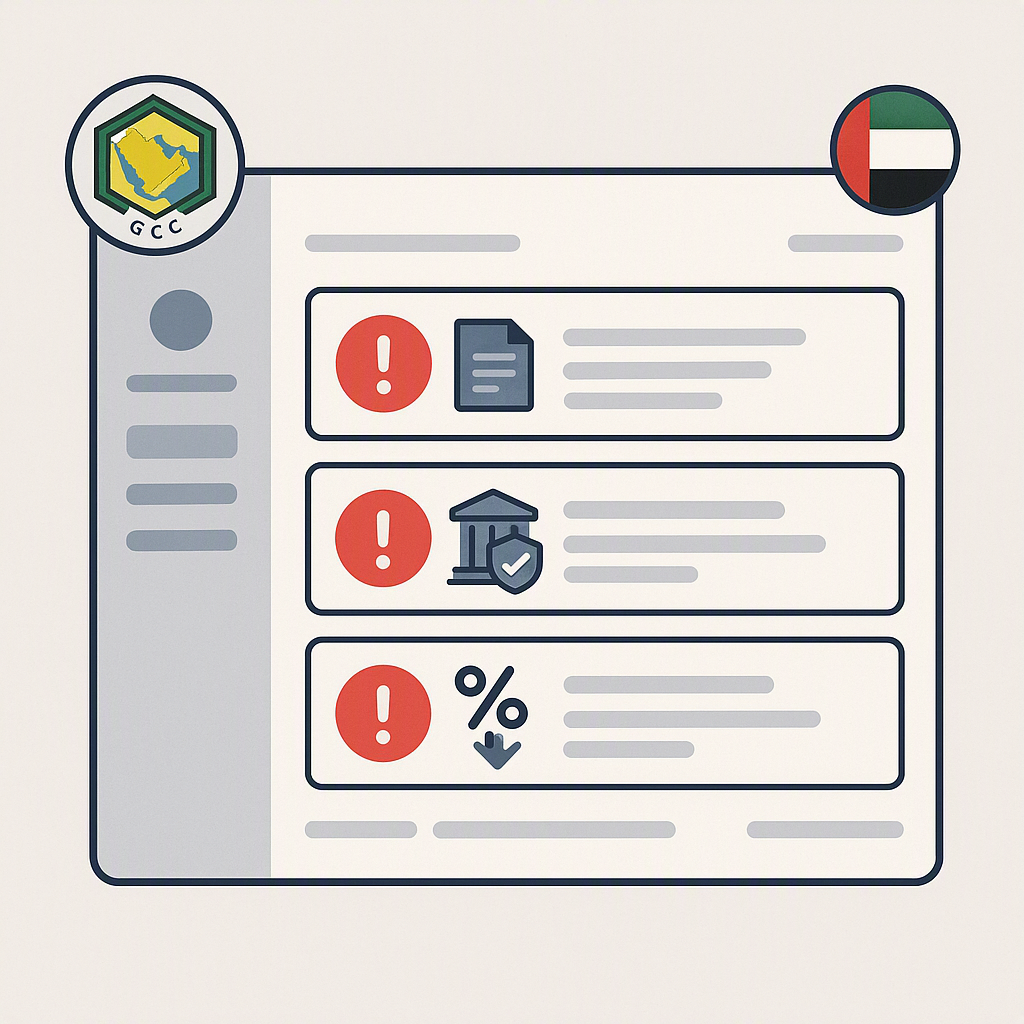
Skipping compliance checks is like playing Russian roulette with your project. In India and GCC, regulations are strict—think GST/TDS filings, labor law compliance, safety certifications, and insurance coverage. Missing documentation doesn’t just slow you down; it opens you up to penalties.
A practical onboarding checklist should include:
-
GST and TDS Registrations: Ensure the subcontractor is registered and compliant with tax regulations. Tie this into your accounting system for seamless reconciliation. For example, verifying GST registration ensures you can claim input tax credits.
-
Insurance: Check for valid coverage, especially for high-risk trades like scaffolding or heavy equipment operation. Confirm that coverage extends for the entire duration of the project.
-
Past Performance Records: Look for documented safety incidents, project delays, or disputes. This helps you avoid hiring subcontractors who have a history of problematic behavior.
-
Labor Compliance: Verify that the subcontractor meets local labor law requirements, including wages, working hours, and welfare provisions.
Actionable Steps:
- Create a compliance document checklist and share it with subcontractors before onboarding begins.
- Use compliance management software to flag missing paperwork, such as JobNext’s automated workflows.
- Conduct periodic audits to ensure ongoing compliance, especially for projects spanning several months.
3. Use a Competitive RFP Process
Here’s a mistake I’ve seen too often: awarding a subcontract to the first bidder who seems “reasonable.” The problem? “Reasonable” doesn’t mean competitive—or capable. A proper Request for Proposal (RFP) process ensures you’re not just getting the lowest price, but the best value.
Steps for effective RFP management:
-
Start from an Approved Work Requisition (WR): This ensures the scope and budget are locked before you engage subcontractors. Without this, you risk scope creep and unapproved expenses.
-
Detail the Scope: Attach drawings, BOQ breakdowns, and technical specs to eliminate ambiguities. This ensures subcontractors quote accurately.
-
Invite at Least Three Vendors: Competitive bidding requires multiple offers. It’s the best way to benchmark costs and capabilities.
-
Document Selections: Always record why you chose a vendor, especially if they’re not the lowest bidder. This audit trail protects you in case of disputes.
Actionable Steps:
- Circulate RFPs via software that tracks submissions, like JobNext.
- Compare bids using weighted scoring criteria—for example, pricing (40%), capability (30%), and past performance (30%).
- Conduct post-selection reviews to identify trends in vendor performance and refine future RFPs.
4. Create Work Orders with Built-In Controls
A Work Order (WO) isn’t just a formality—it’s your contract with the subcontractor. Everything from payment terms to scope changes hinges on it. Get this wrong, and you’re inviting disputes.
Here’s what a solid WO should include:
-
Detailed Line Items: Each task should map to the BOQ/WBS, with clear unit measures and quantities.
-
Budget Caps: Set spending limits tied to your approved budget. This prevents subcontractors from overcharging or exceeding the agreed budget.
-
Payment Milestones: Define when payments will be released (e.g., on measurement approval, not arbitrary dates). Milestones should be tied to specific deliverables.
-
Amendment Protocols: Avoid cancellations. Instead, use amendments to preserve the history of changes and maintain accountability.
Actionable Steps:
- Use standardized WO templates with pre-filled sections for milestones and budget caps.
- Ensure WOs are shared digitally, allowing for real-time updates and amendments via platforms like JobNext.
- Train your project managers to review WOs for completeness before issuing them.
5. Track Progress with Measurement Sheets
Subcontractor work is rarely linear. Without proper tracking, you’ll lose visibility into what’s done—and what’s not. Measurement Sheets are your answer. They document completed work and tie it back to the WO.
Best practices for measurements:
-
Prompt Updates: Record measurements as work progresses, not weeks later. Regular updates ensure that you can address issues before they escalate.
-
Clear Documentation: Include photos or site reports as evidence. This creates transparency and avoids disputes.
-
Approval Workflow: Route measurements through project managers for validation. This adds an extra layer of accountability.
Actionable Steps:
- Conduct daily or weekly site inspections for real-time progress updates.
- Use digital tools like JobNext’s Measurement Sheet feature to log work and auto-generate bills.
- Keep photographic evidence tied to measurement records for dispute resolution.
6. Reconcile Materials Regularly
Material discrepancies are a hidden killer of margins. If your subcontractor is responsible for materials, track usage and reconcile regularly. This prevents “leakage”—whether intentional or accidental.
Steps to follow:
-
Define Recoveries: Add recovery items (e.g., unused materials) to the WO. This ensures that materials are properly accounted for.
-
Reconcile Stock: Cross-check issued materials against progress and return unused items. Regular reconciliations prevent unexpected costs.
-
Audit Trail: Keep a log of all transfers and recoveries. This is essential for maintaining transparency.
Actionable Steps:
- Conduct material reconciliations at every milestone or billing cycle.
- Use dedicated software like JobNext to track material issuance, usage, and recoveries.
- Train site staff to document material transfers immediately.
7. Monitor Cash Flow Impact
Subcontractor payments often represent a significant chunk of your project costs. Mismanaging this can wreck your cash flow.
What to watch for:
-
Retentions: Hold back a percentage of payments until all scope items are verified.
-
Milestone-Based Payments: Release funds only after clear deliverables are met.
-
Budget Burn Reports: Regularly check subcontractor expenses against your allocated budget.
Actionable Steps:
- Create a cash flow tracking dashboard that includes retentions and milestone payments.
- Use tools like JobNext’s Subcontractor Budget Burn report for real-time visibility.
- Conduct monthly reviews of subcontractor payments to ensure alignment with projected cash flow.
Comparison Table: Key Onboarding Steps
| Step | Purpose | Tool/Method | Risk if Skipped |
|---|---|---|---|
| Scope of Work | Define expectations | Templates, JobNext | Miscommunication, scope creep |
| Compliance Checks | Legal and safety compliance | Checklists, JobNext | Penalties, project delays |
| RFP Process | Cost and capability benchmarking | Weighted scoring, JobNext | Overpriced or underperforming vendors |
| Work Orders | Formalize agreement | Standardized WOs, JobNext | Disputes, uncontrolled changes |
| Measurement Sheets | Progress tracking | Daily logs, JobNext | Delays, disputes over completed work |
| Material Reconciliation | Prevent losses | Inventory tools, JobNext | Increased material costs |
| Cash Flow Monitoring | Budget control | Dashboards, JobNext | Cash shortages, project delays |
The Bottom Line
Subcontractor onboarding isn’t just about ticking boxes—it’s about protecting your margins and ensuring project success. If you’re struggling with manual workflows or fragmented systems, it’s time to rethink your approach.
JobNext offers tools to streamline every step—from RFPs to compliance tracking. Ready to take control of your subcontractor management process? Get started today →
Learn more at JobNext.ai