Why Compliance Tracking Matters for GCC Contractors
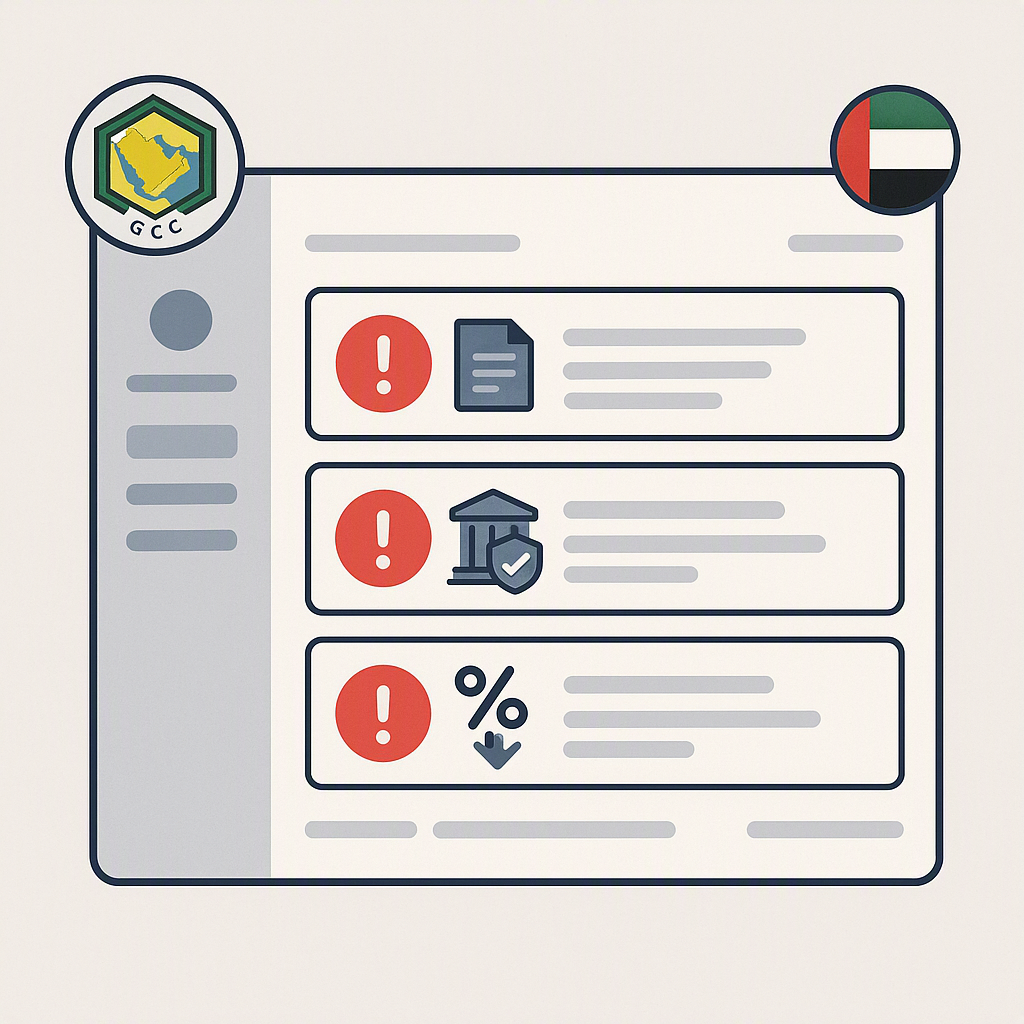
If you're running a contracting business in the GCC or India, you already know the headache compliance requirements can cause. Miss one statutory deduction, skip a VAT filing, or fail to track bank guarantees—and you're looking at fines, delayed payments, or even frozen contracts. It's not just about legal risks; poor compliance directly hits your margins and credibility.
Take VAT filings in the UAE, for example. Contractors face strict deadlines, and any errors—whether in rate application or invoice formatting—can lead to penalties or rejection of reimbursement claims. Similarly, Indian contractors juggling GST and TDS compliance know that manual processes are a recipe for disaster. Errors pile up, and fixing them later takes significant time and effort. The result? Higher operational costs, strained client relationships, and diminished profitability.
But compliance isn't just a necessary evil—it can be a competitive advantage when handled correctly. By proactively managing compliance requirements, you can avoid disruptions, build stronger relationships with clients, and even improve profitability margins by reducing unnecessary fines and delays.
The Common Compliance Pitfalls
Compliance is not just about ticking boxes; it requires meticulous attention to detail across multiple processes. Unfortunately, many contractors still rely on outdated methods like spreadsheets, email chains, and manual workflows. While these may seem cost-effective, they’re riddled with inefficiencies and risks. Let’s break down where things typically go wrong and how you can fix them:
1. Bank Guarantee Tracking
Every tender submission or contract often requires a bank guarantee (BG). These guarantees act as financial security for clients, ensuring a contractor's commitment to project completion. However, without proper tracking systems, BGs often expire unnoticed, leaving businesses exposed to financial penalties, strained relationships, or even loss of contracts. A single missed renewal can be disastrous.
Actionable Steps:
- Centralized Database: Create a unified repository for all BGs, including details such as expiration dates, associated projects, and client information.
- Automated Alerts: Use calendar alerts or dedicated tracking software to send renewal notifications to relevant team members at least 30 days in advance.
- Backup Plan: Assign a secondary team member to monitor BG expiration as a failsafe, especially for high-value projects.
2. Statutory Deductions
Provident Fund (PF) and Employees' State Insurance (ESI) deductions for employees working across multiple sites need to be calculated accurately and filed on time. Missing deadlines triggers fines, audits, and potential legal action. Moreover, inconsistencies in data collection can lead to discrepancies during audits.
Actionable Steps:
- Standardized Data Collection: Use predefined templates to collect employee data across all sites uniformly.
- Automation Tools: Automate deduction calculations using payroll software integrated with compliance modules.
- Regular Audits: Conduct monthly internal audits to ensure payroll deductions match statutory requirements.
3. GST/TDS Errors
Tax compliance is especially challenging in regions like India, where GST rates vary based on the type and location of projects. Similarly, TDS (Tax Deducted at Source) computations must be accurate to avoid penalties. Manual tax computations are prone to errors, leading to disrupted project cash flow and strained vendor relationships.
Actionable Steps:
- Software Integration: Invest in cloud-based accounting software that supports GST and TDS calculations.
- Staff Training: Train your finance team periodically on updated tax regulations to ensure accurate inputs.
- Batch Validations: Use batch-processing tools to verify that invoices meet compliance standards before submission.
4. Approval Delays
Compliance documents often require multi-level approvals, which can get bogged down in email chains or informal communication methods. Delays in obtaining necessary approvals can lead to late filings, penalties, and reputational damage.
Actionable Steps:
- Workflow Automation: Implement approval workflows using project management or compliance software.
- Clear Hierarchy: Define approval responsibilities and deadlines clearly within your team.
- Accountability Metrics: Track approval timelines and hold approvers accountable for delays.
5. Document Mismanagement
Storing compliance documents in random folders, emails, or physical files makes retrieval a nightmare during audits. Missing or misfiled documents can lead to penalties, delayed certifications, or even legal challenges.
Actionable Steps:
- Document Management System (DMS): Adopt a DMS to centralize compliance files. Ensure the system supports tagging and metadata for easy search.
- Backup Protocols: Implement regular backups of compliance files on cloud storage platforms.
- Audit Trails: Choose platforms that log who accessed or modified compliance documents to enhance transparency.
Why Manual Processes Persist
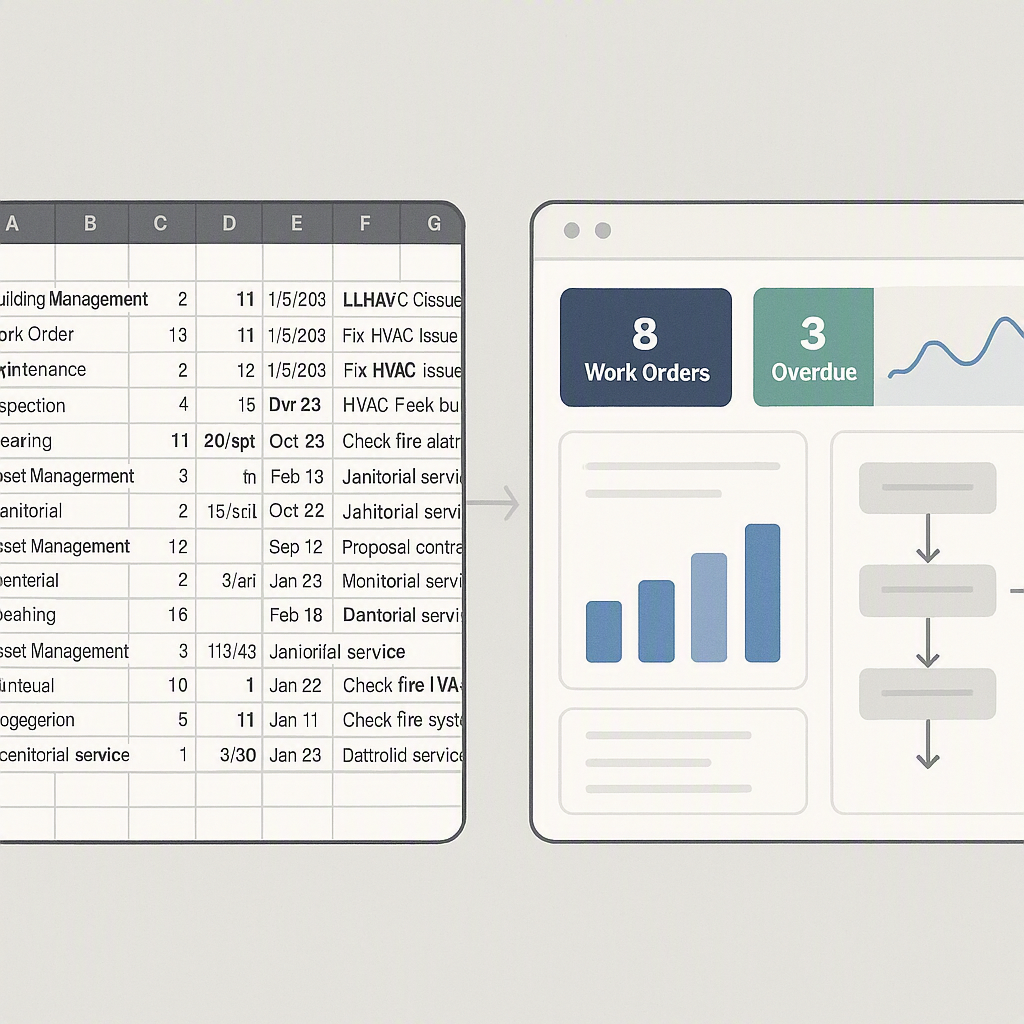
Manual workflows persist for one simple reason: they feel cheaper upfront. Hiring a clerk to track BGs or calculate GST seems like a low-cost solution compared to investing in a software solution. Unfortunately, this approach ignores hidden costs:
- Rework Costs: Fixing compliance errors discovered during audits takes significant time and money, often requiring external consultants or legal advisors.
- Penalties for Delays: Missing deadlines can result in fines that affect your project timelines, client relationships, and reputation.
- Lost Margins: Fines, unclaimed reimbursements, and delayed cash flows due to compliance errors can erode your profit margins significantly.
While spreadsheets and manual tracking might suffice for small projects, they become a bottleneck when you’re managing multiple sites, trades, and compliance requirements. They also leave your processes exposed to human error, which is entirely preventable with the right tools.
How Compliance Software Solves These Issues
Integrated facilities management or compliance tracking software can bridge the gap between manual inefficiencies and the need for scalable, error-free operations. Here’s how these tools tackle specific compliance pain points:
1. Bank Guarantee Tracking
Automated systems track BGs and send expiry alerts, ensuring you never miss a renewal deadline. This eliminates the risk of penalties and protects your credibility with clients.
- Example: Set automated reminders 30, 15, and 5 days before a BG expires.
- Benefit: Avoid last-minute rushes, penalties, and strained relationships by staying proactive.
2. Automated GST/TDS Filing
Finance modules in compliance software handle complex tax regimes like dual GST (India) and VAT (GCC). These systems automatically compute tax liabilities, generate statutory returns, and flag errors before filing.
- Example: Configure the software to apply appropriate GST rates based on project location or type. The system will auto-generate invoices that comply with local tax laws.
- Benefit: Eliminate manual calculations, reduce errors, and ensure timely filings.
3. Multi-Level Approval Workflows
Pre-configured workflows route compliance documents through the right approvers in the correct sequence, ensuring accountability and reducing delays.
4. Document Management System (DMS)
A DMS attaches compliance certificates directly to transactions like invoices, work orders, and tenders. This ensures documents are stored centrally and can be retrieved instantly during audits.
5. Real-Time Dashboards
Dashboards provide instant visibility into compliance status, overdue filings, and pending approvals. This transparency reduces time spent digging through emails or spreadsheets.
| Feature | Manual Methods | Compliance Software |
|---|---|---|
| Bank Guarantee Tracking | Spreadsheets, reminders | Automated alerts, centralized tracking |
| Tax Compliance | Manual calculations | Auto-computed GST/VAT/TDS filings |
| Approval Workflows | Email chains | Pre-configured multi-level workflows |
| Document Management | Decentralized storage | Centralized, searchable document repository |
| Real-Time Visibility | Manual checks | Dashboards with instant compliance status |
Common Mistakes to Avoid
- Relying on Spreadsheets: They’re fine for small projects but don’t scale across multiple sites. Spreadsheets are prone to errors, lack real-time updates, and make collaboration difficult.
- Skipping Approval Workflows: Without structured approvals, errors go unnoticed until audits, leading to penalties or lost money.
- Ignoring Expiry Alerts: Bank guarantees have strict deadlines. Missing a renewal costs more than just money—it can jeopardize your client relationships.
- Overcomplicating Systems: Avoid platforms with steep learning curves or unnecessary integrations. Pick software with user-friendly interfaces and built-in compliance modules.
What Compliance Issues Still Worry Me
Even with software, compliance isn’t foolproof. Regulatory changes can outpace software updates, forcing you to double-check filings manually. Additionally, automation reduces errors but doesn’t replace the need for skilled oversight—especially when dealing with complex VAT or GST scenarios.
However, running a contracting business without compliance tracking software in 2026 feels reckless, especially in heavily regulated regions like the GCC. The risks of manual processes far outweigh the costs of automation.
Call to Action
If compliance tracking is draining your resources and costing you fines, explore software solutions that offer automated workflows to simplify GST, VAT, and BG tracking. These tools can save time, improve accuracy, and protect your margins.
Learn more at JobNext.ai