# How SFG20 Maintenance Schedules Can Transform Hard FM Operations

Facilities management (FM) is brutal when done wrong. Missed maintenance leads to costly failures. Over-maintenance wastes time and money. And compliance gaps? They’re a legal nightmare waiting to happen. Hard FM, which covers critical systems like HVAC, electrical, and plumbing, is particularly unforgiving.

So how do you stay on top of it all? That’s where the SFG20 task library comes in. If you're in the facilities management or contracting space and haven't explored SFG20 yet, it's time to pay attention.

---

## The Case for Standardized Maintenance

I used to think that every building was unique and required its own maintenance approach. You know the pitch: "This site is different, we can’t just apply generic schedules!" It sounds reasonable, right? Except it’s wrong.

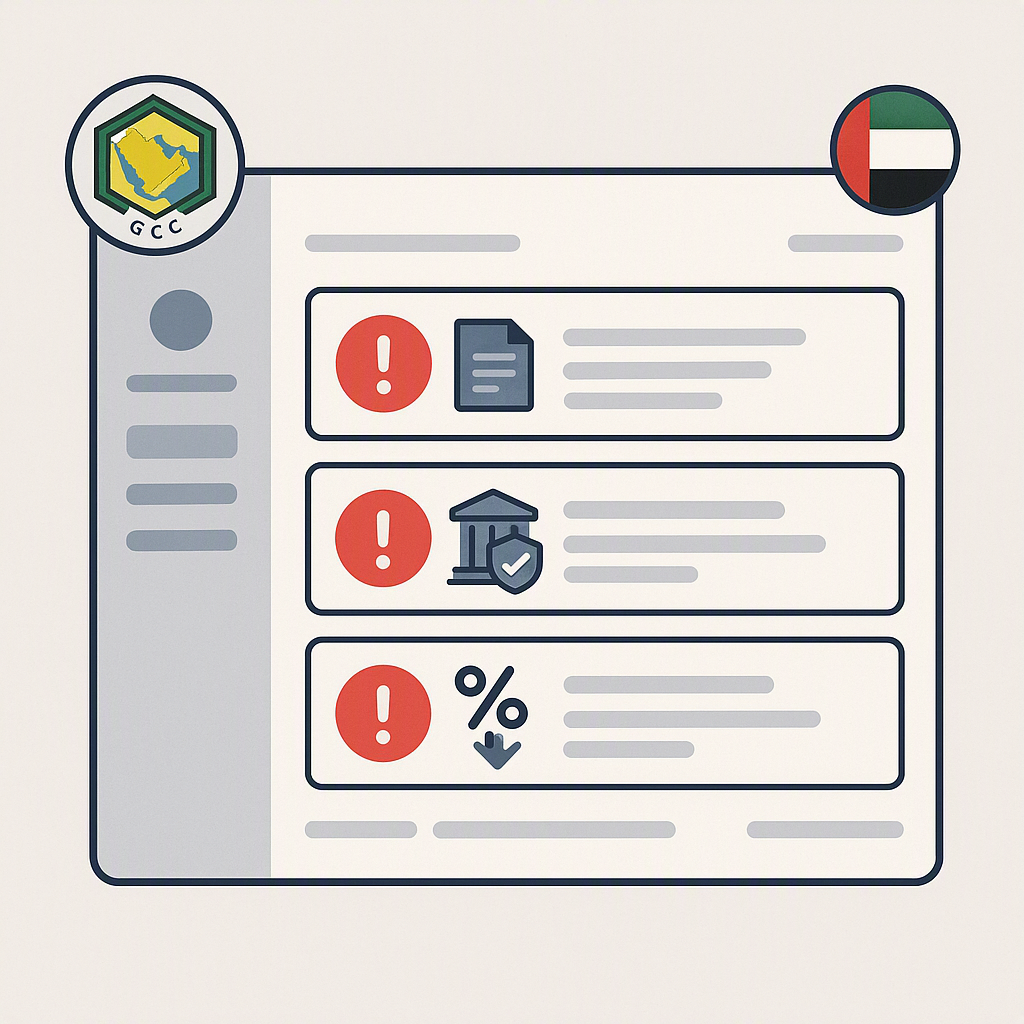
What changed my mind? A project back in 2024. A mid-sized contracting firm in Dubai was struggling to manage maintenance contracts across six high-rise buildings. Each building had different contractors, different schedules, and wildly inconsistent compliance. The result? Overlapping tasks, missed statutory checks, and spiraling costs. When they implemented SFG20, everything changed. They could point to a single, evidence-backed standard for what needed to be done, when, and by whom. Compliance became a non-issue, and costs dropped because they weren’t paying for unnecessary work.

This example struck me because it wasn’t about cutting corners. It was about doing things the right way, at the right time, using the right standards. SFG20, the UK’s industry standard for building maintenance, brings structure to chaos. It’s a set of customizable maintenance schedules covering 1,200+ tasks, backed by decades of data and best practices. Though designed in the UK, its principles apply globally, especially in regions like the GCC, where compliance and cost-efficiency are critical.

---

## Why SFG20 Is a Game-Changer for Hard FM

Let’s break down why SFG20 matters:

### 1. Compliance Simplified

Many statutory maintenance tasks are non-negotiable. In the GCC, for instance, HVAC systems must comply with local building codes like the UAE Fire and Life Safety Code or Saudi Building Code. Lack of compliance can result in hefty penalties or even legal action. SFG20 includes predefined schedules for statutory tasks, taking the guesswork out of compliance.

#### Actionable Steps:
- Identify regulatory requirements specific to your region (e.g., fire safety codes, electrical testing standards).
  - Research government websites and review local building codes to list mandatory inspections for assets like HVAC systems, fire alarms, and electrical installations.
- Match these requirements to SFG20’s predefined statutory maintenance tasks.
  - Example: If legislation requires annual electrical inspections, ensure this aligns with SFG20’s recommended task frequency.
- Use a CAFM (Computer-Aided Facility Management) system to ensure these tasks are scheduled and tracked regularly.
  - Platforms like JobNext or Maximo can help automate task scheduling and maintain compliance logs.

### 2. Cost Efficiency

Over-maintenance can be as damaging as neglect. Why service a system every three months if manufacturers recommend annual checks? SFG20 helps contractors align maintenance with actual needs, saving significant costs without compromising safety.

#### Actionable Steps:
- Audit your current maintenance schedules and compare them to SFG20 recommendations.
  - Example: Cross-check your existing quarterly HVAC servicing against SFG20’s intervals. Adjust as needed to avoid over-servicing.
- Eliminate unnecessary tasks or adjust frequencies to manufacturer-recommended intervals.
  - For instance, lubricating fans quarterly may be overkill; SFG20 might suggest semi-annual lubrication.
- Use SFG20’s customizable features to fine-tune schedules for specific asset types and usage patterns.
  - Example: High-usage assets may still require more frequent checks, which SFG20 accommodates.

### 3. Customizable to Asset Types

Not all assets are created equal. SFG20 allows you to customize schedules based on asset age, usage, and criticality. For example, a new HVAC system in a corporate office will have very different requirements compared to one in a high-humidity warehouse.

#### Example Comparison:
| **Asset**               | **Environment**       | **Recommended Maintenance Frequency** | **Rationale**                          |
|--------------------------|-----------------------|---------------------------------------|----------------------------------------|
| New HVAC system          | Corporate office      | Semi-annual inspections              | Low usage                              |
| Older HVAC system        | High-humidity warehouse | Quarterly inspections                | High wear and tear due to humidity     |
| Fire alarm system        | Multi-tenant building | Monthly functional tests             | Critical for occupant safety           |
| Plumbing system          | Industrial factory    | Bi-annual inspections                | High water usage puts pipes at risk    |

### 4. Auditable Standards

In multi-tenant properties or outsourcing contracts, proving that maintenance was done "by the book" is essential. SFG20 provides a clear, auditable trail for every task, making it easier to defend your work during disputes or inspections.

#### Actionable Steps:
- Use SFG20’s documentation tools to generate task reports.
  - Example: After completing a statutory fire alarm check, generate a timestamped report through your CAFM system.
- Ensure contractors log task completion in real-time.
  - Require them to upload photos or digital signatures as proof of task execution.
- Conduct periodic audits using the SFG20 framework to verify compliance.
  - Example: Use audit logs to compare completed tasks against statutory requirements.

---

## The Problem with Manual Systems (and How to Fix It)

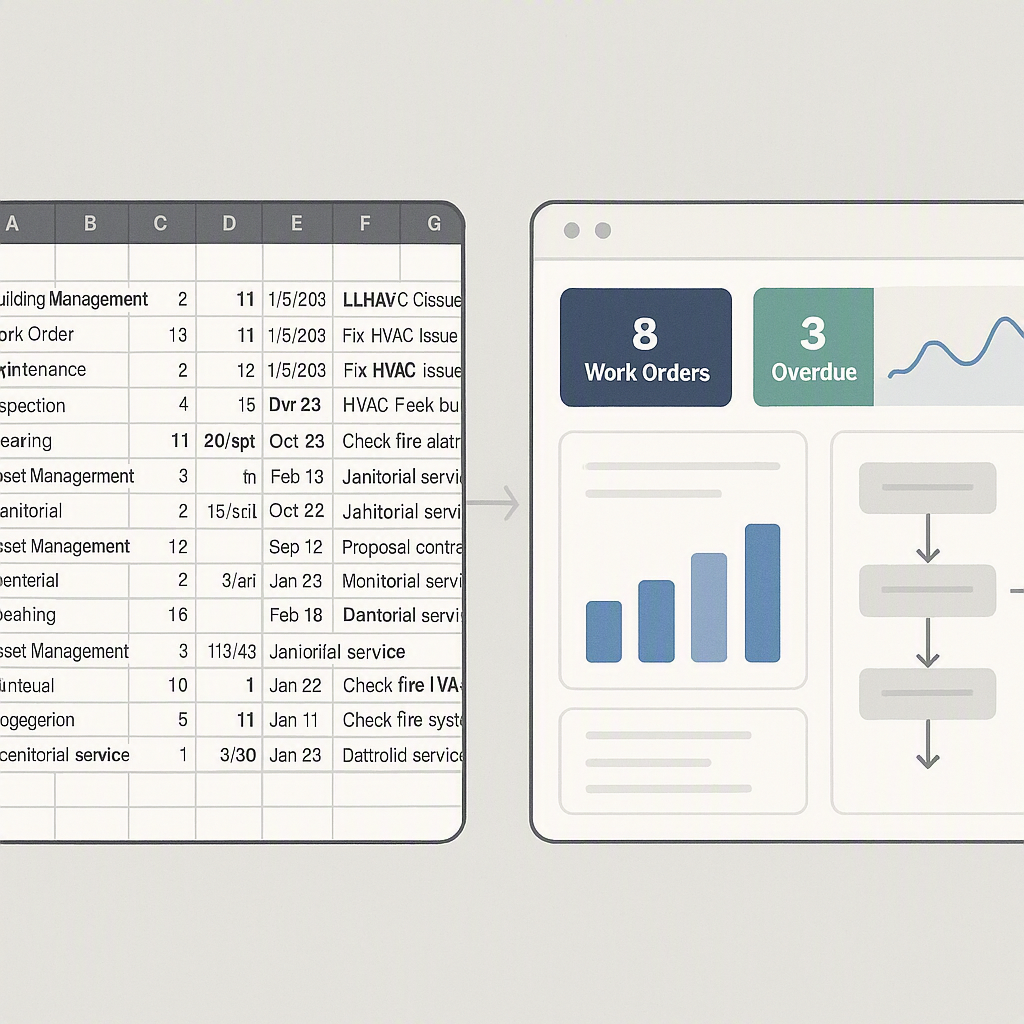
Still running your maintenance schedules on Excel? Stop. Now. Manual systems are a recipe for disaster when managing SFG20 schedules. Here’s why:

### Why Manual Systems Fail:
- **Human Error**: A single missed task can result in fines or equipment failure.
- **Lack of Scalability**: As your portfolio grows, Excel will buckle under the weight of multiple sites, assets, and contractors.
- **No Real-Time Visibility**: You can’t track what’s overdue, in progress, or completed without constant manual updates.

### The Fix: CAFM Integration

Integrating SFG20 into a modern Computer-Aided Facility Management (CAFM) system can solve these issues. A good CAFM platform will automate scheduling, track task completion, and provide real-time compliance dashboards.

#### Example CAFM Solution: JobNext
Take JobNext, for example. It’s a multi-tenant SaaS ERP designed for contractors and FM teams in India and the GCC. With its Equipment & Plant Management module, you can manage the entire asset lifecycle, from procurement to disposal. JobNext also offers preventive maintenance scheduling, which aligns perfectly with SFG20’s task library. You can set up recurring tasks, track compliance, and even allocate maintenance costs to specific jobs or sites.

#### Key Features:
- **Fleet Management Dashboard**: Tracks maintenance history, utilization rates, and cost per hour for each asset.
- **Preventive Maintenance Scheduling**: Automates recurring tasks based on SFG20 schedules.
- **Real-Time Asset Tracking**: Provides visibility into equipment status and compliance metrics.

[See how real-time asset tracking saves margins →](https://jobnext.ai/blog/why-contractors-lose-margins-without-real-time-asset-tracking)

---

## Common Challenges When Implementing SFG20

Adopting SFG20 isn’t all smooth sailing. Here are the hurdles we’ve seen contractors face, along with practical fixes:

### 1. Incomplete Asset Registers
You can’t maintain what you don’t know exists. Many contractors struggle with incomplete or outdated asset registers, making it impossible to implement SFG20 effectively.

#### Fix:
- Conduct a comprehensive asset audit.
  - Use digital tools to catalog assets, including age, model, and condition.
- Use tools like JobNext’s asset register to log details like make, model, age, and current condition.
- Insist on detailed handovers when inheriting sites.

### 2. Resistance from Contractors
Subcontractors often push back against standardized schedules, arguing that they know better or that the tasks are too time-consuming.

#### Fix:
- Present data showing how SFG20 aligns with industry best practices and manufacturer guidelines.
- Offer training sessions to familiarize contractors with SFG20.
- If resistance persists, switch to contractors who value transparency.

### 3. Integration with Existing Systems
If you’re already using a CAFM or ERP system, integrating SFG20 can feel like adding another layer of complexity.

#### Fix:
- Choose a CAFM platform with built-in SFG20 integration or a flexible API.
- Prioritize systems that allow custom workflows for seamless integration.

### 4. Overwhelming Data
SFG20 provides a lot of information. For some contractors, the sheer volume of tasks and schedules can feel like drinking from a firehose.

#### Fix:
- Start with high-priority assets or statutory tasks.
- Gradually expand implementation as your team becomes familiar with the framework.

---

## FAQ

**Q: Is SFG20 only relevant in the UK?**
A: No. While SFG20 originates in the UK, its principles are widely applicable. In regions like the GCC, where compliance and cost control are critical, SFG20 provides a valuable framework.

**Q: Can SFG20 handle unique assets?**
A: Yes. SFG20 schedules are customizable, allowing you to tailor tasks based on specific asset requirements.

**Q: How does SFG20 help with audits?**
A: SFG20 provides an auditable trail for every maintenance task, making it easier to demonstrate compliance during inspections or disputes.

**Q: What’s the ROI on implementing SFG20?**
A: The ROI comes from reduced maintenance costs, extended asset lifespans, and fewer compliance penalties. While exact figures depend on your operations, most contractors see significant savings within the first year.

**Q: How do I convince my team to adopt SFG20?**
A: Focus on the benefits: fewer compliance risks, lower costs, and more predictable workloads. Use data to back up your case.

---

## Final Thoughts

If you’re serious about optimizing hard FM operations, SFG20 is the gold standard. Pair it with a modern CAFM platform like JobNext, and you’ve got a powerful solution for compliance, cost control, and asset longevity.

[Learn more about how JobNext supports asset lifecycle management →](https://softnextsolutions.com/)
Learn more at JobNext.ai