Hard FM vs Soft FM: The Hidden Margin Problem
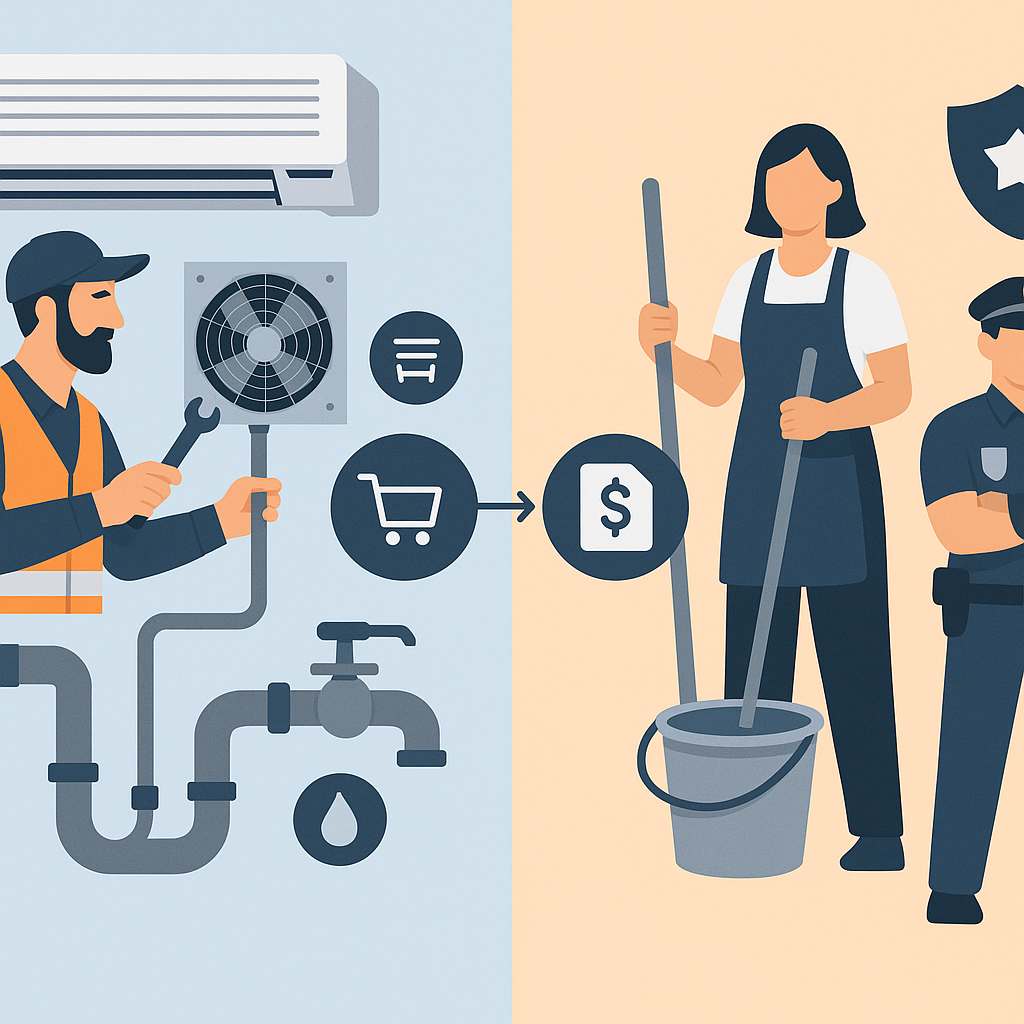
Facilities management goes beyond fixing equipment or cleaning offices — it’s a strategic margin game. Hard FM (hard services like HVAC, plumbing, and electrical systems) and Soft FM (soft services like cleaning, security, and catering) might seem distinct, but both share a brutal reality: poor coordination drains profits.
Many contractors in India, the GCC, and beyond juggle multiple Hard and Soft FM projects simultaneously. However, fragmented systems often result in revenue leaks due to billing errors, procurement inefficiencies, and compliance gaps. This article explores key challenges, actionable solutions, and why unified systems are essential for contractors to thrive.
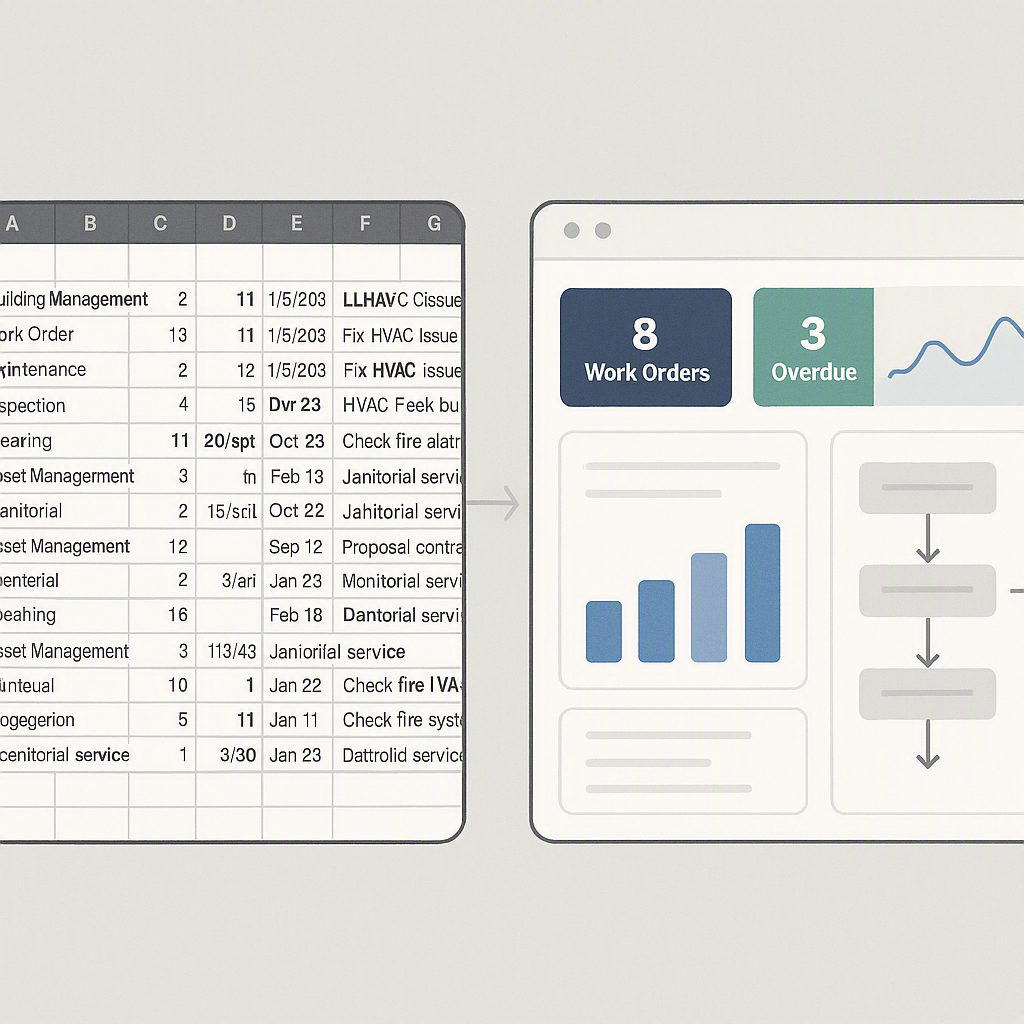
Why Disconnected Systems Hurt Contractors
The Real-World Impact of Mismanaged Systems
Imagine you’re managing Hard FM services for a large mall in Dubai while simultaneously overseeing Soft FM operations for a residential complex in Mumbai. You’re dealing with multiple vendors, different billing formats, and scattered approval workflows. What happens when your procurement team accidentally duplicates a purchase order or misses a compliance deadline for VAT? Margins erode — fast.
Here’s a concrete example: A study by JobNext found that contractors lose ₹25 lakh annually due to manual procurement chaos alone. Why? Disconnected systems for material requisition, billing, and compliance create an environment where errors multiply.
Breakdowns in Hard FM and Soft FM
-
Billing Errors: Hard FM contracts often rely on measurement-based billing (e.g., payment tied to measurable progress, such as HVAC installations), while Soft FM contracts may use fixed-rate or hourly billing. Without integrated platforms, contractors risk errors in invoicing, leading to delayed payments and client disputes.
-
Procurement Chaos: Hard FM procurement typically requires structured workflows (e.g., Material Requisition → Request for Quotation → Purchase Order), while Soft FM often involves ad-hoc ordering (e.g., cleaning supplies). When these processes are siloed, duplicate orders and missed deadlines are inevitable.
-
Compliance Burdens: Hard FM services must meet stringent safety codes, while Soft FM faces labor law compliance challenges. Tracking these diverse requirements manually is both inefficient and error-prone.
Hard FM vs Soft FM: Key Differences
Let’s break down the core distinctions between Hard FM and Soft FM to understand their unique challenges and needs.
| Feature | Hard FM | Soft FM |
|---|---|---|
| Focus | Infrastructure, equipment maintenance | People-centric services |
| Examples | HVAC systems, elevators, plumbing | Cleaning, security, landscaping |
| Compliance Needs | Safety certifications, structural codes | Labour laws, service contracts |
| Billing Complexity | Measurement-based billing | Fixed-rate or hourly billing |
| Procurement Challenges | Equipment and spare parts sourcing | Consumables and staffing |
Actionable Tip: Build Specialized Teams
Given these differences, it’s critical to have specialized teams for Hard FM and Soft FM within your organization. Equip them with tools and training tailored to their workflows but ensure they collaborate through a unified system.
Case Study: Hard and Soft FM Integration in Action
The Problem
A contractor managing both Hard FM and Soft FM services for a mixed-use development in Oman faced two major roadblocks:
-
Billing Errors: Hard FM projects required measurement-based billing, while Soft FM contracts used fixed monthly rates for cleaning services. Their outdated systems couldn’t reconcile these methods, leading to missed invoices and frequent client disputes.
-
Procurement Chaos: Hard FM procurement workflows were detailed and structured, but Soft FM relied on ad-hoc ordering for consumables like cleaning supplies. This lack of standardization caused duplicate orders and delays.
The Solution
They adopted JobNext, a unified platform designed for FM contractors. Here's how it transformed their operations:
- Streamlined Billing: JobNext supported six billing methods, allowing the contractor to manage both measurement-based and fixed-rate billing accurately.
- Integrated Procurement: The platform’s structured workflows (Material Requisition → RFQ → PO) eliminated duplicate orders and ensured timely procurement.
The Results
- Billing disputes dropped by 80% within three months.
- Procurement delays reduced by 40%, improving project timelines.
- The contractor reported a 15% increase in overall margins within the first year.
Why Contractors Need Unified Systems
Disconnected tools aren’t just inconvenient — they’re expensive. Here’s why a unified platform is non-negotiable for FM contractors:
1. Eliminate Billing Errors
With a unified system, you can standardize invoicing across all projects. Whether it’s measurement-based billing for Hard FM or fixed-rate billing for Soft FM, the system ensures accuracy every time.
2. Streamline Procurement
Integrated procurement workflows prevent common mistakes like duplicate orders and missed deliveries. A centralized system allows you to track every purchase order across projects, ensuring nothing slips through the cracks.
3. Ensure Compliance
From safety certifications in Hard FM to labor compliance in Soft FM, unified platforms offer automated reminders and tracking to keep you ahead of deadlines.
4. Improve Visibility
Real-time dashboards give you a bird’s-eye view of project profitability, costs, and compliance status across all Hard FM and Soft FM operations.
What Contractors Should Look For in an ERP
When choosing an ERP for facilities management, prioritize these features:
- Multi-Billing Support: Ensure the system handles diverse billing methods (measurement-based, fixed-rate, stage-wise, etc.).
- Procurement Workflows: Look for structured processes that prevent errors (e.g., Material Requisition → RFQ → PO).
- Compliance Tracking: Dual GST for India and GCC VAT support is non-negotiable.
- Real-Time Dashboards: Visibility into project profitability across Hard FM and Soft FM services.
- Scalability: The system should adapt as your operations expand.
Comparison Table: Traditional Tools vs Unified Platforms
| Feature | Traditional Tools | Unified Platforms |
|---|---|---|
| Billing | Manual, error-prone | Automated, multi-method support |
| Procurement | Disconnected, scattered workflows | Centralized, standardized workflows |
| Compliance Tracking | Manual reminders | Automated alerts and tracking |
| Visibility | Limited, siloed | Real-time, centralized dashboards |
| Scalability | Difficult to scale | Easily handles multiple projects |
FAQ
Q: What’s the biggest challenge in Hard FM?
A: Compliance gaps. Missing safety certifications or structural code deadlines can result in hefty fines and project delays. Automated compliance tracking is essential to mitigate this risk.
Q: How does Soft FM risk margins?
A: Labor compliance and unstructured procurement are the biggest culprits. Missing deadlines for statutory deductions like PF and ESI can lead to penalties, while ad-hoc ordering inflates costs.
Q: Can one system handle both Hard FM and Soft FM?
A: Yes. Platforms like JobNext are specifically designed to integrate both services, combining procurement, billing, and compliance workflows into one system.
Q: How do I transition from manual systems to a unified platform?
A: Start with a phased approach. Begin by integrating procurement workflows, then add billing and compliance tracking. Most platforms offer training and support to ease the transition.
Q: What’s the ROI of switching to a unified FM system?
A: Contractors report up to a 15–25% increase in margins within the first year due to reduced errors, improved efficiency, and better compliance.
Call to Action
If you’re managing Hard FM and Soft FM services and struggling with margin erosion, it’s time to switch to a unified system. JobNext combines procurement, billing, compliance, and HR workflows into one easy-to-use platform. Get started free →
Learn more at JobNext.ai