AI in ERP: A Game-Changer for Contractors?
Let’s face it: contractors don’t have it easy. Margins are razor-thin, projects run over budget, and manual processes often lead to costly errors. One of the biggest culprits? Revenue leakage. Think about billing — whether it’s RA bills, stage-wise payments, or one-off contracts, there’s a shocking amount of room for mistakes or outright omissions. AI in Enterprise Resource Planning (ERP) systems is finally offering a way out.
Where Contractors Lose Revenue
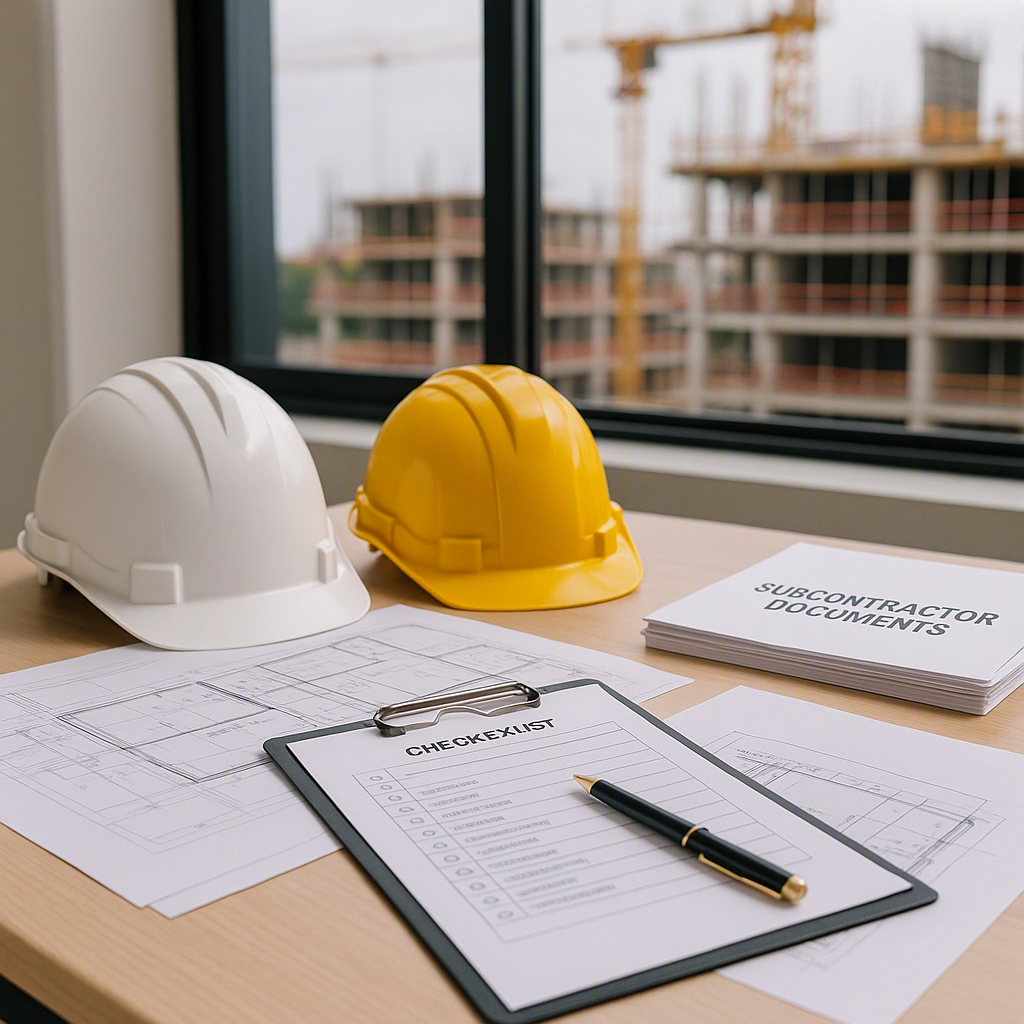
We’ve seen it too many times. A subcontractor finishes work, but the measurements aren’t reconciled properly. Or an RA bill is delayed because someone forgot to log the latest progress report. Suddenly, payments are late, cash flow dries up, and you're left scrambling to recover what’s owed. According to a KPMG study, 69% of construction projects exceed budgets, with billing errors being a major contributor. Can AI fix this? Yes, but only if it’s built into the right systems.
AI-Powered Billing: A Real Solution
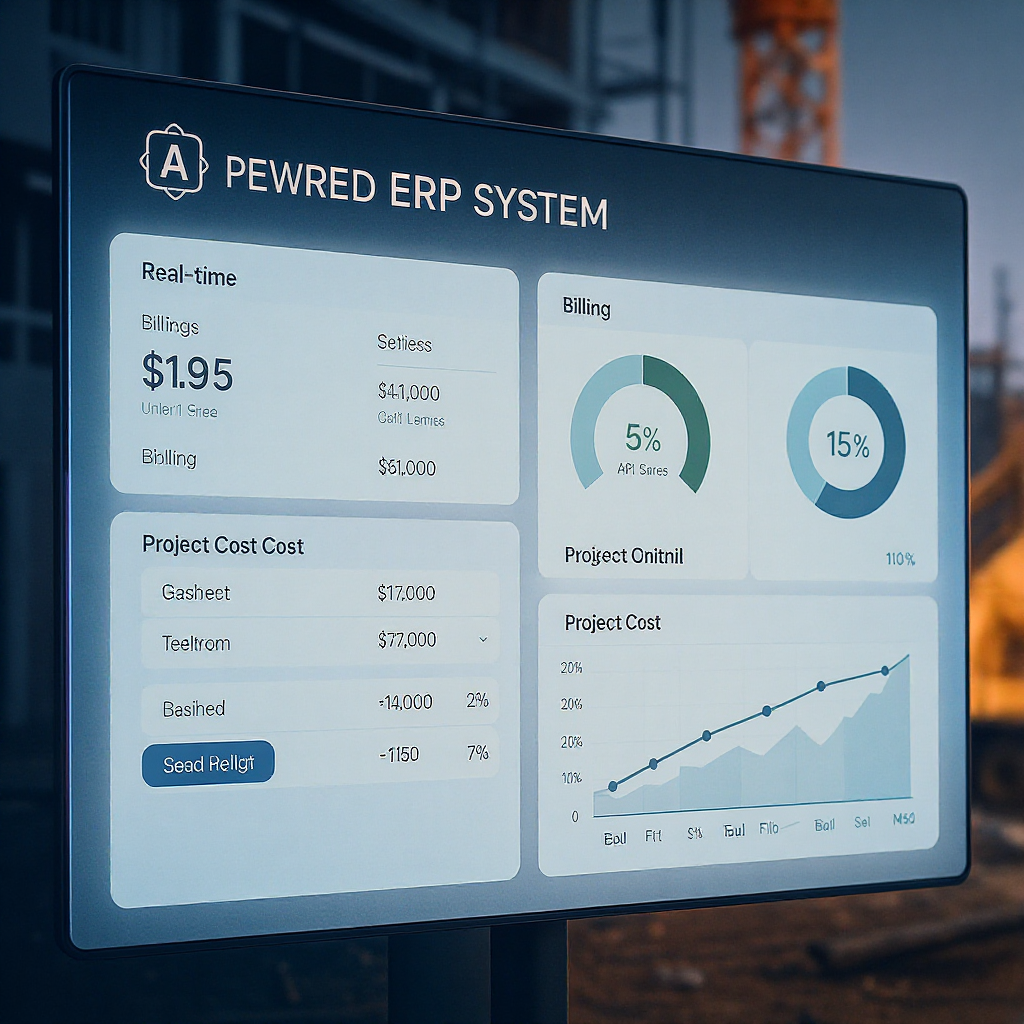
JobNext’s ERP system tackles revenue leakage head-on by embedding AI directly into the billing process. Here’s how it works:
- Automated Billing Checks: The AI cross-references work completed (like measurements or BOQ progress) against the contract terms. If anything’s missing, it flags it before the bill is even generated.
- Prediction of Billing Delays: AI algorithms analyze historical data to predict which bills are likely to get stuck in approval loops, giving you a chance to intervene early.
- Six Billing Models: Whether you’re doing RA bills, stage-wise billing, or supply BOQ, the system ensures no revenue slips through the cracks.
We’ve seen firsthand how contractors turn things around. For instance, in our case study on Al Nab’a Services, automated billing workflows reduced the revenue leakage that plagued their 1,200-site operations. They saved days per billing cycle and captured payments they’d previously missed entirely.
AI vs. Traditional ERP
So, what’s the big deal about AI-powered ERP compared to traditional systems? Let’s break it down:
| Feature | Traditional ERP | AI-Powered ERP |
|---|---|---|
| Billing Accuracy | Manual, error-prone | Automated, error-checked |
| Predictive Insights | None | Forecasts delays/issues |
| Real-Time Adjustments | Limited | AI adapts to changes |
| Vendor Offer Evaluation | Manual comparison | AI ranks best options |
| Cost of Errors | High | Minimal |
AI doesn’t just replace manual processes — it makes them smarter. For example, AI can prioritize RFQs and POs by analyzing vendor performance history. Traditional systems? They just store data.
Why This Matters Now
Here’s the thing: the GCC construction market alone is on track to hit $175 billion by 2025 (source). But with growth comes complexity. Contractors managing multi-country operations already face compliance risks, billing headaches, and procurement chaos. Without AI-driven tools, staying profitable is like fighting with one hand tied behind your back.
Practical Takeaways
- Start with Billing: If you’re implementing AI in ERP, billing is a no-brainer. Revenue leakage has an immediate impact on cash flow, and AI-powered checks can stop the bleeding quickly.
- Focus on Historical Data: AI is only as good as the data you feed it. Make sure your ERP system can pull from historical billing records, vendor performance, and project timelines.
- Look for Flexibility: Your ERP should handle multiple billing models seamlessly. This is where platforms like JobNext excel.
The Bottom Line
AI in ERP isn’t just hype — it’s the logical next step for contractors trying to stay competitive. Whether it’s billing, procurement, or compliance, AI-powered insights can make the difference between a profitable project and a financial disaster. Want to see it in action? Check out our guide to construction ERP implementation for tips that actually work.
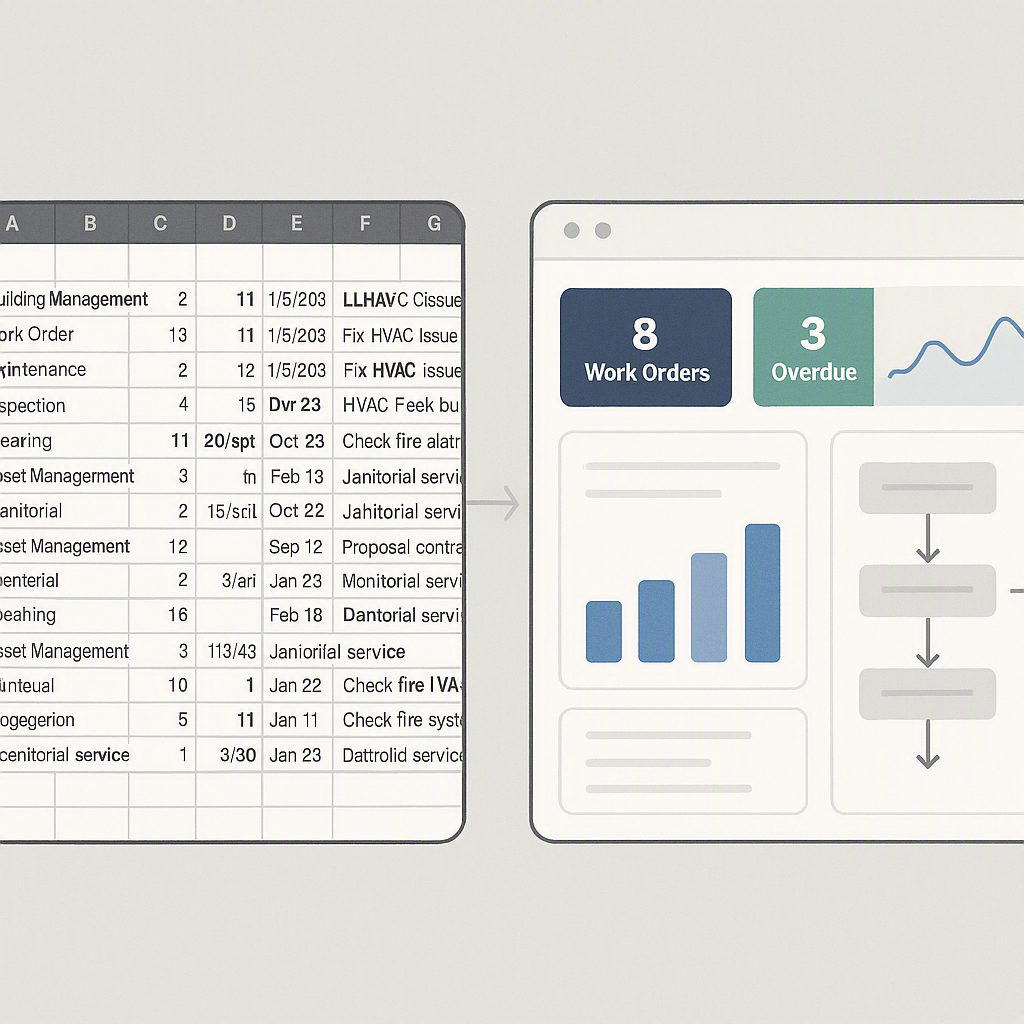
If you’re still relying on spreadsheets or outdated systems, it’s time to upgrade. The cost of doing nothing is too high. And honestly, why keep leaving money on the table when smarter tools are within reach?
Ready to see JobNext in action?
Multi-tenant SaaS ERP for construction, facilities management, and contracting — covering preconstruction, project execution, procurement, HR & payroll, equipment, finance, and 150+ analytics reports.
Get Started Free →Learn more at JobNext.ai