Why Multi-Site HR is a Contractor’s Achilles' Heel
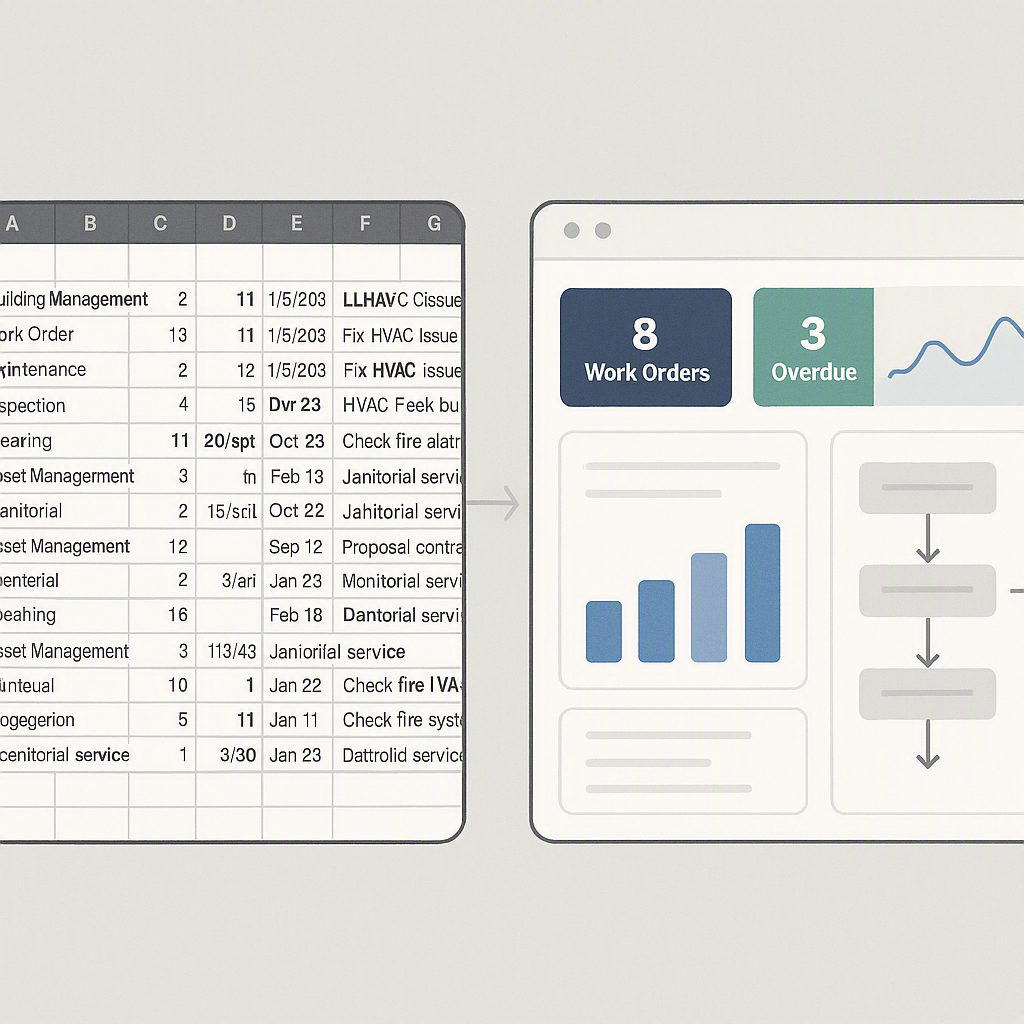
If you’ve ever tried managing payroll for a workforce spread across multiple project sites, you know the pain. Attendance gets tracked (or not) on random Excel sheets. Leave requests float in emails. Payroll errors? They’re inevitable.
For contractors in industries like MEP, HVAC, and civil engineering, the problem multiplies. With teams moving between sites, labor camps, and sometimes even countries, keeping track of who worked where—and for how long—becomes a logistical nightmare. And if you’re operating in regions like the GCC, compliance with local laws (think WPS in UAE or GCC VAT) adds another layer of complexity.
The result? Payroll delays, compliance risks, and frustrated employees. But it doesn’t have to be this way.
The Smarter Login: JobNext’s Multi-Site HR in Action
Here’s where a purpose-built ERP like JobNext comes in. Unlike generic software that treats HR and payroll as afterthoughts, JobNext integrates these functions into its core. Let’s break it down.
Role-Based Access and Site-Level Data Segmentation
With JobNext’s multi-tenant architecture, every contractor gets their own secure login environment. But it doesn’t stop there. Role-based access ensures that site managers only view data relevant to their projects. For example, a site foreman in Oman doesn’t need access to payroll data for a site in Riyadh. It’s all about reducing clutter and increasing accountability.
Attendance and Leave Management Across Sites
Forget manual attendance registers. JobNext lets you track attendance using digital tools that sync directly with payroll. Employees clock in and out on-site, and the data flows seamlessly into leave balances and payroll calculations.
And leave requests? Employees submit them through their login dashboards, triggering automated workflows for approvals. No more chasing signatures.
Why Contractors Should Care
If you’re still using disconnected tools—or worse, spreadsheets—you’re leaving money on the table. Payroll errors, compliance fines, and employee dissatisfaction aren’t just operational issues. They’re margin killers.
As we highlighted in this JobNext article on GCC contractor profitability, real-time data integration isn’t a luxury. It’s a necessity, especially in competitive markets.
Frequently Asked Questions
Q1: Can JobNext handle payroll across multiple currencies?
Yes. JobNext supports multi-currency payroll, making it ideal for contractors operating in regions with dual GST (India) or GCC VAT regulations.
Q2: What about compliance with local labor laws?
JobNext includes features like WPS-compliant payroll and statutory deductions (PF, ESI, GST), ensuring you stay on the right side of the law.
Q3: How easy is it to onboard employees into the system?
The platform allows bulk uploads of employee data, and its role-based access ensures that everyone—from site managers to HR teams—can get started quickly.
Common Mistakes to Avoid
- Ignoring Role-Based Access: Giving everyone blanket access creates data security risks. Use role-based permissions.
- Not Automating Leave Approvals: Manual leave tracking leads to payroll errors. Automate it.
- Skipping Compliance Features: Non-compliance isn’t just risky—it’s expensive. Use tools that prioritize statutory reporting.
If payroll and attendance tracking across multiple sites is eating into your margins, it’s time to rethink your ERP. JobNext simplifies multi-site HR for contractors. Get started today.
Learn more at JobNext.ai