EPC Contractors Are Bleeding Margins — Here’s Why
Subcontractor billing is a mess for most EPC contractors. Measurements get delayed, retention amounts are forgotten, and recovery deductions are inconsistent. The result? Overpayments, disputes, and margin erosion.
We hear this all the time from contractors in India and the GCC. One managing director of an MEP firm shared how manual billing cost them ₹30 lakh over three projects — all because measurement approvals weren’t properly tracked.
It’s not just anecdotal. A 2023 McKinsey report highlighted that improper subcontractor management is one of the top reasons construction projects exceed budgets. The math is brutal: every delayed payment cycle adds interest costs, while disputes over measurements delay progress and damage contractor-subcontractor relationships.
Subcontractor Billing Chaos: A Closer Look
To understand why subcontractor billing issues are so pervasive, let’s break down the typical pain points observed in EPC projects:
1. Delayed Measurements
Measurements are the core of subcontractor billing. If site supervisors or project managers delay approving completed work measurements, the entire payment cycle gets stuck. For example, one construction firm in Bangalore reported that a two-month delay in approving measurements for a ₹5 crore project led to subcontractor disputes and penalties of ₹12 lakh.
2. Retention Amounts Ignored
Retention amounts are critical for ensuring subcontractors complete their work to agreed-upon standards. However, many contractors struggle to track these amounts. A UAE-based infrastructure contractor found that 15% of their retention pool was mistakenly paid out due to poor record-keeping, costing them AED 500,000 over a year.
3. Inconsistent Recovery Deductions
Material recoveries, liquidated damages, and other deductions often fall through the cracks. A manufacturing plant contractor in Gujarat shared how inconsistent recovery tracking led to disputes with subcontractors over ₹8 lakh in undeducted material costs.
The cumulative impact of these issues? Shrinking margins, project delays, and damaged relationships.
The Fix: Measurement-Based Billing
What’s the solution? Structured workflows that connect real-time progress tracking with payment processing. This isn’t just theory — it’s built into platforms like JobNext, which automates subcontractor billing through a four-step chain:
- Work Requisition (WR): Budget-validated service requests for subcontractor work.
- Request for Proposal (RFP): Competitive bidding with structured comparisons.
- Work Order (WO): Formal contracts linked to project scopes, recovery provisions, and material provisioning.
- Measurement Sheets: A three-tier system (Header, Detail, Dimensions LxBxHxNumber) ensures no payment is processed without approved measurements.
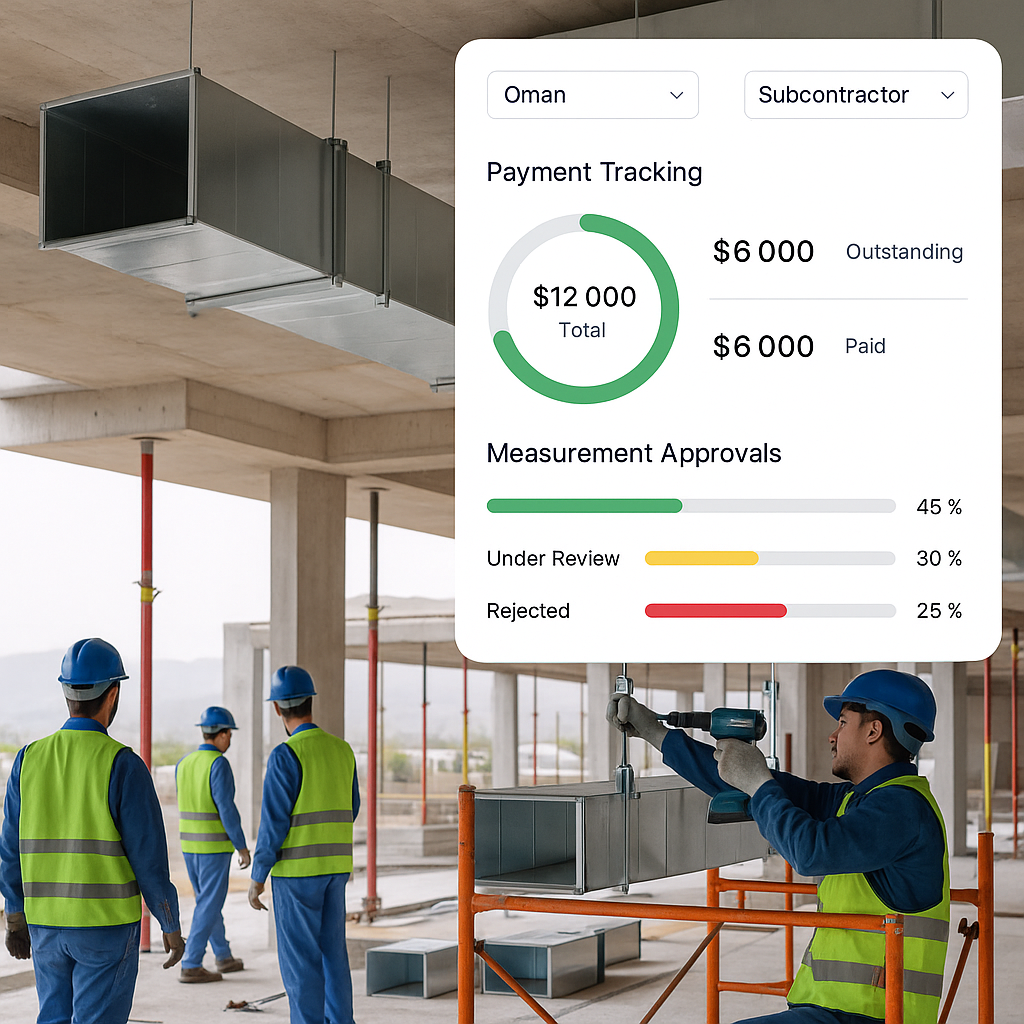
Let’s break that down practically. Say you’re running an HVAC project in Oman. The subcontractor installs ducting, but delays submitting measurements. Without a system tracking these approvals, you’re stuck — either overpaying or halting payments entirely. JobNext prevents this by locking payment workflows to approved measurement sheets, ensuring deductions like retention and recoveries are automatically applied.
Real Examples: ₹25 Lakh Saved
Contractors using measurement-based billing have reported significant savings. Here are two real-world examples:
Example 1: Interior Design Firm in Dubai
An interior design firm reduced overpayments by ₹25 lakh across five projects in Dubai. Their issue? Subcontractors were frequently submitting inflated measurement claims. With JobNext, automated deduction workflows flagged discrepancies between subcontractor claims and approved measurements, ensuring accurate payments.
Example 2: Infrastructure Project in Saudi Arabia
A road construction project in Riyadh faced challenges with material recoveries. Using manual processes, they often missed deducting costs for contractor-supplied materials like asphalt and concrete. After switching to a measurement-based billing workflow, the contractor streamlined recovery deductions, saving SAR 1.2 million in a single financial year.
Why Manual Processes Fail
You might be thinking, “We already track measurements manually.” But here’s why manual processes consistently fail:
1. Human Error
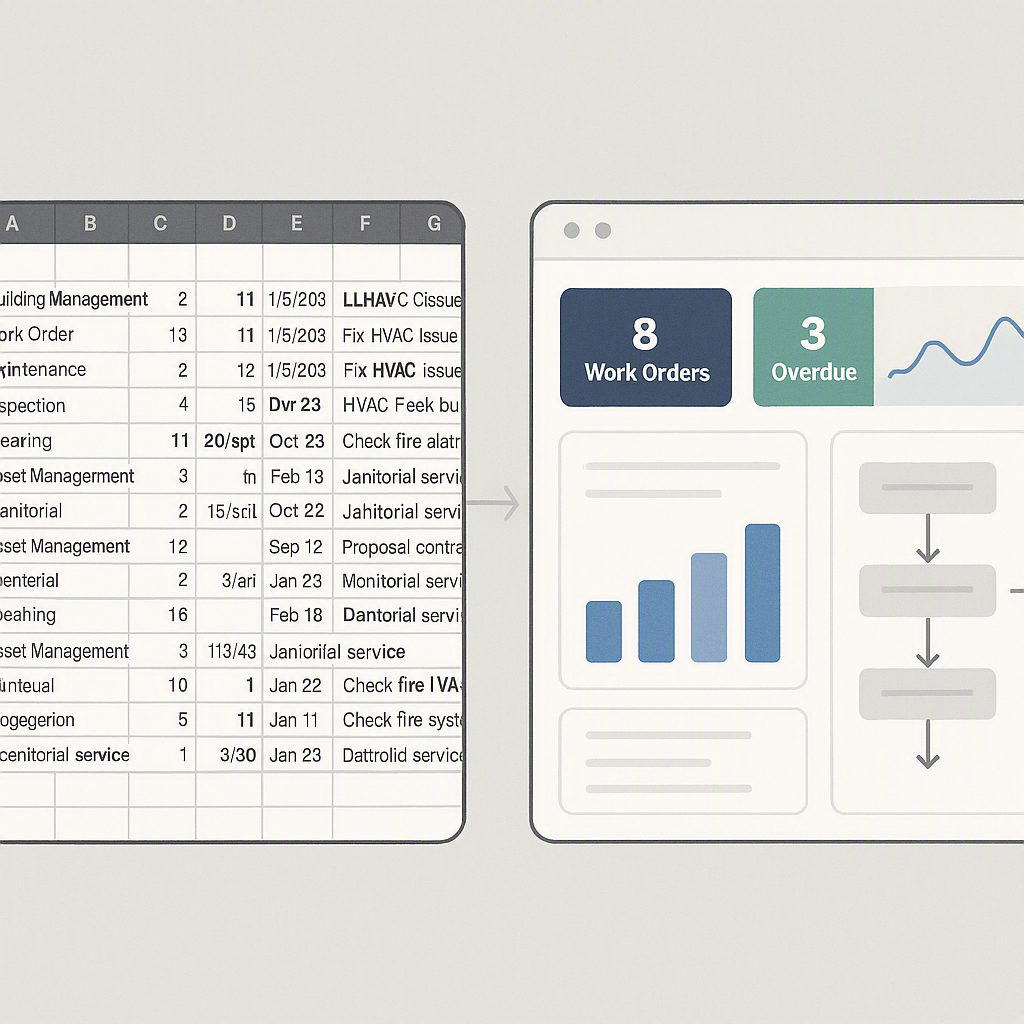
Manual records are prone to errors. Teams forget to reconcile material usage, skip steps in the approval process, or apply deductions inconsistently. For example, a utility contractor in Pune shared how a ₹10 lakh billing error occurred when a site engineer entered incorrect dimensions in an Excel sheet.
2. Lack of Transparency
Subcontractors often don’t have access to real-time data on their claims or deductions. This creates unnecessary disputes. Platforms like JobNext solve this by providing subcontractors with their own dashboards, fostering transparency and accountability.
3. Missed Deadlines
When approvals rely on manual follow-ups, it’s easy for deadlines to slip. This not only delays payments but also risks damaging relationships with subcontractors. Structured workflows automate reminders and escalation protocols to prevent such delays.
Structured Workflows: The Competitive Advantage
In addition to saving costs, structured workflows offer several operational and strategic benefits:
Operational Benefits
- Improved Accuracy: Automated checks reduce errors in measurements and billing.
- Faster Approvals: Streamlined workflows cut approval times by up to 50%.
- Seamless Recoveries: Material costs, liquidated damages, and other deductions are applied automatically.
Strategic Benefits
- Cash Flow Forecasting: Visibility into pending payments helps finance teams anticipate cash flow needs.
- Better Relationships: Transparent workflows build trust with subcontractors, enhancing long-term cooperation.
- Competitive Edge: Firms that adopt structured workflows consistently outbid competitors by reducing overhead costs.
Industry Context: Why This Matters Now
The global construction market is tightening. According to Reuters, rising material costs and labor shortages are squeezing margins for contractors. Here are some key trends:
- Material Price Inflation: Steel, cement, and other key materials have seen price increases of 15-20% year-over-year in some markets.
- Labor Shortages: Skilled labor shortages are driving up subcontractor rates, especially in the GCC region.
- Increased Competition: With tighter margins, firms that operate efficiently are more likely to win bids.
Structured workflows like JobNext’s aren’t just a nice-to-have—they’re essential for surviving and thriving in this environment.
Comparison Table: Manual vs. Measurement-Based Billing
| Feature | Manual Billing | Measurement-Based Billing |
|---|---|---|
| Error Rate | High (prone to human error) | Low (automated checks) |
| Approval Time | Slow (manual follow-ups) | Fast (automated workflows) |
| Recovery Deductions | Inconsistent | Seamless and automatic |
| Transparency | Low | High |
| Subcontractor Disputes | Frequent | Rare |
| Cash Flow Visibility | Poor | Excellent |
FAQ
Q: How much time does measurement-based billing save?
A: Contractors using structured workflows report saving 6-8 hours per project cycle by automating measurement approvals and recovery deductions.
Q: What if subcontractors resist these workflows?
A: Transparency is key. Platforms like JobNext allow subcontractors to access their own dashboards, streamlining communication and reducing disputes.
Q: Does measurement-based billing work for small projects?
A: Absolutely. Even small projects benefit from automating recoveries and approvals, especially when subcontractors are shared across multiple sites.
Q: Is JobNext suitable for all construction types?
A: Yes. JobNext supports a wide range of construction types, including residential, commercial, and infrastructure projects.
Q: How do I get started with measurement-based billing?
A: Platforms like JobNext offer free trials to help contractors transition from manual processes to automated workflows. Start small with a single project and scale up as needed.
Call to Action
If subcontractor billing chaos is draining your margins, JobNext can help. Automate measurement-based billing and recover ₹25 lakh annually. Get started free →
Learn more at JobNext.ai