The Silent Killer of Contractor Margins
Most mid-market contractors don't realize they're losing money until it's too late. Margins disappear quietly—one small oversight at a time. A material purchase that exceeds the budget by 5%. A subcontractor invoice that wasn't verified against progress. An unbilled BOQ (Bill of Quantities) item that slips through the cracks.
Add these up across multiple projects, and the losses are staggering. A 2023 McKinsey report estimated profit leaks cost contractors in India and GCC between ₹40 and ₹50 lakh annually, depending on project scale. And that's just what they know about. The reality? Likely worse.
Why Real-Time Profitability Tracking Matters
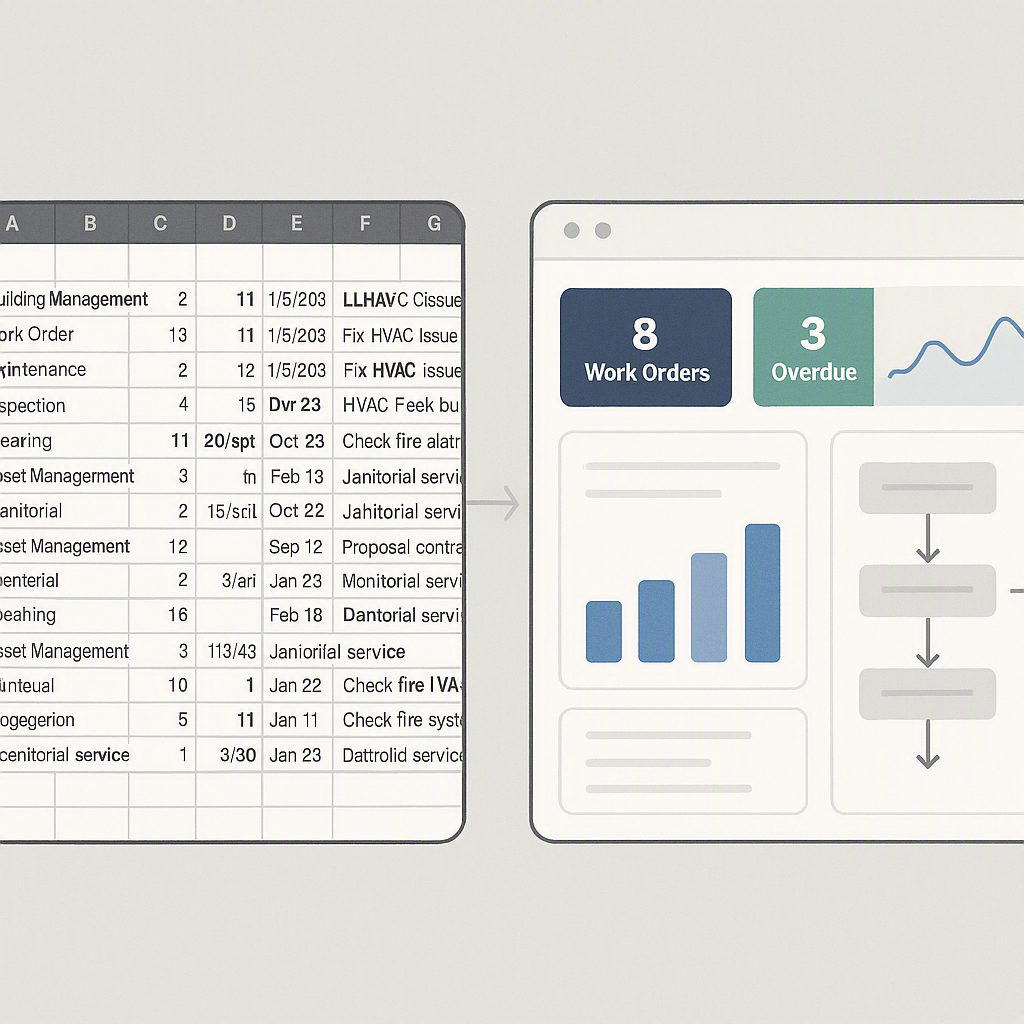
Here's the problem: most contractors rely on outdated tools—spreadsheets, disconnected accounting software, or generic ERPs that don't understand BOQs or project scopes. These systems are reactive. They show you the damage after it's done.
Real-time profitability tracking flips the script. Instead of looking backward, you're constantly monitoring cost vs. budget across BOQ items, scopes, and estimates. When a margin starts shrinking, the system raises a flag immediately. You can course-correct before it spirals out of control.
For example, JobNext’s analytics module includes a BOQ Rate Analysis report that compares quoted rates, scheduled rates, and actual costs across projects. If the actual cost rate exceeds the budgeted rate by more than 10%, the system alerts you to investigate procurement or resource allocation.
Real-Life Case Study: A Saved ₹15 Lakh
Take the example of an HVAC contractor managing a ₹3 crore residential project. During the third month of execution, their JobNext system flagged a 12% variance between the quoted BOQ rate and the actual procurement cost for ductwork materials. On further investigation, they discovered that a supplier had adjusted prices without notice. Without the alert, this ₹15 lakh discrepancy would have gone unnoticed, eroding project profitability.
What Real-Time Tracking Looks Like
Let’s break it down:
1. Variance Analysis
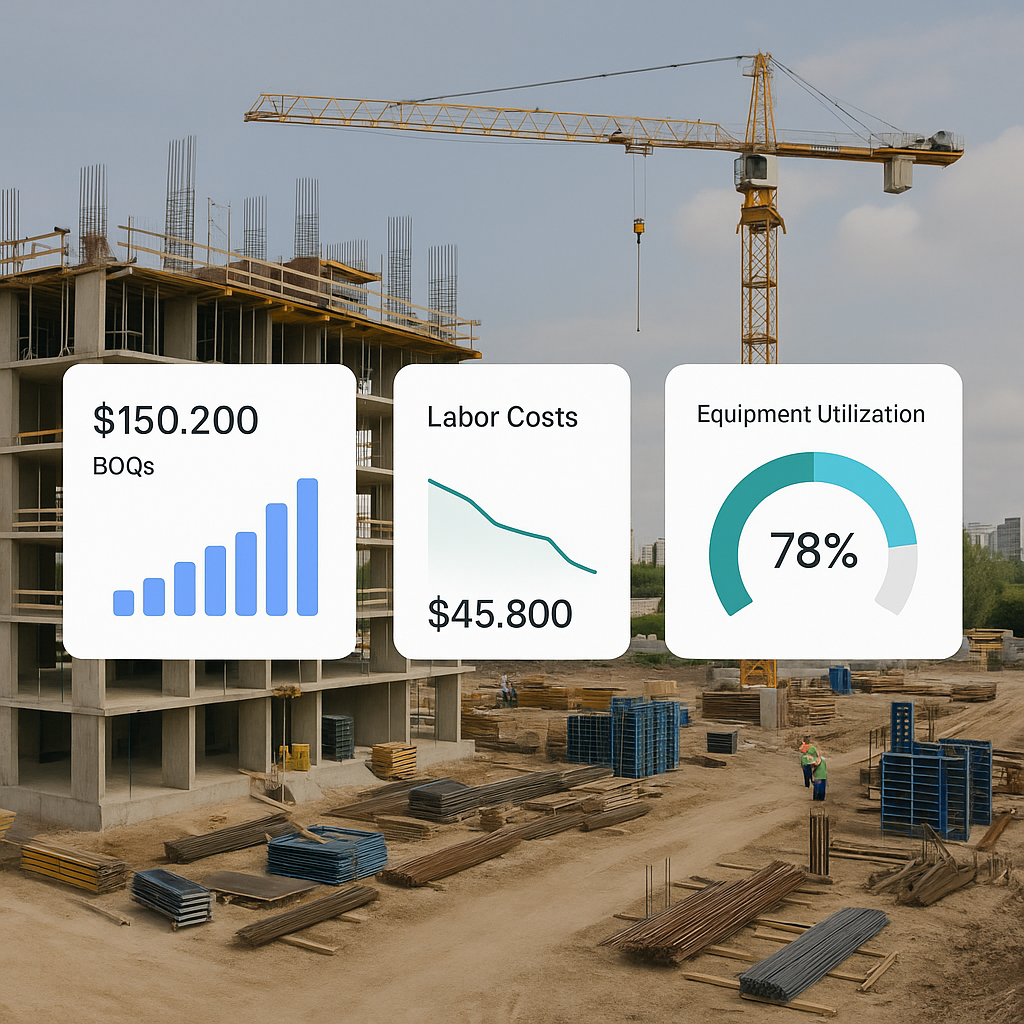
JobNext tracks five rate dimensions for every BOQ item: quoted, billing, scheduled, budgeted, and actual. This allows contractors to pinpoint exactly where costs are exceeding estimates—whether it's material, labor, or equipment. Consider a construction company in the GCC managing multiple high-rise projects. Their analysis showed that labor costs were exceeding budgets by an average of 8% due to underreported overtime hours. Real-time tracking helped them enforce strict overtime policies, saving ₹20 lakh annually.
2. Resource Reconciliation
This feature compares budgeted vs. actual costs across labor, material, plant, subcontractor, and overhead categories. For example, an interior design contractor saved ₹10 lakh by identifying discrepancies in subcontractor invoices for carpentry work. A high-level summary shows each job's profitability status, while detailed reports drill into specific resource types.
3. Real-Time Alerts
The system doesn’t just generate reports—it actively monitors your project and sends alerts when costs deviate from approved budgets. For example, if a subcontractor requests payment for work that exceeds the BOQ, you’ll know before any funds are disbursed. This proactive approach saved a firefighting contractor ₹8 lakh that would have been lost to unverified claims.
Practical Example: Fixing BOQ Margin Erosion
Imagine this scenario: you're running a ₹5 crore interior design project. The BOQ budget for paint is ₹50 lakh. Two months in, your procurement team orders ₹60 lakh worth of paint without updating the budget. The finance team doesn’t catch it because the invoice matches the PO.
By the time the project completes, you realize your margins have shrunk by ₹10 lakh. But it’s too late to recover.
With JobNext, this wouldn’t happen. The system enforces budget discipline at every stage—purchase orders can’t exceed the approved BOQ amount. If procurement tries to place an order for ₹60 lakh, the system blocks it and alerts the project manager for approval. That’s ₹10 lakh saved right there.
Actionable Steps for Contractors
-
Audit Your Current Tools: Are you relying on spreadsheets, manual tracking, or generic ERP systems? If yes, it's time to upgrade to software tailored for contractors.
-
Set Clear BOQ Processes: Establish workflows that enforce BOQ discipline, ensuring that every purchase order, invoice, and subcontractor payment is verified against approved budgets.
-
Invest in Training: A system is only as good as the people using it. Ensure your project managers and finance teams are trained to leverage real-time tracking tools effectively.
-
Start Small: Deploy real-time tracking on one project to test its impact. Use the insights gained to optimize processes across other projects.
-
Monitor KPIs Weekly: Use metrics like cost variance percentages, margin erosion rates, and unbilled BOQs as part of weekly reviews.
Common Objections
“We already track costs manually. Why switch?”
Manual tracking works—until it doesn’t. It’s prone to human error, delays, and missed details. Real-time systems automate the process and eliminate guesswork. For example, a manual entry error in a spreadsheet caused a contractor to overpay a supplier by ₹5 lakh. A real-time system would have flagged the discrepancy immediately.
“Our ERP already has reporting tools.”
Generic ERPs aren’t built for contractors. They don’t understand BOQs, scopes, or progress-based billing. JobNext’s system is purpose-built for construction, so it tracks costs the way contractors work. A comparison study showed that contractors using JobNext reduced profit leaks by 18% compared to those using generic ERP systems.
“We’re too small for this level of tracking.”
Profit leaks affect contractors of all sizes. Even small contractors managing ₹1 crore projects have saved ₹5 lakh annually using real-time tracking. The investment scales proportionately, making it relevant for both small and large companies.
Comparison Table: Manual Tracking vs. Real-Time Systems
| Feature | Manual Tracking | Real-Time Systems |
|---|---|---|
| Error Rate | High (human error) | Low (automated) |
| Visibility | Limited (after-the-fact) | High (real-time) |
| Cost Discipline | Weak | Strong |
| Time Investment | High (manual audits) | Low (automated alerts) |
| ROI | Low | High |
FAQ
Q: What types of contractors benefit most from real-time profitability tracking?
A: Small to mid-size contractors in trades like EPC, MEP, HVAC, firefighting, and interior design benefit the most. Any company managing multiple projects simultaneously needs this.
Q: How long does it take to set up a system like JobNext?
A: Deployment timelines vary, but most contractors go live within 60-90 days. A dedicated onboarding team ensures the system is customized to your workflows.
Q: Does real-time tracking work for GCC compliance?
A: Yes, JobNext includes GCC-specific payroll and statutory compliance features (e.g., WPS, VAT). This ensures smooth integration with regional regulations.
Q: How much does a real-time profitability system cost?
A: Costs depend on the number of users and project scope. Most mid-market contractors find the ROI outweighs the initial investment within the first year.
Q: Can this system integrate with existing accounting software?
A: Yes, most real-time tracking tools, including JobNext, offer integrations with popular accounting platforms like Tally, QuickBooks, and SAP.
Call to Action
If you're tired of watching profits disappear without answers, it's time for a change. JobNext's real-time profitability tools have saved contractors ₹50 lakh+ annually by catching leaks early. Get started today →
Learn more at JobNext.ai