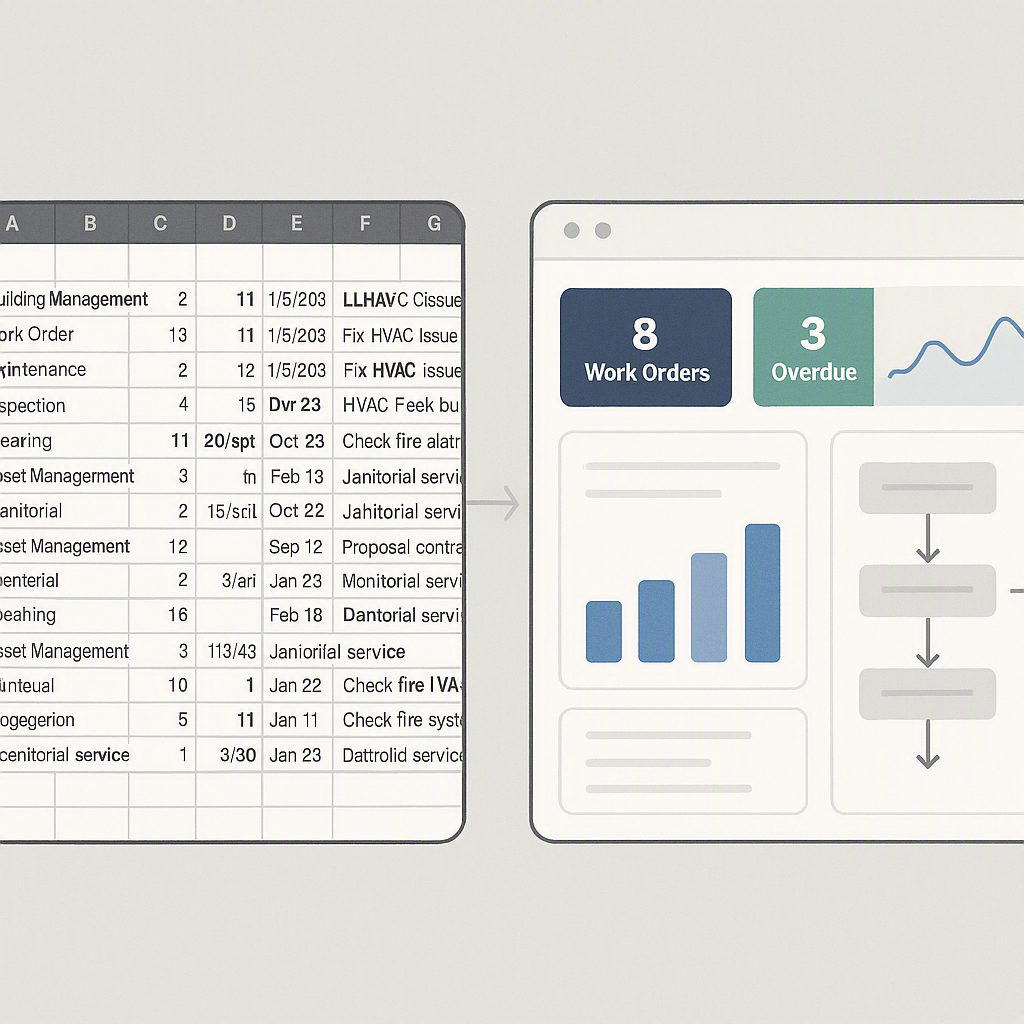
Manual Procurement Is Bleeding Contractors Dry
If you're still managing procurement with spreadsheets, emails, and WhatsApp groups, you're not alone. But you're also probably losing money—lots of it. According to a 2022 Deloitte report, inefficiencies in procurement processes cost businesses 3-5% of their total spend. For a contractor managing ₹10 crore annually, that's a staggering ₹30-50 lakh straight out of your margins. Imagine what you could do with that extra cash—invest in new equipment, hire more skilled workers, or expand operations.
Why does this happen? It’s usually a mix of three things:
- Unclear workflows: Material requests (MR) get delayed or misplaced.
- Approval bottlenecks: Critical RFQs or POs sit in someone's inbox for days.
- No cost tracking: You overspend because you have no visibility into vendor quotes or negotiated terms.
Sound familiar? The good news is, SaaS ERP platforms like JobNext are solving this exact issue. But before we dive deeper into how, let’s look at why traditional procurement methods aren’t cutting it anymore.
The Hidden Costs of Manual Procurement
Most contractors using manual processes don’t realize the full extent of their inefficiencies. It’s not just about wasting time—it’s about losing money that directly impacts your bottom line. Here’s a breakdown of how manual procurement is hurting you:
1. Delays Lead to Project Overruns
When material requests get delayed or lost, your projects stall. Workers sit idle, and deadlines slip. According to a report by McKinsey, construction projects typically run 20% over schedule, and poor procurement processes are a major factor.
Case in Point: A mid-sized contractor in Chennai faced significant delays on a ₹15 crore residential project due to late material deliveries. Their procurement team struggled to coordinate between multiple suppliers and on-site teams using only spreadsheets and emails. The result? A three-month delay that cost them an additional ₹1.2 crore in penalties and lost revenue.
2. Duplicate Orders and Overpurchasing
Without centralized tracking, it’s easy to place duplicate orders or overestimate material needs. This not only wastes money but also clogs your storage space.
Example: A Delhi-based contractor managing five active sites discovered they had ordered the same batch of cement twice for one project. The excess material sat in storage for months, unused, tying up ₹8 lakh in working capital.
3. Missed Opportunities for Cost Savings
When you lack visibility into vendor quotes, you miss chances to negotiate better terms. Bulk discounts, early payment incentives, and competitive bids are all opportunities that slip through the cracks in manual systems.
How SaaS ERP Fixes Procurement Chaos
The biggest advantage of SaaS ERP? Automation and visibility. Systems like JobNext structure the entire procurement process into a streamlined workflow:
- Material Requests (MR) →
- Request for Quotation (RFQ) →
- Vendor Offers →
- Purchase Orders (PO)
Each step comes with role-based access, approval chains, and real-time notifications. No more hunting for emails or waiting days for a manager's approval. Plus, everything gets logged—so you can trace every decision back to its source.
Real-World Example: A Civil Contractor in Mumbai
One of our clients, a Mumbai-based civil contractor, used to rely on spreadsheets for procurement. They lost ₹25 lakh in a single year to duplicate orders and delayed approvals. After switching to JobNext, they implemented a structured MR → RFQ → PO workflow. Within six months, their procurement costs dropped by 15%. They also cut PO processing time from 3 days to under 6 hours.
Takeaway: Structured workflows don’t just save time—they directly improve your profit margins.
Actionable Steps to Transition to SaaS ERP:
- Audit Your Current Process: Identify bottlenecks, such as delayed approvals or duplicate orders.
- Choose the Right Platform: Look for features like multi-site support, role-based access, and integration with your existing tools (e.g., accounting software).
- Train Your Team: Ensure everyone, from site managers to procurement officers, understands how to use the system effectively.
- Start Small: Begin with one project or site to test the system before rolling it out company-wide.
Why Multi-Tenant SaaS ERP Is Perfect for Contractors
You might be wondering: why SaaS ERP? Why not an on-premise system or custom software?
Here’s the deal:
1. Lower Costs
SaaS ERP eliminates upfront infrastructure expenses. You pay a monthly subscription fee, which is predictable and scalable. Compare this to the ₹10-15 lakh you’d spend on setting up an on-premise system.
2. Faster Updates
Multi-tenant platforms like JobNext push updates automatically—no downtime, no IT headaches. In contrast, custom software often requires expensive and time-consuming updates.
3. Anywhere Access
Need to approve a PO while you're on-site? SaaS solutions work on any device, anywhere. This is especially critical for contractors managing multiple sites.
Actionable Comparison Table:
| Feature | SaaS ERP | On-Premise ERP | Custom Software |
|---|---|---|---|
| Initial Cost | Low (₹1-5k/user/month) | High (₹10-15L setup) | Very High (₹20L+) |
| Maintenance | Included | Separate IT team needed | Developer-dependent |
| Updates | Automatic | Manual updates | Custom development cost |
| Scalability | Easy | Limited by hardware | Expensive to scale |
| Accessibility | Anywhere (cloud-based) | Limited to office network | Custom setup required |
The ROI of Structured Procurement
Still skeptical? Let’s talk numbers. Here's a quick breakdown of the potential ROI:
| Metric | Manual Process | With SaaS ERP | Savings |
|---|---|---|---|
| PO Processing Time | 2-3 days | 4-6 hours | ₹1.5 lakh annually (labor costs) |
| Duplicate Orders | 5-10% of total spend | <0.5% | ₹15 lakh (on ₹10 crore spend) |
| Vendor Negotiation Visibility | None | Full | ₹5-10 lakh (better terms) |
In total, contractors managing ₹10 crore annually could save ₹20-30 lakh just by switching to a structured procurement workflow within a SaaS ERP.
Additional ROI Considerations:
- Improved Vendor Relationships: Consistent communication and timely payments.
- Reduced Compliance Risks: Automated GST and TDS tracking ensure you’re always audit-ready.
- Enhanced Team Productivity: Teams spend less time on admin tasks and more on strategic work.
FAQ: Common Questions About SaaS ERP for Procurement
1. Can it handle multi-site operations?
Yes. Platforms like JobNext are designed for contractors managing multiple sites. You can track material requests and approvals across all locations in real-time.
2. What about integration with accounting tools?
JobNext integrates seamlessly with Tally for GST/TDS compliance. No more manual data entry between systems.
3. How long does implementation take?
Most SaaS ERP solutions can be deployed in weeks, not months. For example, JobNext has a quick-start implementation for contractors under 50 users.
4. Is SaaS ERP secure?
Absolutely. Modern SaaS platforms employ enterprise-grade security protocols. For example, JobNext uses 256-bit encryption and role-based access to protect sensitive data.
5. What if my team isn’t tech-savvy?
Most SaaS ERP platforms are designed with user-friendly interfaces. Additionally, providers like JobNext offer training and ongoing support to ensure your team can use the system effectively.
Final Thoughts
If you're still relying on manual procurement processes, you're leaving money on the table. Structured workflows in SaaS ERP aren’t just about saving time—they’re about saving lakhs. Plus, they give you the visibility and control you need to grow profitably.
Don’t let inefficiencies bleed your margins dry. Start small, test the waters, and watch the savings add up. Want to see how JobNext can help? Get started free →
Learn more at JobNext.ai