Why Poor Cost Tracking Kills Margins in Construction
Margins in construction are razor-thin. If you’re running multiple projects across sites, even small cost overruns or revenue leaks can wipe out your profit. Here’s the kicker: most of these leaks aren’t from dramatic errors. They’re from mundane issues like delayed material orders, underbilled RA Bills, or missed GST filings.
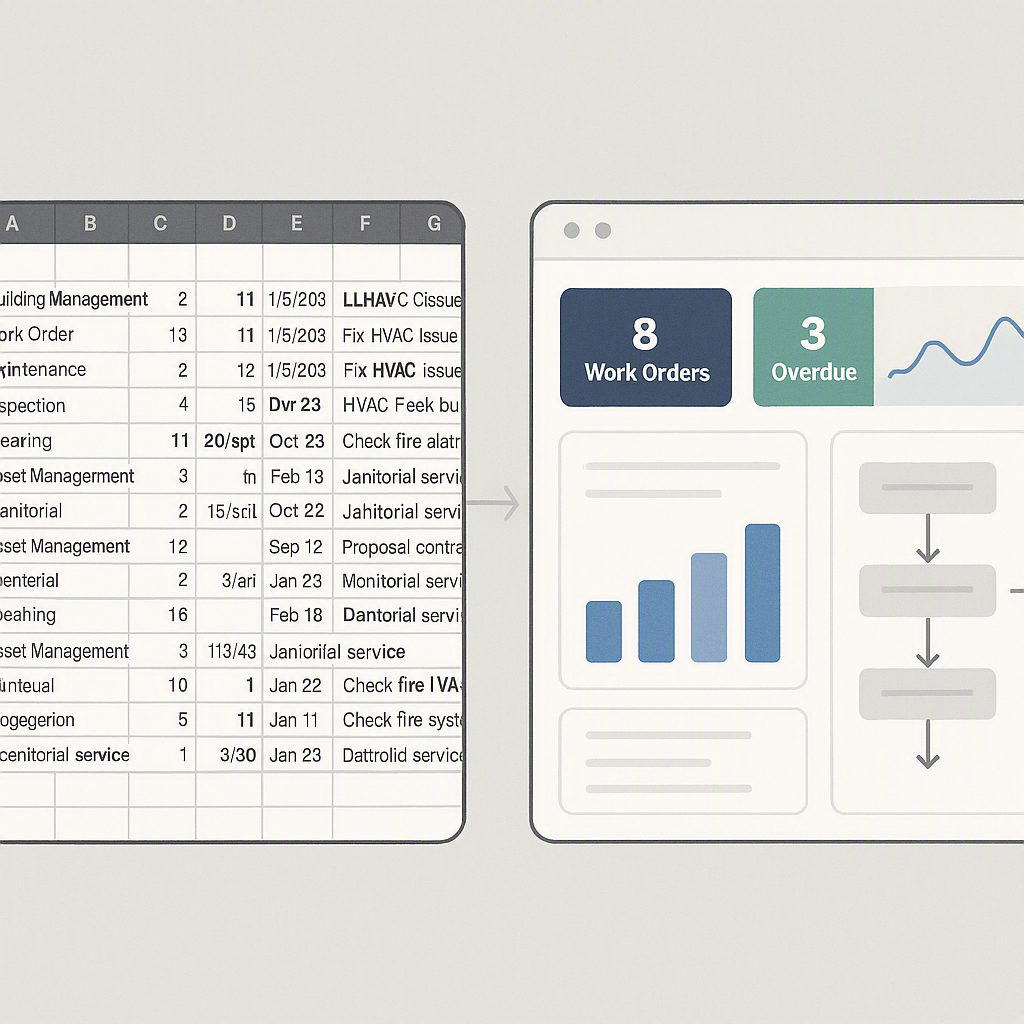
A Deloitte study found that over 70% of construction firms rely on disconnected systems — spreadsheets, legacy tools, and manual processes. When your team is juggling multiple tools, tracking real-time project profitability becomes a guessing game. And guessing is expensive.
Let’s break it down with an example.
The Real-World Cost of Disconnected Systems
Take an MEP contractor in India with 500 employees and 15 active projects. They’re using one tool for tendering, another for procurement, and a legacy accounting platform like Tally for finance. Here’s what happens:
- Material Reconciliation Falls Apart: A site manager raises a material request (MR), but it’s delayed in getting approved. Procurement doesn’t order on time, so the site relies on last-minute spot purchases at a 15-20% premium.
- Underbilling RA Bills: The billing team misses some progress measurements, underbilling the client by 8-10% on key milestones. That’s revenue you can’t always recover.
- Missed Compliance Deadlines: GST filings are delayed because the finance team couldn’t reconcile material and subcontractor costs in time. Now you’re paying penalties.
These aren’t isolated issues. They’re symptoms of disconnected systems. And they’re why contractors lose money.
How SaaS ERP Fixes This Problem
SaaS ERP platforms like JobNext unify your operations. Instead of managing separate tools for procurement, billing, and finance, you get a single source of truth. Let’s revisit the MEP contractor example with a SaaS ERP in place:
- Real-Time Material Tracking: The site manager raises an MR in JobNext, which automatically triggers an approval workflow. Procurement is notified instantly. The system tracks vendor quotes and generates POs without delays. Result: no spot purchases, no inflated costs.
- Accurate RA Billing: JobNext’s integrated project tracking ensures every progress milestone is accounted for. The billing team has six pre-configured billing methods (e.g., stage-wise, RA Bills, combined), so they don’t miss a rupee. Result: zero revenue leakage.
- Seamless Compliance: With Tally integration, JobNext automatically maps transactions for GST and TDS filings. No chasing paperwork, no penalties.
The result? Margins stabilize. Teams save time. And you stop leaving money on the table.
Why SaaS ERP Is Better for Contractors
You might be thinking: "Why SaaS ERP? Why not an on-premise solution?" Here’s why:
- Lower Total Cost of Ownership (TCO): SaaS ERP eliminates upfront hardware costs and ongoing maintenance. You pay a predictable subscription fee — no surprises.
- Faster Deployment: SaaS ERP systems are cloud-based, so they can be deployed in weeks, not months. On-premise systems? They often take a year.
- Always Up-to-Date: With SaaS, updates are automatic. On-premise systems require manual upgrades (and downtime).
A McKinsey report estimates that digitization could reduce construction costs by 4-6%. SaaS ERP is a big part of that equation.
How JobNext Tackles Margin Erosion
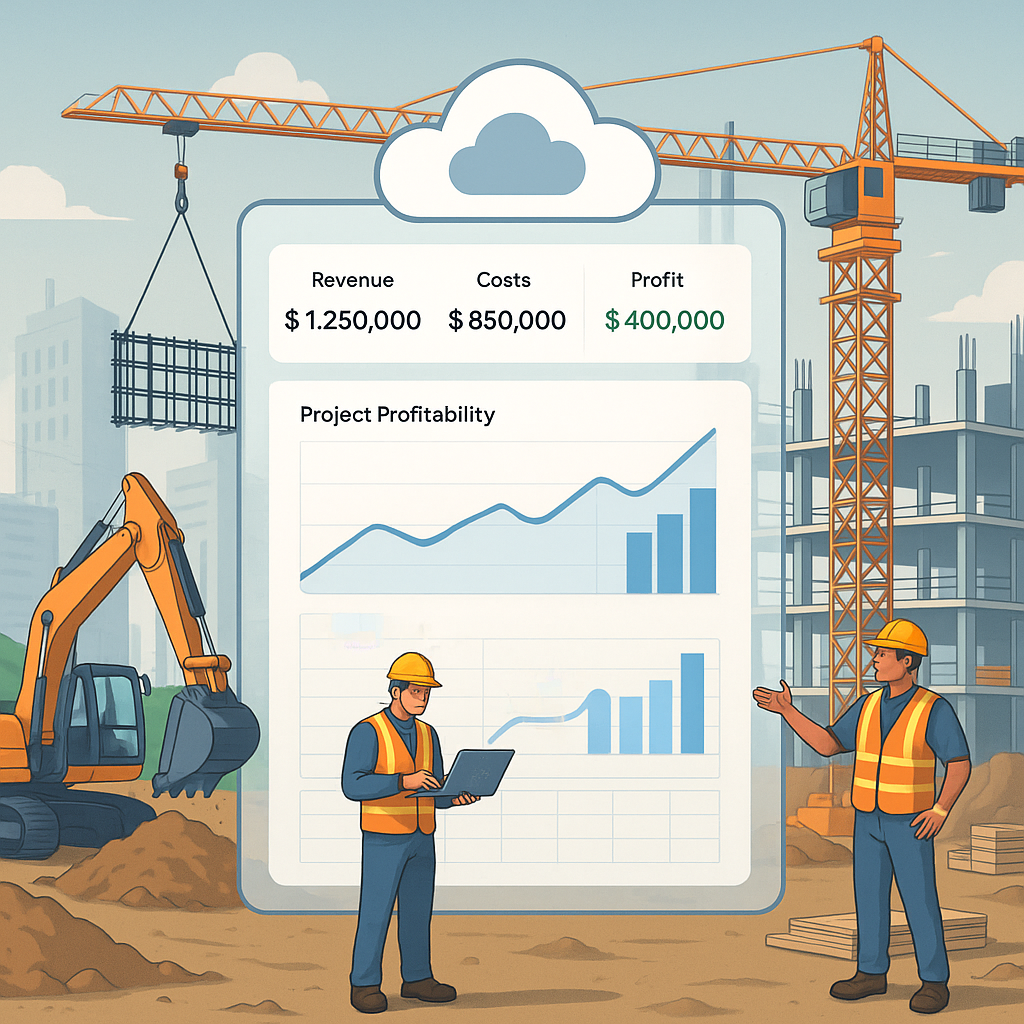
Let’s focus on one feature: real-time project profitability tracking. JobNext connects your BOQs, scopes, estimates, and actual costs into one dashboard. You see exactly where you’re overspending or underbilling — in real-time. No waiting for month-end reports.
This aligns with insights from the JobNext blog post “Why Contractors Lose Money Without Cloud ERP (And How To Fix It).” It highlights how real-time tracking is critical for contractors operating on thin margins. With tools like JobNext, you get visibility — and control.
The Bottom Line
If you’re a contractor with 50-2000 employees, SaaS ERP isn’t a luxury. It’s survival. Tools like JobNext don’t just replace spreadsheets — they fix the margin-eroding gaps that spreadsheets create.
Want to learn more? Check out JobNext’s blog for more research-backed insights on how cloud ERP can transform your operations.
Ready to see JobNext in action?
Multi-tenant SaaS ERP for construction, facilities management, and contracting — covering preconstruction, project execution, procurement, HR & payroll, equipment, finance, and 150+ analytics reports.
Get Started Free →Learn more at JobNext.ai