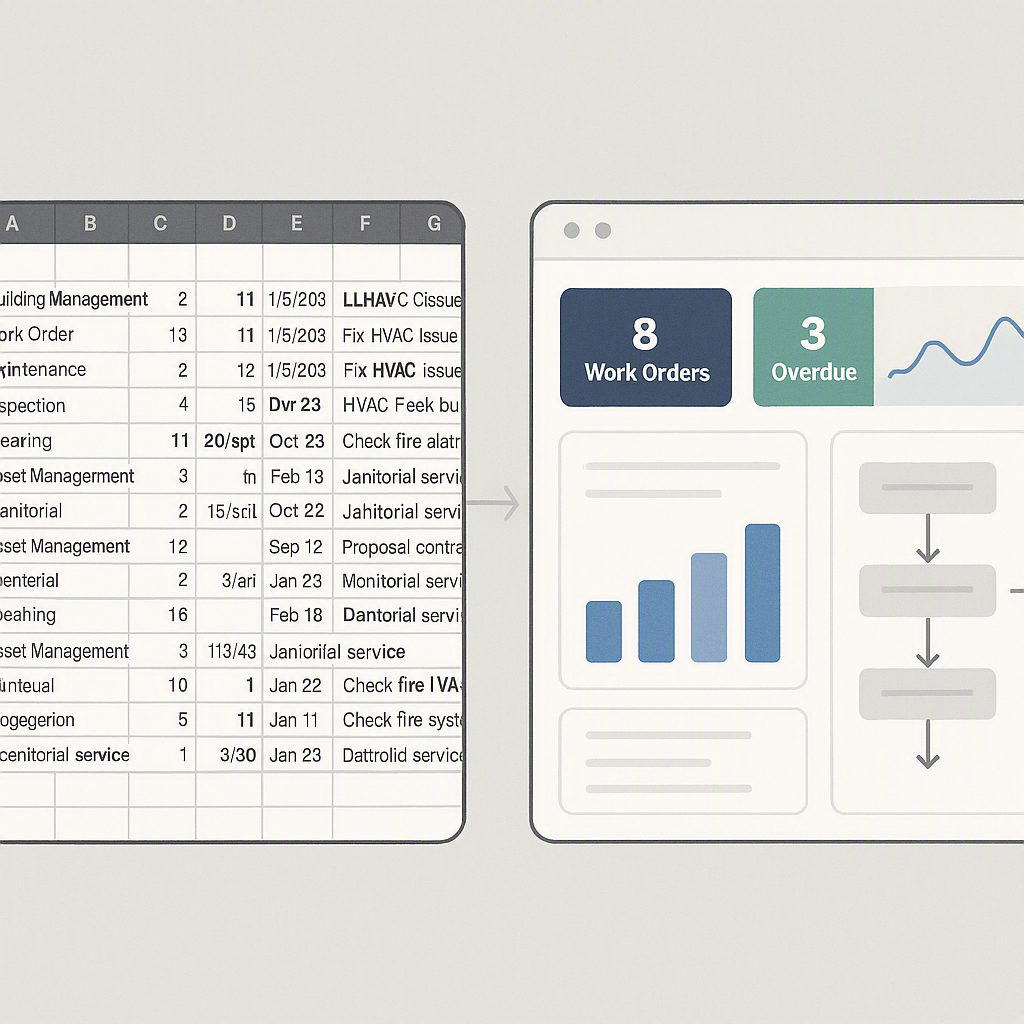
Facility Management Services: A Real-World Perspective
Facility management (FM) services aren’t just about keeping buildings clean or equipment running. For contractors in India and GCC, FM services often involve juggling everything from maintenance schedules to compliance with local regulations. Whether you’re managing HVAC systems, landscaping, or security for a multi-site operation, it’s clear: FM services can significantly impact both your client relationships and your margins.
Many contractors face challenges in FM operations due to reliance on spreadsheets or disconnected tools that can’t handle the unique demands of FM contracts. This often leads to revenue leakage, compliance issues, and operational inefficiencies.
Hard FM vs. Soft FM: What’s the Difference?
FM services are typically split into two categories:
- Hard FM Services: These involve physical, technical maintenance of infrastructure, such as HVAC systems, electrical systems, and plumbing. Think of it as the backbone that keeps a facility functional.
- Soft FM Services: These are more people-focused, like cleaning, landscaping, and security.
While the distinction is clear, execution can be complex. Contractors managing FM operations often handle numerous recurring tasks across multiple sites. Add compliance requirements (like GCC VAT or GST in India), and the complexity increases.
The Hidden Problem: Recurring Billing Chaos
Consider a scenario where you’ve signed a monthly housekeeping contract for a corporate park. The scope includes daily cleaning, weekly deep cleaning, and monthly pest control. While this seems straightforward on paper, in practice, manual processes can lead to measurement errors, client disputes, and missed invoices.
To address this, structured workflows and tools designed for FM contracts can help. These tools allow contractors to:
- Configure recurring jobs with predefined scopes (e.g., daily cleaning, monthly pest control).
- Generate measurements and reports for client certification.
- Track compliance requirements like GST/TDS in India or VAT in GCC.
Such systems reduce guesswork and ensure accurate billing for services delivered.
Compliance: A Key Challenge
For contractors in India and GCC, compliance is critical. Regulatory requirements like GST in India or VAT in GCC must be tracked and reported for every transaction, from vendor payments to client invoices. Missing compliance deadlines or input tax credits can lead to financial losses.
Centralized compliance management tools can simplify this process by integrating GST, TDS, and VAT tracking into workflows. These tools also sync with accounting software for statutory reporting, making it easier to stay audit-ready.
Why Disconnected Systems Don’t Work
Many contractors use separate tools for tendering, procurement, billing, and HR. This fragmented approach often leads to inefficiencies, especially in FM operations where interconnected processes are the norm.
For example, a landscaping contract might require:
- Monthly procurement of plants and fertilizers.
- Weekly progress tracking for client updates.
- Monthly billing based on measurable outcomes (e.g., square meters landscaped).
Without a unified platform, delays and disputes are common. Integrated systems that connect procurement, tracking, and billing can streamline these processes and improve operational efficiency.
Common Mistakes in FM Operations
- Underestimating Scope: Contractors often miss hidden costs like overtime for staff or additional materials. Using BOQ-based tracking tools can help.
- Ignoring Compliance: Skipping statutory deductions or delayed filings can lead to penalties.
- Manual Measurements: Relying on manual data entry for recurring services increases errors and disputes.
- Lack of Client Transparency: Clients expect real-time updates. If you can’t provide them, expect friction.
FAQ
Q: What’s the best way to track recurring FM services?
Use a system that supports predefined monthly workflows and auto-generates measurements for billing.
Q: How do I ensure compliance across multiple sites?
Centralize compliance tracking with tools that integrate GST/TDS/VAT reporting into your operations.
Q: Is there a way to streamline FM billing?
Yes, structured billing workflows with predefined BOQs and auto-generated RA bills can reduce errors.
Final Thoughts
Facility management services are complex, but they don’t have to be chaotic. By adopting structured systems and unified tools, contractors in India and GCC can meet client expectations and protect their margins.
If you’re dealing with recurring billing issues or compliance challenges, exploring specialized FM tools can make a significant difference.
Learn more at JobNext.ai