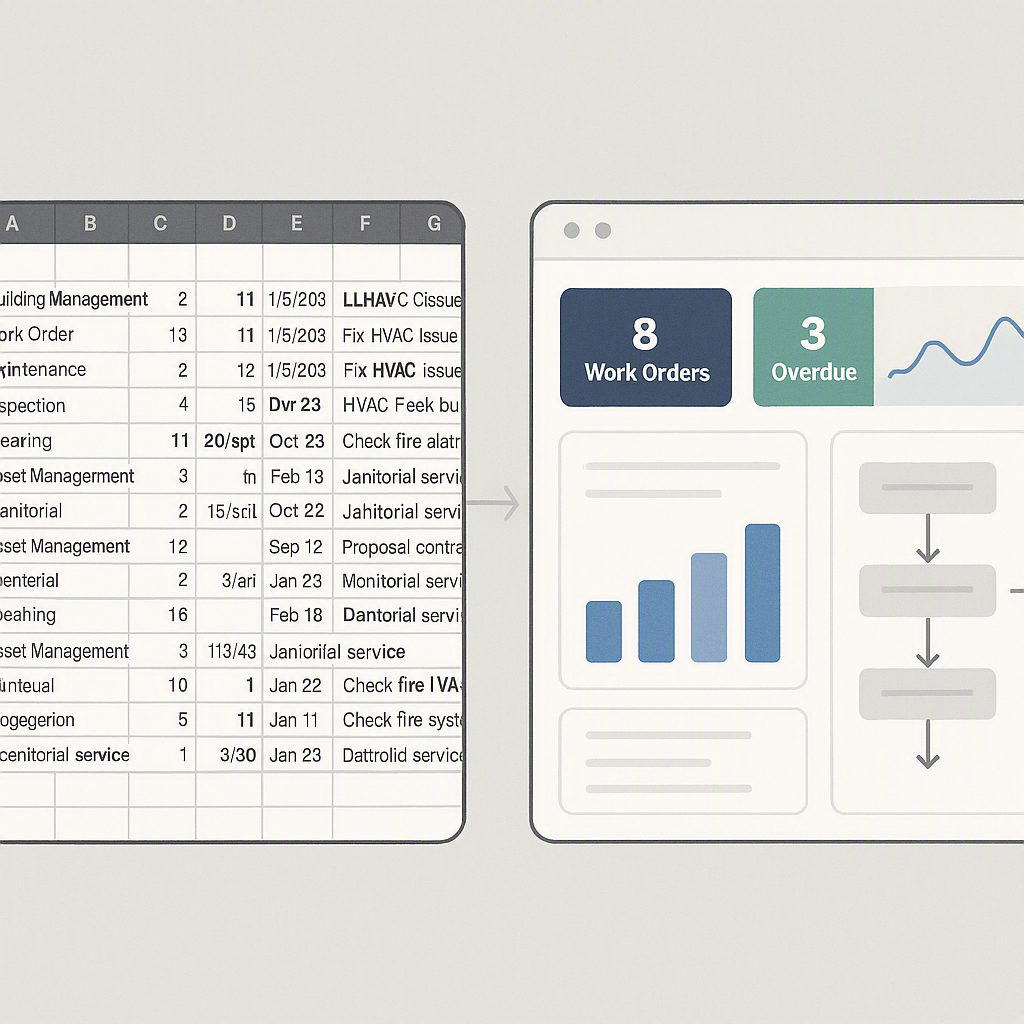
What Reddit Can Teach Us About Construction ERP
Spend 20 minutes on Reddit’s r/Construction or r/ERP, and you’ll find contractors venting about some of the biggest headaches in the industry. Missed margins, scattered tools, billing disputes—these are the themes that dominate the forums.
But here’s the thing: Reddit isn’t just a place to rant. It’s a goldmine of unfiltered feedback. Contractors share what works, what doesn’t, and what they wish they’d known earlier. Unlike vendor brochures or glossy case studies, these discussions are raw and honest.
Let’s break down some of the recurring complaints about Construction ERP systems—and how contractors can actually solve them.
1. The Margin Erosion Nightmare
One Reddit user puts it bluntly: “We thought we were making money on a project until the final reconciliation. Turns out, we barely broke even.”
Sound familiar? Poor cost tracking is a silent killer for contractors. With multiple BOQs, scopes, and estimates floating around, it’s easy for margins to erode unnoticed. And by the time you realize it, the damage is done.
Why This Happens
Margin erosion typically happens because contractors don’t have visibility into their costs while the project is ongoing. Costs sneak in through unapproved material purchases, unexpected labor overruns, or equipment usage that goes untracked. Without a system that flags these issues in real-time, it’s nearly impossible to catch them before it’s too late.
The Fix: Real-Time Project Profitability Monitoring
The solution lies in tracking costs as they happen—materials, labor, equipment—all tied back to the BOQ (Bill of Quantities). Systems like JobNext excel at this by offering real-time dashboards that show exactly where you stand on profitability. For instance, every material purchase or subcontractor payment is validated against approved budgets. This ensures no costs sneak through untracked.
Actionable Steps:
- Use an ERP system that ties every expense back to individual project budgets.
- Set up alerts for out-of-budget expenses (e.g., material purchases without prior approval).
- Regularly reconcile project costs to identify discrepancies before final billing.
Comparison Table: Manual Tracking vs Real-Time ERP-Based Tracking
| Feature | Manual Tracking | ERP-Based Tracking |
|---|---|---|
| Real-time cost visibility | No | Yes |
| Alerts for out-of-budget expenses | No | Yes |
| Automatic reconciliation | No | Yes |
| Human error risk | High | Low |
In a Reddit thread, a contractor even mentioned, “The moment we started using a system that flagged out-of-budget purchases, our margins improved almost immediately.” That’s the power of visibility.
2. Disconnected Tools = Constant Rework
Another recurring theme on Reddit: “Why do I need one tool for tendering, another for billing, and a spreadsheet for payroll? Nothing talks to each other!”
When your tools don’t integrate, you’re stuck manually re-entering data. This not only wastes time but also creates errors. A missed decimal or outdated rate can cascade into major issues.
Why This Happens
Many contractors start small, relying on separate tools for different tasks—spreadsheets for budgeting, standalone software for billing, and manual payroll systems. While this may work for small operations, it becomes unsustainable as the business grows and projects multiply. Data silos lead to inefficiencies, rework, and errors.
The Fix: A Unified Platform
Integrated platforms like JobNext eliminate the chaos. Everything—tendering, procurement, HR, billing—runs on a single system. This reduces rework and ensures data flows seamlessly from one stage to the next. For example, a tender can be auto-converted into a job, and the associated BOQ carries forward to execution and billing. No manual re-entry.
Actionable Steps:
- Audit your current tools to identify inefficiencies and data silos.
- Transition to an all-in-one ERP system that integrates core workflows.
- Train your team on the new system to ensure adoption.
Comparison Table: Standalone Tools vs Unified ERP Platform
| Feature | Standalone Tools | Unified ERP Platform |
|---|---|---|
| Data silos | Yes | No |
| Manual re-entry of data | High | Minimal |
| Workflow automation | Limited | Extensive |
As this blog post on JobNext’s site explains, unified tools are particularly critical for multi-site contractors who juggle dozens of concurrent projects. The fewer silos, the better.
3. Billing Disputes That Never End
Redditor after Redditor complains about revenue leakage: “We completed the work, but invoicing was delayed because the site engineer hadn’t submitted measurements.”
When billing isn’t timely or accurate, cash flow suffers. Worse, disputes with clients over what’s been completed can drag on for months.
Why This Happens
Billing delays are often caused by poor coordination between site teams and back-office staff. Measurements, progress reports, and other data needed for invoicing are often stuck in a manual process, leading to bottlenecks.
The Fix: Integrated Billing Workflows
JobNext addresses this by connecting billing directly to site progress. With six billing methods (from RA Bills to stage-wise and supply BOQ), nothing gets missed. Measurements can be recorded on-site, and invoices auto-generate based on approved work.
Actionable Steps:
- Implement an ERP system that links billing to progress updates.
- Standardize measurement recording processes across all sites.
- Set strict deadlines for site engineers to submit progress data.
One Reddit user even shared a game-changing tip: “If you’re not linking billing to actual completion data, you’re leaving money on the table.” Systems like JobNext ensure that doesn’t happen.
4. Subcontractor Cost Overruns
A classic Reddit frustration: “The subcontractor quoted low to win the job, but the final bill was double what we expected.”
Subcontractor mismanagement can derail your project. Without proper progress tracking and payment controls, you’re at the mercy of inflated invoices and vague work claims.
The Fix: Measurement-Based Progress Tracking
JobNext’s subcontractor management module solves this by enforcing discipline. Work requisitions are tied to measurement sheets, so payments are only released for completed, verified work. This ensures subcontractors are paid fairly—but not excessively.
Actionable Steps:
- Circulate RFPs (Requests for Proposals) to multiple subcontractors for competitive quotes.
- Attach detailed BOQs to subcontractor agreements to avoid scope creep.
- Use an ERP system that ties payments to verified progress.
According to JobNext’s subcontractor best practices guide, circulating RFPs to at least three subcontractors and attaching detailed BOQs can prevent surprises later. The clearer the scope upfront, the fewer disputes downstream.
5. Compliance Chaos
Finally, compliance gets a lot of hate on Reddit: “GST, TDS, PF, ESI—half my time goes into just figuring out what’s due when.”
For contractors operating in India and the GCC, keeping up with tax laws and statutory deductions is a full-time job. Manual tracking leaves you vulnerable to missed deadlines and penalties.
The Fix: Built-In Compliance Features
JobNext automates compliance by integrating GST/TDS calculations, statutory deductions, and even Tally exports for Indian reporting. It also tracks bank guarantees and their expiry dates, so you’re never caught off guard.
Actionable Steps:
- Use an ERP system with built-in compliance modules.
- Set auto-reminders for compliance deadlines (e.g., GST filings).
- Regularly audit compliance processes to ensure accuracy.
As one user on Reddit noted, automating compliance is the only way to scale: “Once you cross five sites, manual tracking just doesn’t cut it anymore.”
FAQ
1. Do I need a dedicated construction ERP, or will generic tools work?
Generic tools often lack construction-specific features like BOQ tracking, RA billing, and subcontractor management. A dedicated ERP like JobNext is purpose-built for these needs.
2. How do I choose the right ERP for my contracting business?
Look for systems that unify your workflows, offer real-time cost tracking, and ensure compliance. This JobNext guide provides a step-by-step approach.
3. What’s the biggest mistake contractors make with ERP systems?
Underestimating the importance of adoption. Even the best ERP won’t work if your team doesn’t use it consistently.
4. Can ERP software help with subcontractor disputes?
Yes. Systems like JobNext enforce measurement-based payment tracking, reducing disputes over scope and costs.
5. How do I ensure my ERP investment pays off?
Focus on training your team, integrating workflows, and choosing a system that scales with your business.
If you’re struggling with margin erosion, billing delays, or compliance headaches, JobNext can help. Built for contractors, it simplifies everything from procurement to payroll. Get started today →
Learn more at JobNext.ai