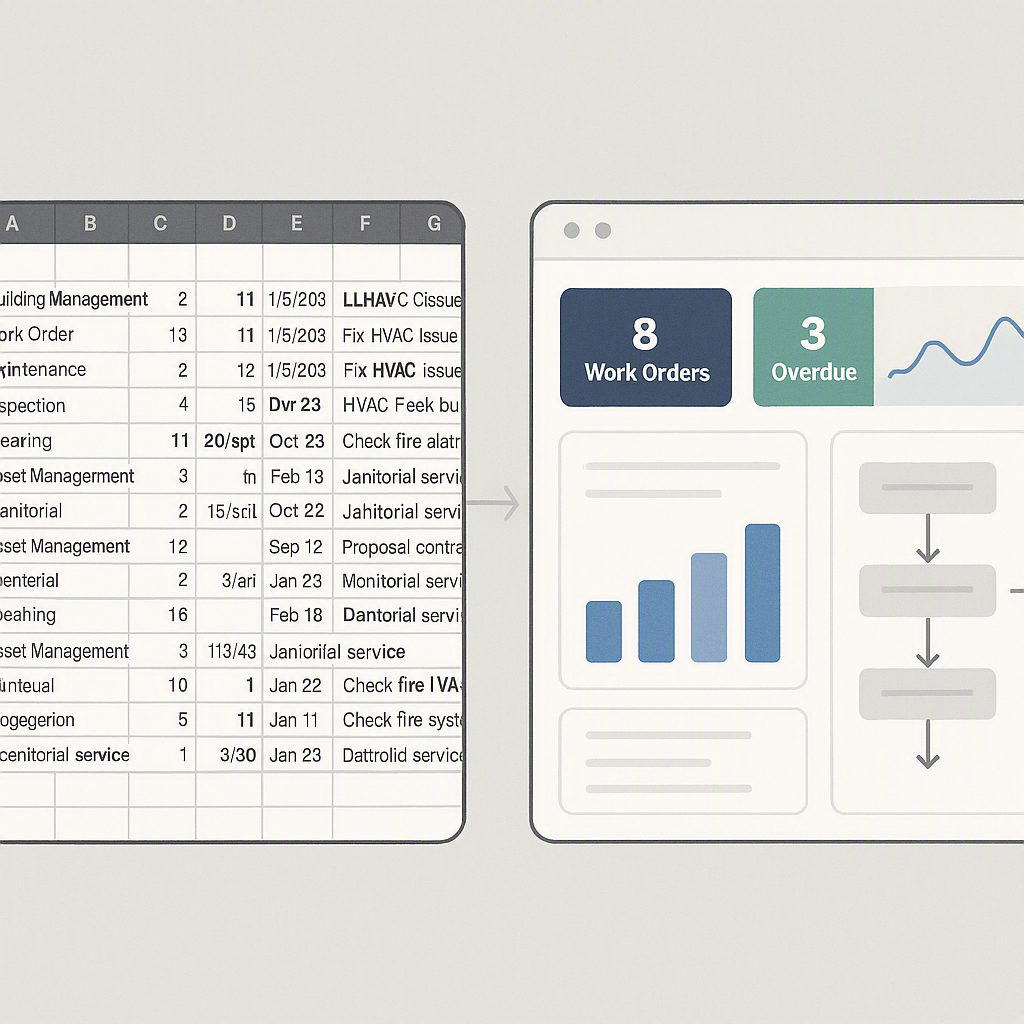
The Problem: Margins Are Shrinking
Construction contractors face a brutal reality: projects are getting more complex, but profits are shrinking. The culprit? Disconnected systems and manual processes. Imagine tracking billable quantities, labor costs, and subcontractor payments across five active sites using Excel sheets and WhatsApp messages. It’s a mess.
Margins often erode without anyone noticing until it’s too late. A JobNext blog pointed out that contractors lose up to 20% of project profits simply because they can’t track costs in real-time. That’s a fifth of your revenue gone—not because of bad work, but because of bad systems.
Why SaaS ERP Changes Everything
Here’s where multi-tenant SaaS ERP steps in. Unlike legacy on-premise solutions (which require expensive servers and IT staff), SaaS ERP operates fully in the cloud. You don’t need to worry about hardware or maintenance. Plus, it’s built for scale—whether you’re running five projects or fifty.
But the real benefit? Unified systems. SaaS ERP brings tendering, procurement, billing, HR, and finance under one roof. No more juggling five tools that don’t talk to each other. For example, JobNext’s structured procurement workflow (MR → RFQ → Vendor Offers → PO) ensures you never miss a vendor approval or overpay for materials. Source: JobNext blog.
Practical Example: Tracking Project Costs
Let’s say you’re managing an interior fit-out job with a tight BOQ (Bill of Quantities). You estimate material costs at ₹25 lakhs and labor costs at ₹15 lakhs. A month in, you realize you’ve already spent ₹12 lakhs on materials—but you haven’t billed the client for a single milestone yet.
With a SaaS ERP like JobNext, you get real-time dashboards showing project profitability. The system flags margin risks early—before it’s too late to fix them. It also automates billing milestones (RA Bills, stage-wise billing, etc.), ensuring revenue doesn’t leak. Source: JobNext blog.
Common Objections
You might be thinking, “But SaaS sounds expensive.” Here’s the reality: upfront SaaS ERP costs are typically lower than on-premise systems. There’s no hardware investment or IT staff required. Plus, the time saved on manual workflows and error-prone approvals directly translates to ROI. JobNext’s case studies show contractors cutting procurement cycles by 30% and project execution times by 20%. Source: JobNext blog.
Another objection? “What if the cloud goes down?” SaaS platforms are designed with redundancy. Leading providers like JobNext ensure 99.9% uptime, with disaster recovery protocols baked in.
Conclusion: Why It’s Time to Switch
Construction isn’t just about building structures—it’s about managing margins. And margins are impossible to protect without real-time visibility across projects, costs, and billing. Multi-tenant SaaS ERP isn’t just a technical upgrade; it’s a survival strategy.
Want to see how SaaS ERP could work for your specific trade? Explore JobNext and get the insights you need to make the switch.
Ready to see JobNext in action?
Multi-tenant SaaS ERP for construction, facilities management, and contracting — covering preconstruction, project execution, procurement, HR & payroll, equipment, finance, and 150+ analytics reports.
Get Started Free →Learn more at JobNext.ai