Why Construction Firms Should Care About SaaS ERP
Margins in construction are razor-thin — 2-7% on average. Yet, many contractors still rely on spreadsheets or disconnected tools to manage their projects. The result? Missed billing opportunities, runaway costs, and frustrated teams. SaaS ERP (Software as a Service Enterprise Resource Planning) is not just another tech trend; it’s the practical solution to these daily headaches.
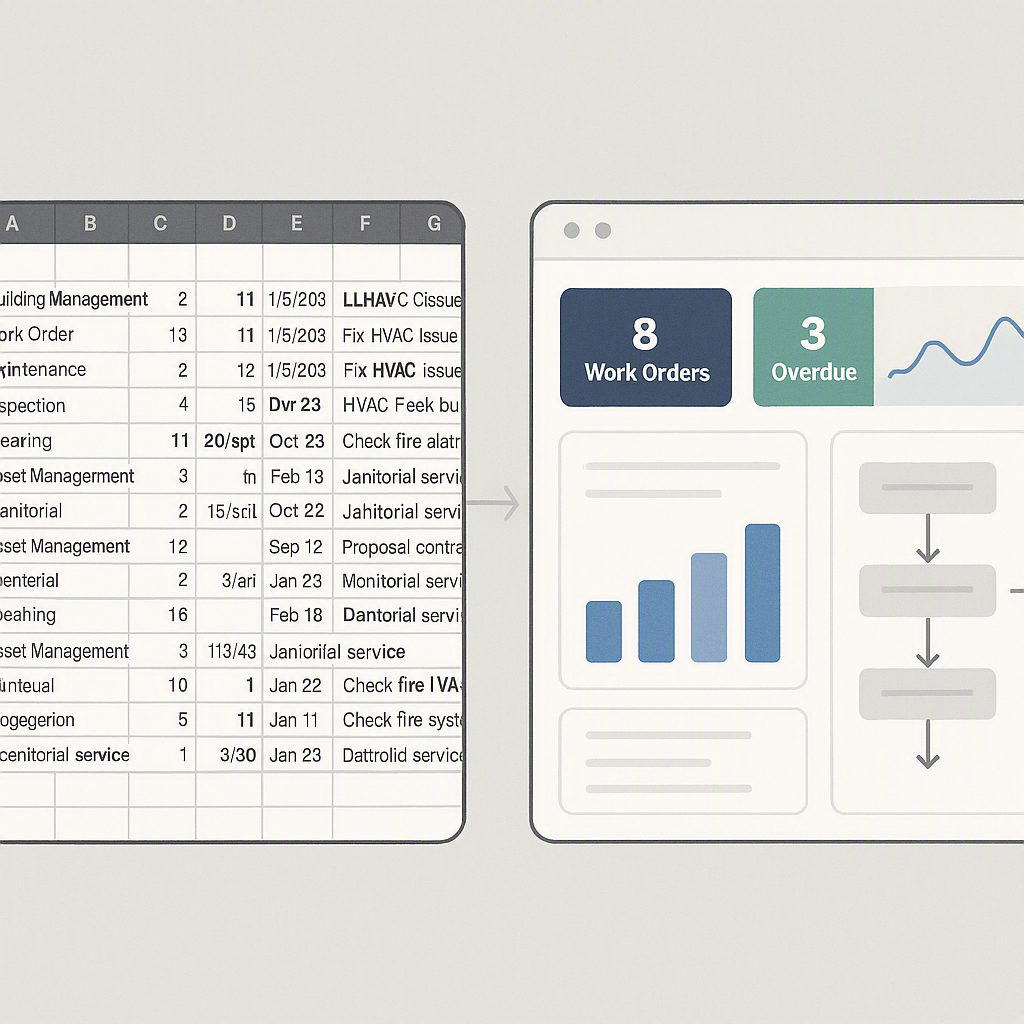
Let’s break it down. Why should construction firms — especially those in the mid-market — consider SaaS ERP? Here are 5 reasons, backed by real-world examples and data.
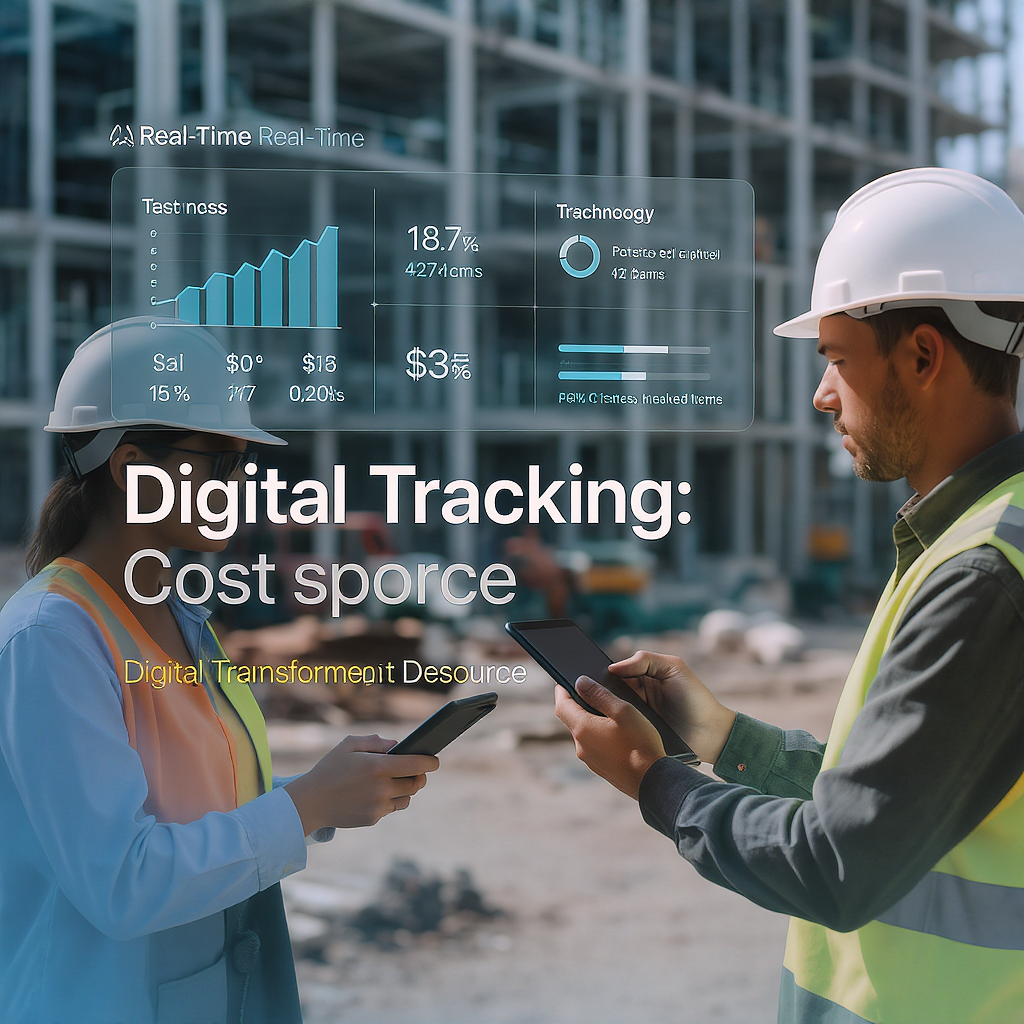
1. Real-Time Cost Tracking Prevents Margin Erosion
Margin erosion happens quietly. You miss small cost overruns on labor, materials, or equipment, and by the time you realize it, it’s too late. SaaS ERP systems provide real-time cost tracking across BOQs, scopes, and estimates, so you can catch issues before they snowball.
Take this example: A mid-sized general contractor running 12 projects across 3 states. Before switching to SaaS ERP, they relied on separate tools for procurement, billing, and project tracking. By the time monthly reports came in, cost overruns had already wiped out profits on two projects. After implementing a SaaS ERP like JobNext, they started monitoring project profitability daily. The result? A 15% improvement in margins within a year.
Key Feature: JobNext’s BOQ/WBS hierarchy tracks costs in real time, giving contractors visibility into profitability at every project stage.
2. Unified Systems Eliminate Tool Fragmentation
Disconnected systems are productivity killers. The average construction firm uses 5+ apps daily, and 42% of workers say it’s frustrating Source: Construction Dive. Worse, fragmented tools lead to data silos — procurement doesn’t talk to finance, HR doesn’t sync with project plans, and so on.
With multi-tenant SaaS ERP, everything lives on one platform. Need to approve a purchase order? It’s tied directly to your project’s budget. Want to see subcontractor progress? It’s linked to their work orders and billing status. JobNext’s unified platform replaces separate tools for tendering, procurement, HR, and finance, saving contractors hours of manual reconciliation.
Obvious Objection: “Won’t switching disrupt our current workflows?”
Our take: Yes, there’s an adjustment period. But the long-term payoff — fewer errors, faster approvals, and better data — makes it worth it. Gartner reports that contractors using unified ERP see a 20% boost in productivity.
3. Improved Compliance for Regional Regulations
If you operate in India or the GCC, you know how complex compliance can get. GST filings, TDS deductions, PF/ESI contributions, and GCC-specific payroll rules are non-negotiable. Miss one deadline, and you’re looking at penalties or worse — losing client trust.
SaaS ERP systems like JobNext offer built-in compliance tools. For instance, Indian contractors benefit from Tally integration for statutory reporting, while GCC firms can manage WPS-compliant payroll directly within the system. This isn’t just about ticking boxes; it’s about protecting your business from costly mistakes.
4. Scalable Solutions for Growing Contractors
Most mid-sized contractors start small — a few projects, a handful of employees. But as you scale to 50, 100, or 500+ employees, your old tools can’t keep up. SaaS ERP systems grow with you. Need to manage multi-site operations? No problem. Want role-based access for your expanding team? Done.
For example, Al Nab’a Services, a 6,000-employee FM company in Oman, streamlined operations across 1,200+ sites using SaaS ERP. They automated payroll, reduced contract management overhead, and cut down payroll cycles from 21 days to just 7.
5. Faster ROI with Subscription-Based Pricing
Traditional on-premise ERP systems are expensive — upfront costs, infrastructure, and ongoing maintenance add up fast. SaaS ERP flips this model. You pay a monthly subscription, which includes hosting, updates, and support. That means lower upfront costs and faster ROI.
Let’s say you’re a 100-person HVAC contractor. With SaaS ERP, you start seeing value within months — whether it’s through better billing accuracy or reduced procurement delays. And because it’s hosted in the cloud, you don’t need in-house IT to manage servers or troubleshoot issues.
Pro Tip: Always evaluate SaaS ERP providers on their uptime guarantees and support response times. Downtime can cost you more than the subscription fee.
Final Thoughts
You might be thinking, “Is SaaS ERP worth the hassle of switching?” If you’re losing margins to poor cost tracking, struggling with compliance, or frustrated by disconnected tools, the answer is yes. Tools like JobNext aren’t just about digitizing your workflows; they’re about making your business more profitable and scalable.
SaaS ERP isn’t a magic bullet. But for mid-sized construction firms, it’s as close as it gets.
Ready to see JobNext in action?
Multi-tenant SaaS ERP for construction, facilities management, and contracting — covering preconstruction, project execution, procurement, HR & payroll, equipment, finance, and 150+ analytics reports.
Get Started Free →Learn more at JobNext.ai