Why Contractors Bleed Revenue
Construction margins are razor-thin. You miss one RA bill or delay a stage-wise invoice, and your cash flow takes a hit. We've seen contractors lose lakhs because they relied on manual billing systems or disconnected tools. The problem isn't just inefficiency—it's outright revenue leakage.
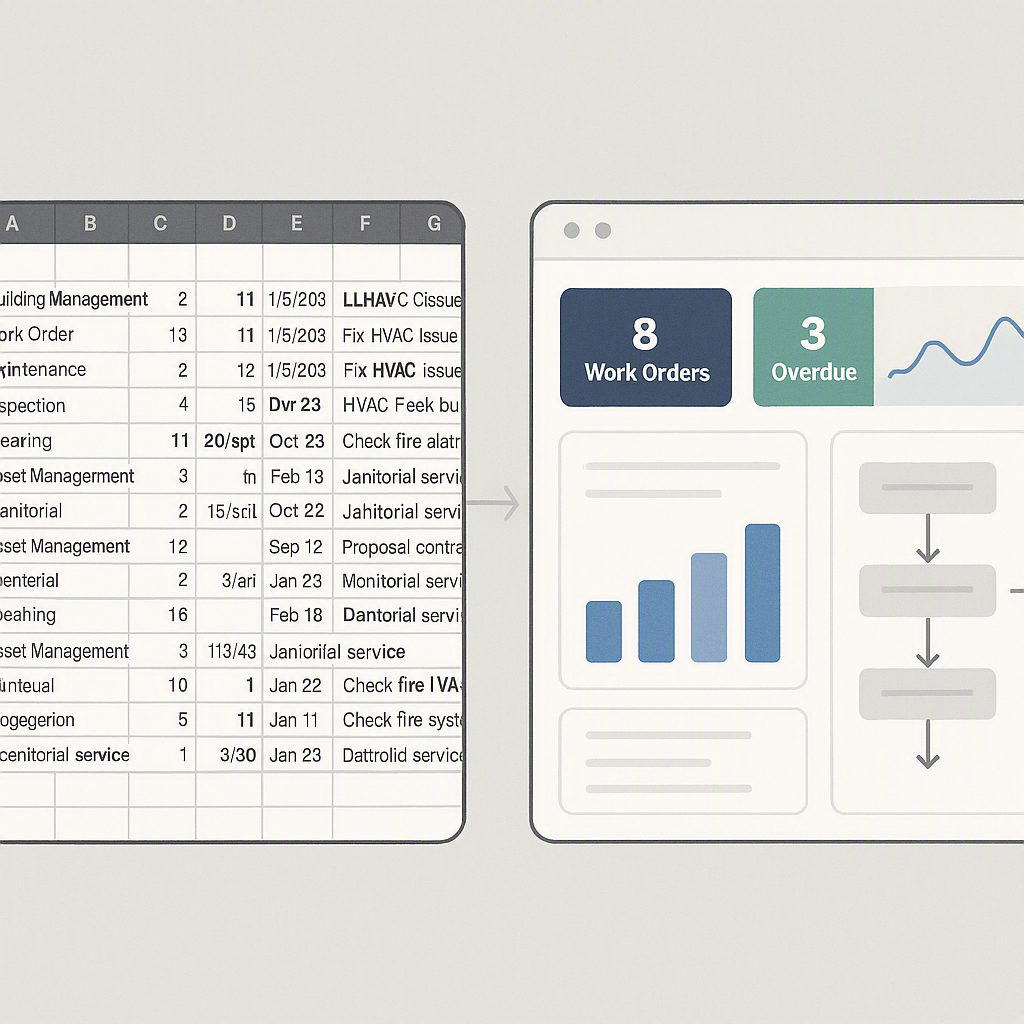
Take billing methods, for example. Many contractors still use Excel or basic accounting software that can't handle multiple billing types. If you're juggling RA Bills, stage-wise billing, and monthly invoices, it’s easy for something to fall through the cracks. The more complex your projects, the higher your risk.
How SaaS ERP Solves Revenue Leakage
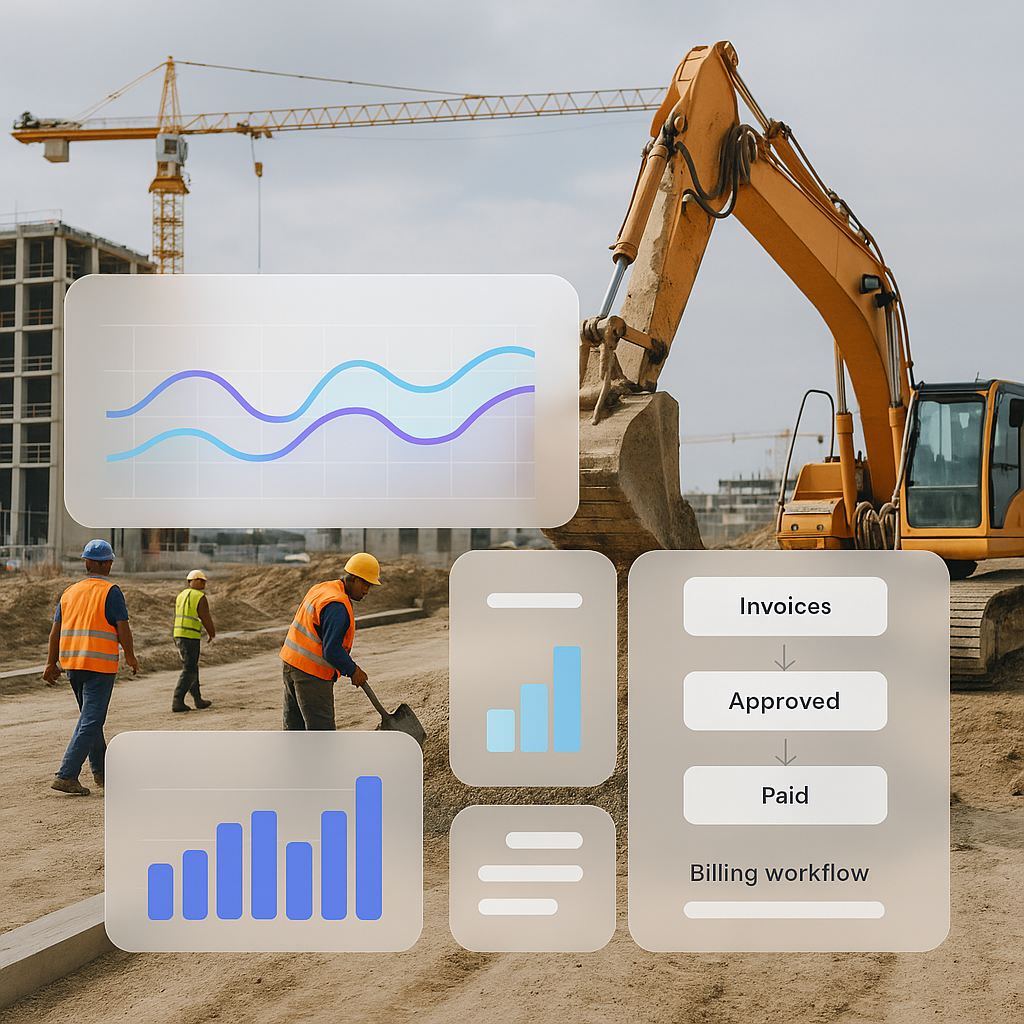
A SaaS ERP, like JobNext, is built to fix this. It automates billing workflows, supports six different billing methods, and ensures every invoice gets generated, approved, and tracked on time. No manual calculation errors, no missed deadlines.
Let’s say you’re working on a large EPC project with multiple subcontractors. Managing stage-wise billing manually is a nightmare. You have to track progress, verify measurements, and coordinate approvals across teams. JobNext simplifies this by integrating progress tracking with automated billing workflows. The system even alerts you when a milestone is ready for billing, reducing delays.
Real-Time Tracking Prevents Mistakes
Another big advantage? Real-time cost tracking. According to a study by McKinsey, construction companies lose up to 35% of their margins due to inefficiencies and errors. SaaS ERP platforms like JobNext eliminate this by giving you live dashboards. You see exactly what’s billed, what’s pending, and what’s overdue.
As this JobNext blog post explains, "Contractors bleed profits because they can't track costs in real-time." This isn't just theory—we've seen contractors recover lakhs in overdue invoices within months of adopting cloud ERP.
Why SaaS ERP Beats On-Premise Solutions
You might think, "Why not stick to on-premise ERP?" The answer is simple: flexibility and cost. SaaS platforms are multi-tenant, meaning updates roll out automatically, and you don’t have to worry about servers or IT overhead. Plus, they’re accessible from anywhere—critical for multi-site operations.
JobNext, for instance, supports multi-currency billing and integrates with tools like Tally for statutory compliance. This is especially useful for contractors in India and GCC, where GST, TDS, and other regulations add layers of complexity.
The Bottom Line
If you’re losing money to missed RA bills or stage-wise invoices, it’s time to upgrade. SaaS ERP isn’t just software—it’s a way to stop revenue leakage and protect your margins. JobNext is designed specifically for contractors, with workflows tailored to construction billing challenges. Don’t let another project bleed profits.
Data Table: SaaS ERP vs. Manual Billing
| Feature | Manual Billing | SaaS ERP (e.g., JobNext) |
|---|---|---|
| Billing Methods | Limited (1-2 types) | 6 types |
| Error Rate | High | Low |
| Real-Time Tracking | No | Yes |
| Compliance Handling | Manual | Automated |
| Accessibility | Office-only | Anywhere (cloud-based) |
Key Takeaways
- Contractors lose millions annually due to manual billing errors.
- SaaS ERP automates workflows, supports multiple billing types, and ensures compliance.
- Real-time dashboards prevent revenue leakage and protect margins.
Suggested Next Steps
Read more on Why Contractors Lose Profits Without Cloud ERP (And How to Stop It).
Ready to see JobNext in action?
Multi-tenant SaaS ERP for construction, facilities management, and contracting — covering preconstruction, project execution, procurement, HR & payroll, equipment, finance, and 150+ analytics reports.
Get Started Free →Learn more at JobNext.ai