Construction Margins Are Tight — Too Tight to Ignore
Let’s get straight to the problem. Construction companies operate on notoriously thin margins — often between 5-10% on a good day. Yet, as Deloitte’s 2023 Engineering and Construction Industry Outlook points out, rising material costs, labor shortages, and compliance requirements are squeezing profits even further.
So where do contractors lose money? The answer is frustratingly simple: poor cost tracking. Without real-time visibility into project costs, it’s impossible to know where you’re bleeding. And this isn’t just theory — we’ve seen it firsthand in over 200 ERP deployment case studies at SoftNext Solutions.
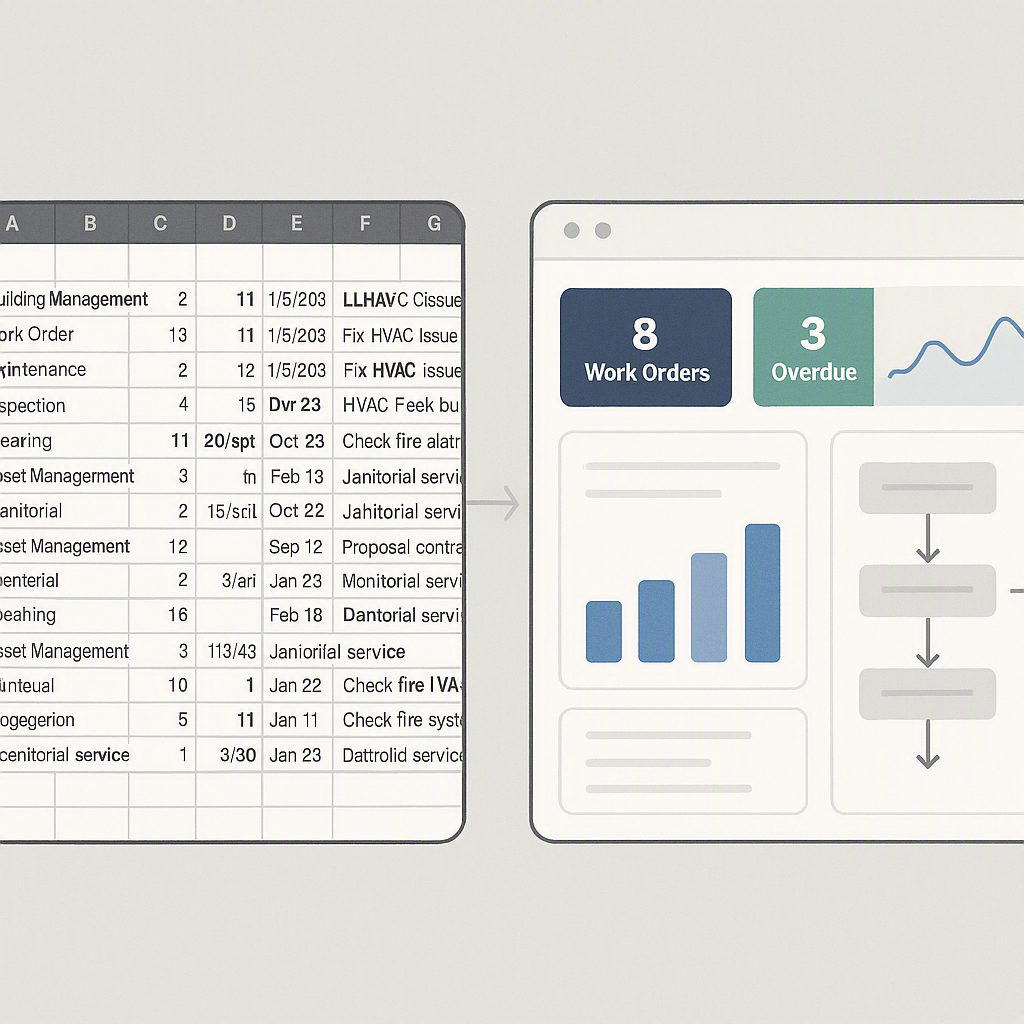
When a subcontractor’s costs overrun or procurement misses a deadline, margins take a hit. Yet, many mid-market contractors still rely on Excel sheets or disconnected tools to monitor costs. This patchwork approach is a recipe for disaster.
Enter SaaS ERP.
Why SaaS ERP Changes the Game for Construction
The key advantage of SaaS ERP? It unifies your operations — tendering, procurement, billing, HR, and finance — into one connected platform. No more juggling five different tools that don’t talk to each other. And because it's cloud-based, you get real-time access to data from anywhere.
Let’s break down five specific ways SaaS ERP tackles margin erosion:
1. Real-Time Profitability Tracking
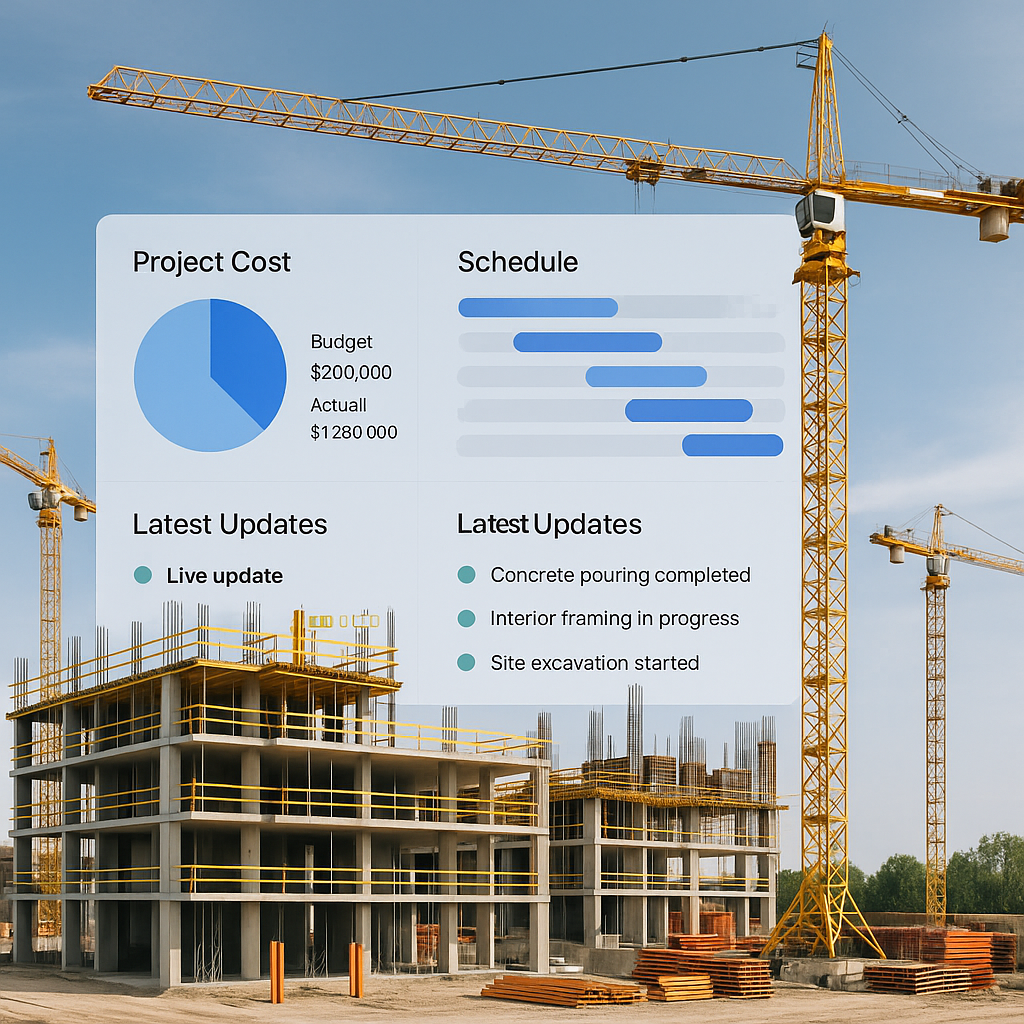
You can’t fix what you can’t see. With SaaS ERP like JobNext, contractors gain real-time visibility into project costs vs. budget across BOQs, scopes, and estimates.
Here’s an example: A mid-size HVAC contractor in Oman running 12 concurrent projects discovered they were losing 8% of their margins because of poor subcontractor cost controls. After implementing JobNext’s BOQ-based tracking, they could monitor profitability live and step in before issues spiraled. The result? A 15% improvement in project margins within six months.
2. Structured Procurement Workflows
Procurement delays and cost overruns are silent killers. SaaS ERP eliminates manual chaos with a structured workflow: Material Request (MR) → RFQ → Vendor Offers → PO, with built-in approval chains.
For instance, this JobNext blog explains how a general contractor in India reduced material procurement delays by 30% simply by using automated RFQ tracking. No more missed deadlines or overpriced purchases.
3. Accurate Billing Across Multiple Methods
Revenue leakage happens when billing doesn’t match actual progress. Whether you’re doing RA bills, stage-wise payments, or supply BOQ billing, SaaS ERP ensures nothing slips through the cracks.
One JobNext customer, a UAE-based MEP contractor, recovered nearly $500,000 in missed billables in their first year by using the platform’s six billing methods. That’s not pocket change.
4. Subcontractor Cost Controls
Measurement-based progress tracking is a game-changer. It ensures you’re only paying for completed work. With JobNext, subcontractor payments are linked directly to verified progress measurements.
Why does this matter? Because, as another JobNext article documents, unchecked subcontractor costs can overrun budgets by up to 10% per project. SaaS ERP stops this by giving you control over every rupee.
5. Compliance Without the Headache
GST, TDS, PF, ESI, and bank guarantees — the regulatory burden on contractors is immense. A SaaS ERP with compliance features built-in (like JobNext) automates this process. Tally integration ensures statutory deductions and filings are accurate and on time.
What’s Holding You Back?
You might be thinking, "We’ve been running fine on our current systems. Why change?" Fair question. But consider this: every project you run without real-time visibility is a project where you’re risking your margins. And with SaaS ERP, there’s no massive upfront cost. It’s subscription-based, so you pay monthly and scale as you grow.
For those still skeptical, I recommend reading this post on why contractors without cloud ERP are bleeding margins. It’s eye-opening.
Final Thoughts
SaaS ERP isn’t just another tool. It’s the backbone of modern construction companies who want to protect their margins and scale sustainably. Real-time project profitability, streamlined procurement, accurate billing, and compliance automation aren’t luxuries anymore — they’re necessities.
If you’re running multiple projects and still relying on spreadsheets, you’re leaving money on the table. The best SaaS ERP for construction, like JobNext, fixes that. Isn’t it time to stop the bleed?
Ready to see JobNext in action?
Multi-tenant SaaS ERP for construction, facilities management, and contracting — covering preconstruction, project execution, procurement, HR & payroll, equipment, finance, and 150+ analytics reports.
Get Started Free →Learn more at JobNext.ai