Why Construction Projects Bleed Money
It’s a story you’ve heard (or lived through) too many times: a project starts with a solid budget and a clear timeline, but somewhere along the way, costs spiral out of control. By the time the dust settles, the profit margin is gone, and you’re left wondering where it all went wrong.
Cost overruns aren’t just frustrating—they’re a threat to your business. According to Deloitte’s 2025 Engineering and Construction Industry Outlook, 35% of construction firms reported that budget overruns significantly impacted their financial results. In the GCC and India, where competition is fierce and margins are razor-thin, this problem is even more acute.
But here’s the thing: overruns aren’t inevitable. Most stem from preventable issues. Let’s break down the top eight causes of cost overruns—and what you can do to avoid them.
1. Inaccurate Project Estimates
Bad estimates are where most cost overruns start. If your budget is based on flawed assumptions, you’re in trouble before you even begin. Overestimating project scope, underestimating material quantities, or relying on outdated rate schedules can all blow up your budget.
Why Inaccurate Estimates Happen
- Lack of data-driven forecasting: Many contractors rely on gut feel or past experiences, which may not account for current market changes or project-specific complexities.
- Outdated pricing: Materials, labor, and equipment costs fluctuate frequently, especially in volatile regions like GCC.
- Ignoring risk factors: Unexpected delays, weather disruptions, or regulatory changes can throw even the best plans off course.
The Fix
- Use detailed BOQ (Bill of Quantities)-based estimates: Break your project down into granular components to ensure precision. This reduces guesswork and allows for a more accurate projection of material and labor costs.
- Conduct thorough reviews: Always cross-check your estimates with historical data, current market prices, and risk factors. Tools like JobNext’s BOQ Rate Analysis let you compare quoted rates, scheduled rates, and actual cost rates side by side.
- Establish an approval workflow: JobNext’s estimate workflow requires estimates to be reviewed and approved, locking them in as the official budget baseline. This eliminates ambiguity and ensures accountability from the start.
2. Scope Creep
It starts small: a client requests a minor addition. Maybe it’s a few extra outlets or a slight tweak to the layout. But those ‘minor’ changes add up fast. Before you know it, the scope has expanded, and your costs are through the roof.
Why Scope Creep Happens
- Lack of detailed project documentation: Ambiguity in the initial agreement leaves room for clients to request frequent changes.
- Weak change management processes: Without strict controls, you may find yourself accommodating requests without assessing their impact.
- Pressure to please clients: Contractors often say “yes” to changes to maintain relationships, ignoring cost implications.
The Fix
- Control changes rigorously: Every change must be tied back to an approved Work Order (WO). This ensures accountability and transparency.
- Track budget implications: JobNext’s Subcontractor Budget Burn Report ensures every WO amendment is tracked against the original budget. This way, you can identify when changes are pushing you into the red.
- Communicate clearly: Create a detailed scope document upfront, outlining what’s included—and what isn’t. Make sure clients sign off on this document to avoid disputes later.
3. Poor Procurement Practices
Procurement is a minefield. Incorrect quantities, buying unnecessary materials, or choosing the wrong vendors can cripple your budget. In regions like the GCC, where supply chain disruptions are common, this risk multiplies.
Why Procurement Goes Wrong
- Fragmented requisitions: Without centralized control, teams may place duplicate or unnecessary orders.
- Vendor selection based solely on price: Low-cost suppliers often compromise on quality or delivery timelines, leading to delays and additional costs.
- Lack of visibility: Many contractors fail to track procurement costs against the project’s budget.
The Fix
- Centralize procurement: Use a unified process for material requisitions, RFQs, and purchase orders. JobNext’s MR→RFQ→PO workflow with budget validation prevents unauthorized purchases and duplicate orders.
- Leverage bulk purchasing power: Collate material requisitions across multiple projects to negotiate better pricing with vendors.
- Use comparative vendor statements: Rank vendors not just on price but also on quality, capacity, and reliability. This ensures you’re making informed decisions.
4. Delayed Subcontractor Payments
This one’s a silent killer. Missed or delayed payments frustrate your subcontractors, leading to stalled work and strained relationships. Worse, disputes over measurements or payment terms can drag on for weeks, causing project delays.
Why Payment Delays Occur
- Manual billing systems: These are prone to errors and slow processing.
- Disputes over measurements: Without clear documentation, disagreements can hold up payments.
- Cash flow mismanagement: Contractors sometimes delay payments due to liquidity issues.
The Fix
- Automate subcontractor billing cycles: JobNext offers measurement-based billing with scheduled retention and recovery controls. By processing running bills regularly—e.g., measurements by the 25th, bills by the 5th, and payments by the 30th—you can keep subcontractors happy and projects on track.
- Standardize measurement processes: Use tools to ensure measurements are accurate and disputes are minimized.
- Improve cash flow planning: Forecast payments and allocate funds in advance to avoid delays.
5. Inadequate Real-Time Cost Tracking
Think about this: How often do you check your project’s financials? If the answer is “every few weeks” or worse, “only when problems arise,” you’re flying blind. Costs can snowball quickly, and by the time you notice, the damage is done.
Why Cost Tracking Fails
- Overreliance on retrospective reporting: Many firms only review financials after the project is completed.
- Lack of integrated systems: Fragmented tools make it hard to get a single view of project costs.
- Delayed data entry: When updates don’t happen in real-time, your reports are outdated before they’re even reviewed.
The Fix
- Adopt real-time cost monitoring: Use systems that provide live updates on labor, materials, equipment, and overheads. JobNext’s Project Progress Report gives you projected P&L at any point during the project.
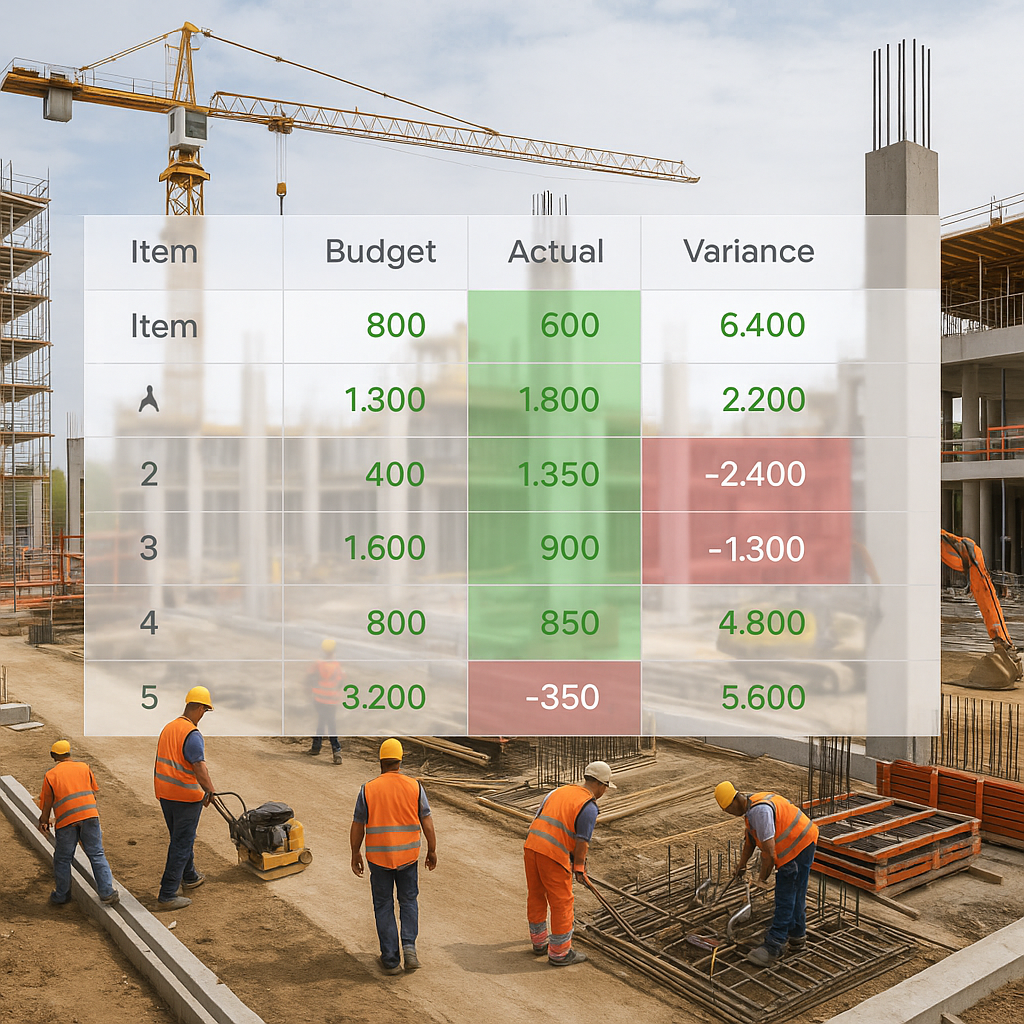
- Spot variances early: Compare actual versus budgeted costs regularly to identify issues before they escalate.
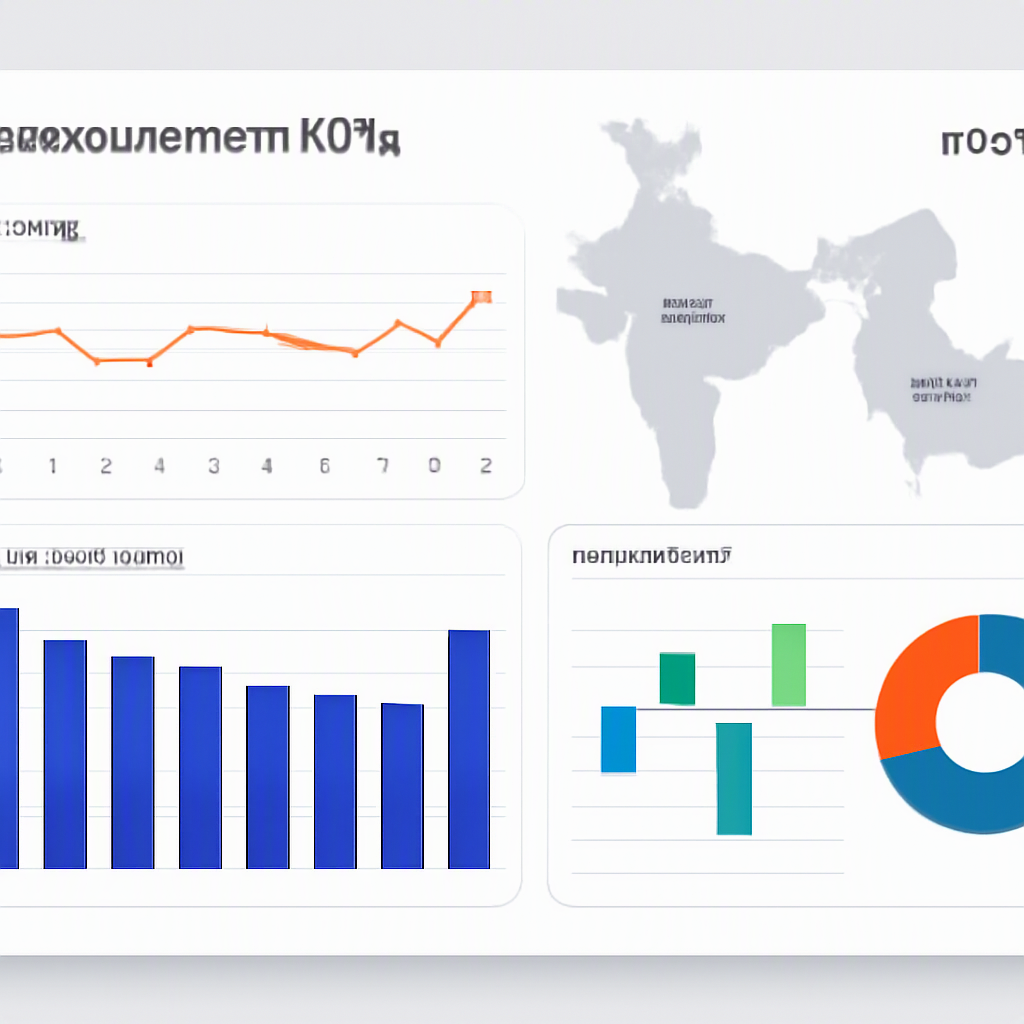
- Use dashboards for quick insights: Visual tools help you understand financial health at a glance and make faster decisions.
6. Inefficient Resource Utilization
Unused equipment sitting idle on-site. Workers waiting around for materials to arrive. These inefficiencies hammer your budget day after day. According to a McKinsey & Company report from 2025, 30% of a construction worker’s time is spent on non-productive activities like waiting for instructions or materials.
Why Resource Inefficiencies Occur
- Poor scheduling: Lack of coordination leads to idle time.
- Over-purchasing equipment: Without planning, you may end up paying for unused machinery.
- Inadequate tracking: If you can’t monitor usage, inefficiencies go unnoticed.
The Fix
- Plan resources meticulously: Allocate labor, materials, and equipment based on a 5-factor formula (quantity, rate, schedule, BOQ, and scope). JobNext’s resource estimation feature simplifies this process.
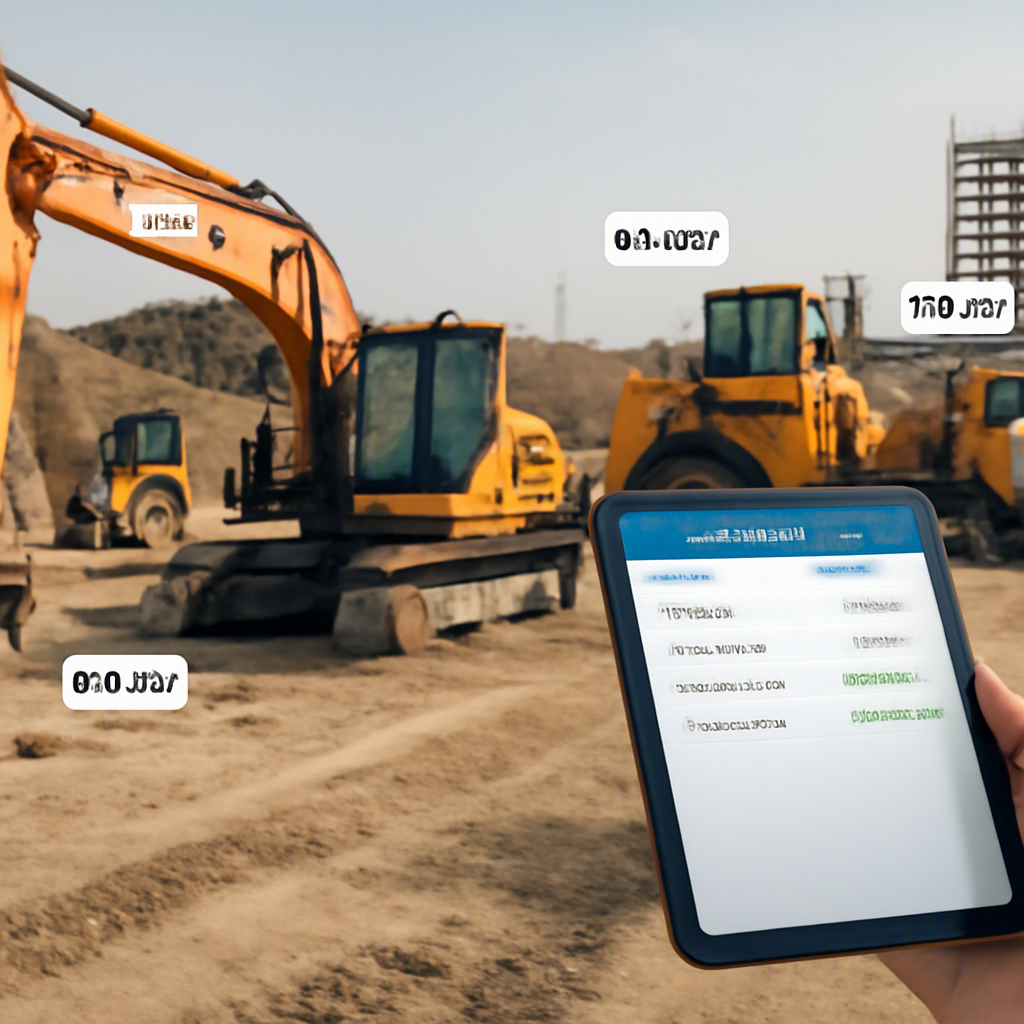
- Monitor equipment usage: Track utilization with tools like JobNext’s plant and machinery lifecycle module. This helps you avoid overpaying for underused equipment.
- Optimize schedules: Use software to create detailed work plans that minimize downtime.
7. Revenue Leakage in Billing
Revenue leakage is a fancy way of saying you’re not getting paid for all the work you’ve done. Whether it’s due to missed line items, incorrect billing methods, or unapproved variations, this is money down the drain.
Why Revenue Leakage Happens
- Manual invoicing errors: Missing items or incorrect calculations reduce your revenue.
- Untracked material usage: Materials used on site may not align with what was billed.
- Unapproved variations: Doing extra work without formal client approval leaves you footing the bill.
The Fix
- Implement flexible billing systems: Use tools like JobNext, which supports six types of contractor billing, from RA Bills to one-time invoices. Tie every method to approval workflows.
- Automate material tracking: JobNext’s Supply BOQ Billing auto-triggers material issue notes from inventory, ensuring every item is billed.
- Standardize invoicing reviews: Implement a checklist to ensure all line items and variations are accounted for.
8. Compliance Failures
In the GCC and India, compliance isn’t optional. GST, TDS, PF, ESI—missing these can result in hefty fines and legal trouble. And don’t forget bank guarantees, which often expire unnoticed.
Why Compliance Fails
- Manual tracking: Deadlines and requirements are easy to miss without automated reminders.
- Lack of integration: Disconnected systems make it hard to consolidate compliance data.
- Underestimating penalties: Some contractors fail to prioritize compliance, leading to costly fines.
The Fix
- Automate compliance tracking: Use tools like JobNext that integrate with accounting software like Tally and provide automated alerts for upcoming deadlines.
- Centralize regulatory requirements: Set up a compliance calendar to track all obligations in one place.
- Train your team: Ensure your staff understands the importance of compliance and knows how to use tracking systems effectively.
Comparison Table: Common Causes of Cost Overruns and Their Solutions
| Cause | Why It Happens | Solution |
|---|---|---|
| Inaccurate Estimates | Outdated pricing, lack of data-driven forecasting | BOQ-based estimates, approval workflows, variance analysis tools |
| Scope Creep | Ambiguity in project scope, weak change management | Tie changes to approved Work Orders, use budget tracking tools |
| Poor Procurement Practices | Fragmented requisitions, vendor selection mistakes | Centralized procurement, bulk purchasing, vendor comparative analysis |
| Subcontractor Payment Delays | Manual processes, disputes over measurements | Automate billing cycles, standardize measurements, improve cash flow |
| Poor Cost Tracking | Retrospective reporting, fragmented data systems | Real-time monitoring, dashboards, regular variance analysis |
| Inefficient Resource Use | Poor scheduling, unused equipment | Resource estimation tools, lifecycle management, optimized scheduling |
| Revenue Leakage | Invoicing errors, untracked materials, unapproved variations | Automated billing systems, material tracking, checklist for invoicing |
| Compliance Failures | Missed deadlines, manual tracking, lack of training | Automated compliance tracking, integration with accounting systems |
Final Thoughts
Cost overruns aren’t random. They’re the product of poor planning, weak controls, and outdated systems. But the good news? They’re fixable.
If your projects are bleeding money, JobNext can help. From real-time cost tracking to automated billing and compliance, it’s the all-in-one ERP for contractors in the GCC and India. Get started today →.
Learn more at JobNext.ai