Why Procurement KPIs Matter More Than Ever for Construction Contractors
Let’s face it, procurement is a headache for many construction contractors, especially in India and the GCC. Materials get delayed, subcontractor costs spiral out of control, and the pressure to hit tight project deadlines doesn’t help. But here’s the kicker: most of these issues boil down to one thing—poor visibility into your procurement process. Contractors often don’t know what’s going wrong until it’s too late.
That’s where procurement KPIs (Key Performance Indicators) come in. These metrics aren’t just corporate lingo—they’re real tools for tackling inefficiencies, reducing costs, and improving supplier performance. In a field where a single delayed delivery or cost overrun can erase your margins, ignoring procurement KPIs is like flying blind in a storm.
But here’s the problem: many contractors don’t know where to start. Most of the advice out there is either too generic or written for industries that don’t deal with the unique challenges of construction. So, let’s break it down. What are the procurement KPIs that actually matter, and how can you use them to drive profitability?
The Unique Challenges of Construction Procurement in India and the GCC
Before we dive into the metrics, let’s talk about why construction procurement is particularly challenging in regions like India and the GCC. A lot of contractors here juggle multiple projects across scattered sites, often in different cities or countries. Add to that the layers of complexity from GST/TDS compliance in India or multi-currency transactions in the GCC, and you’ve got a recipe for chaos.
Here are some of the most common pain points:
-
BOQ Misalignment: Budgets are set based on BOQs (Bill of Quantities), but without proper tracking, actual costs often exceed estimates. This eats into your margins faster than you can say "variation order." The lack of synchronization between estimation and procurement can lead to mismatched priorities, especially when actual costs spike unexpectedly.
-
Supplier Performance Issues: Late deliveries, incorrect quantities, or subpar quality materials can bring projects to a halt. These disruptions ripple across the project timeline, increasing idle labor costs and jeopardizing deadlines.
-
Manual Procurement Processes: Many contractors still rely on spreadsheets or emails to manage requisitions, RFQs, and purchase orders. Without a centralized system, it’s nearly impossible to track metrics effectively or identify bottlenecks.
-
Compliance Headaches: In India, GST and TDS compliance are non-negotiable. In the GCC, you’ve got to deal with VAT and region-specific procurement laws. Missing a single statutory requirement can lead to costly penalties. The dynamic nature of these regulations adds to the complexity.
Sound familiar? The good news is that these challenges aren’t insurmountable. The right KPIs, tracked properly, can highlight problem areas and give you the data you need to fix them.
Top 10 Procurement KPIs for Construction Contractors
Not all KPIs are created equal. Here are the ten most actionable procurement KPIs for construction contractors, tailored for the realities of the Indian and GCC markets:
1. RFQ to Offer Cycle Time (Days)
- What it is: The average number of days between creating an RFQ (Request for Quotation) and receiving the first vendor offer.
- Why it matters: Long RFQ-to-offer times can delay the entire procurement cycle, pushing project timelines and increasing costs. Shortening this metric speeds up decision-making and minimizes project disruptions.
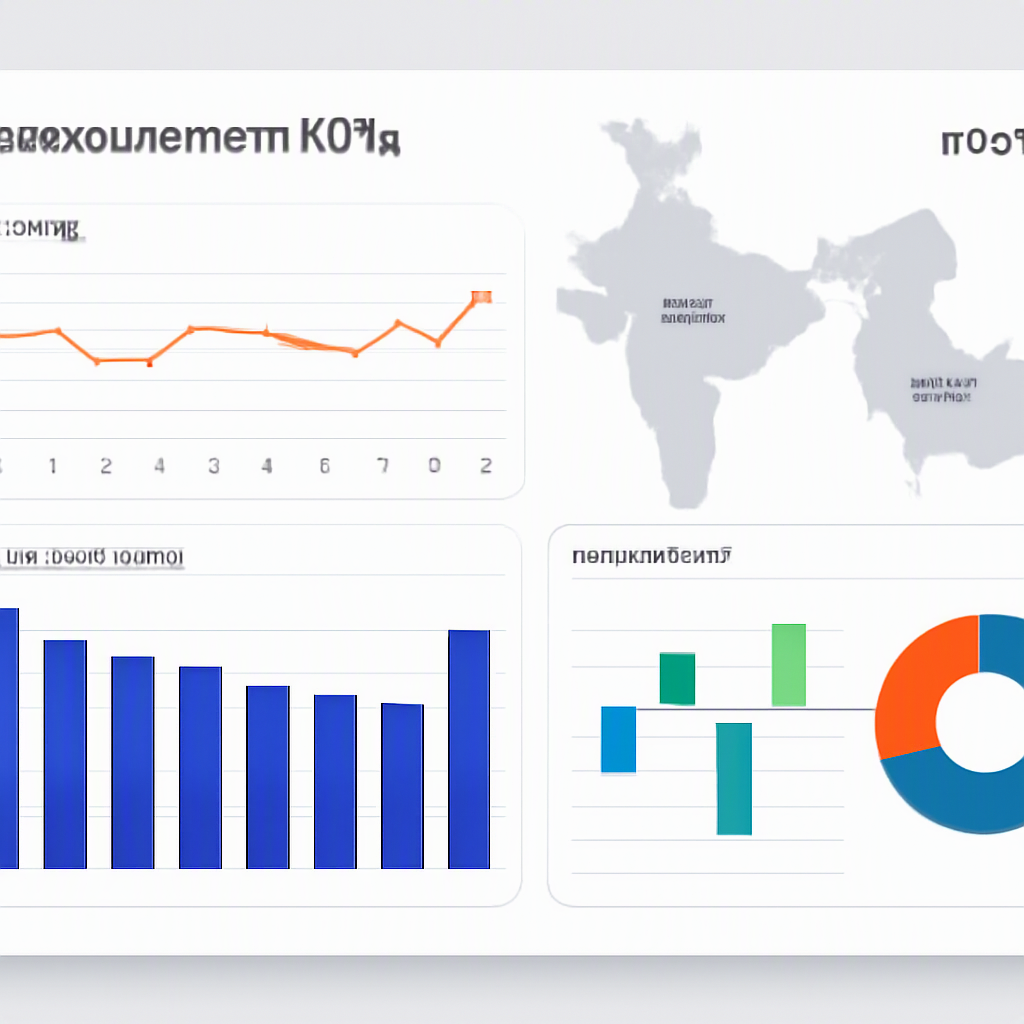
- How to track: Use a procurement dashboard to monitor RFQ timestamps against offer receipts. Tools like JobNext simplify this with automated tracking.
- Actionable Step: Establish clear deadlines for vendors to respond to RFQs and use automated reminders to enforce compliance. Consider pre-qualifying vendors to avoid delays caused by unresponsive or unprepared suppliers.
2. Offer to PO Approval Cycle Time (Days)
- What it is: The time it takes to move from selecting a vendor offer to getting the purchase order (PO) approved.
- Why it matters: Delays here can indicate bottlenecks in the approval process. A streamlined approval workflow can cut down this time significantly, ensuring materials are ordered promptly.
- Tip: Implement multi-level approval workflows to keep things moving without compromising accountability. JobNext’s structured MR→RFQ→PO workflow does this seamlessly.
- Actionable Step: Conduct a review of your approval hierarchy; eliminate unnecessary layers and empower managers to approve smaller purchase orders directly. Automate notifications to ensure approvers act quickly.
3. PO to Delivery Cycle Time (Days)
- What it is: The number of days between a PO approval and the delivery of materials to the site.
- Why it matters: Late deliveries disrupt project schedules, leading to idle labor and equipment. This metric directly impacts your ability to meet deadlines.
- How to track: Compare promised delivery dates against actual delivery dates. JobNext’s dashboards include a heatmap to highlight vendor performance.
- Actionable Step: Use penalty clauses in contracts for late deliveries and incentivize early or on-time delivery. Also, monitor vendor lead times to identify patterns and adjust your procurement schedule accordingly.
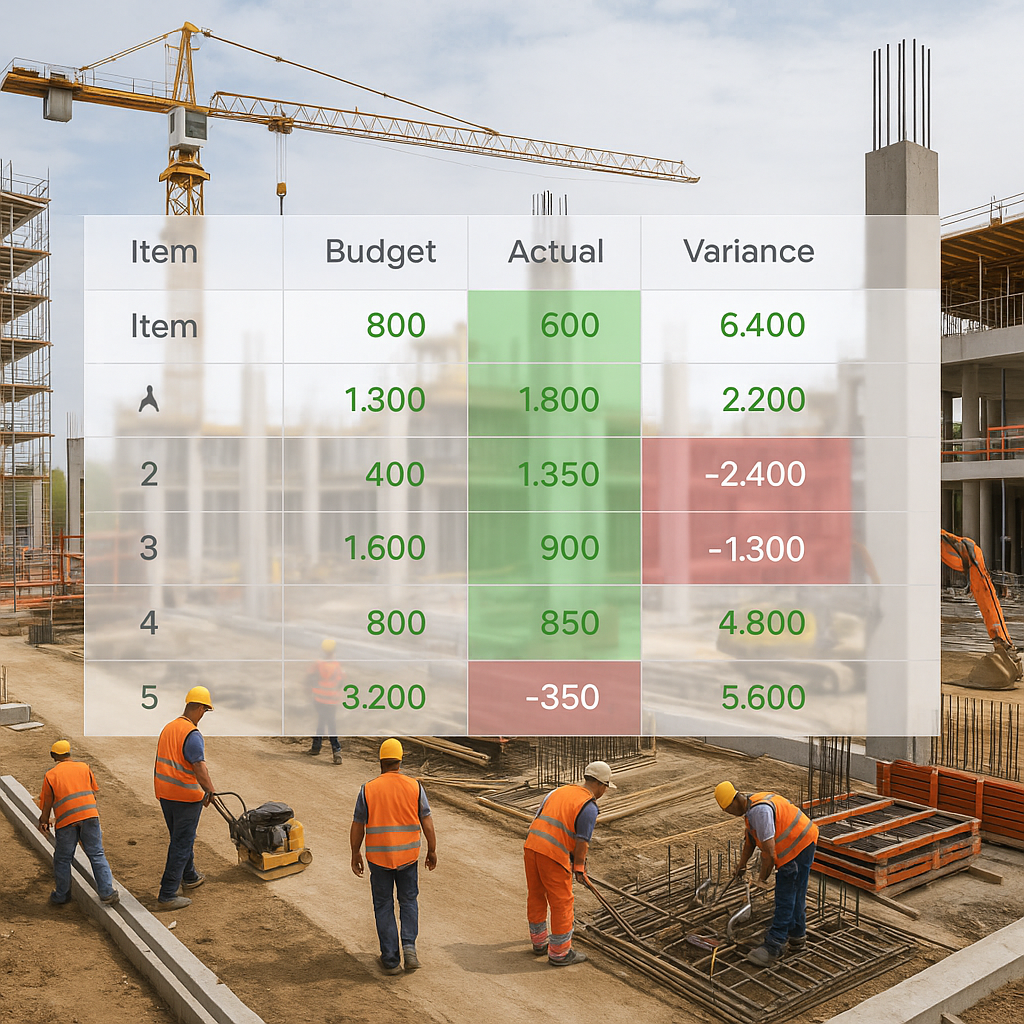
4. Budget vs. Actual Cost Variance (%)
- What it is: The percentage difference between the budgeted material cost (based on BOQ) and the actual purchase cost.
- Why it matters: This KPI directly measures procurement efficiency and helps identify areas of overspending.
- Example: If your BOQ allocated ₹1,000,000 for steel but the actual PO cost was ₹1,200,000, you’ve got a 20% overrun. Not good.
- Actionable Step: Regularly audit your BOQ assumptions and actual spending to catch discrepancies early. Consider historical trends when setting budgets to improve accuracy.
5. Supplier On-Time Delivery Rate (%)
- What it is: The percentage of deliveries made on or before the promised date.
- Why it matters: Reliable suppliers reduce the risk of project delays. This KPI also helps you identify vendors who consistently underperform.
- Actionable Step: Rank suppliers by their on-time delivery rates and prioritize high-performing vendors for critical orders. Diversify your vendor base to mitigate risks from unreliable suppliers.
6. Top Vendors by Spend (Pareto Analysis)
- What it is: A breakdown of procurement spend by vendor, often visualized in a Pareto chart.
- Why it matters: This KPI can help you identify over-reliance on a single vendor and manage concentration risk.
- Actionable Step: Diversify your vendor pool for high-risk categories to avoid disruptions. Set a maximum spend threshold for individual vendors to distribute risk.
7. Material Defect Rate (%)
- What it is: The percentage of materials received that fail quality checks.
- Why it matters: High defect rates lead to costly rework and delays. This metric is essential for evaluating supplier quality.
- Actionable Step: Implement stricter quality control processes and negotiate return policies with vendors upfront. Use material inspection checklists to catch issues early.
8. Procurement Spend by Category
- What it is: A breakdown of total spend by material type (e.g., concrete, steel, MEP components).
- Why it matters: Helps you understand where your money is going and identify high-cost areas for negotiation or alternative sourcing.
- Actionable Step: Use historical data to forecast high-spend categories and negotiate annual contracts to lock in better rates. Regularly review category spend to identify areas for optimization.
9. Order Accuracy (%)
- What it is: The percentage of POs delivered without errors in quantity, specifications, or quality.
- Why it matters: Frequent errors indicate poor vendor performance or issues in your procurement process.
- Actionable Step: Enforce vendor audits and introduce automated checks during the PO process. Ensure your procurement team verifies specifications before placing POs.
10. Spend Under Contract (%)
- What it is: The percentage of procurement spend covered by pre-negotiated contracts.
- Why it matters: High contract coverage means better cost predictability and fewer last-minute purchase price fluctuations.
- Actionable Step: Build long-term relationships with reliable vendors and prioritize contract agreements for high-volume items. Monitor contract renewal dates to avoid lapses.
Comparison Table: Selecting the Right Procurement KPIs
| KPI Name | Best For | Key Benefit | Tools to Track |
|---|---|---|---|
| RFQ to Offer Cycle Time | Speeding up vendor responses | Faster decision-making | JobNext, dashboards |
| PO to Delivery Cycle Time | Monitoring delivery punctuality | Preventing project delays | JobNext, heatmaps |
| Budget vs. Actual Variance | Tracking cost overruns | Improved financial management | JobNext, analytics |
| Material Defect Rate | Evaluating supplier quality | Reducing rework and delays | Quality control tools |
| Spend Under Contract | Managing cost predictability | Reduced price volatility | Contract management |
Final Thoughts
Procurement KPIs aren’t just numbers on a dashboard—they’re the roadmap to profitability. For contractors in India and the GCC, where compliance and cost pressures are high, tracking the right metrics can make all the difference.
If you’re ready to take control of your procurement process, JobNext can help. Its structured workflows and real-time dashboards make KPI tracking simple and actionable.
Learn more at JobNext.ai