The Evolution of Profitability Monitoring in Construction
Once upon a time, I thought profitability monitoring was just about keeping an eye on revenue and expenses. Simple spreadsheets and periodic reviews seemed sufficient. But as projects in the GCC and India grew more complex, coupled with tighter margins, this approach felt outdated.
The Old Approach: Simplicity and Its Shortcomings
Why did I hold on to the old belief for so long? Initially, it worked decently when projects were less complex. The simplicity of manual tracking felt manageable and didn't require major investments in new technology. Plus, many in the industry operated similarly, reinforcing the status quo. Spreadsheets and periodic reviews provided a basic overview, but they lacked the depth needed to quickly identify and address emerging issues.
The Shift to Real-Time Monitoring
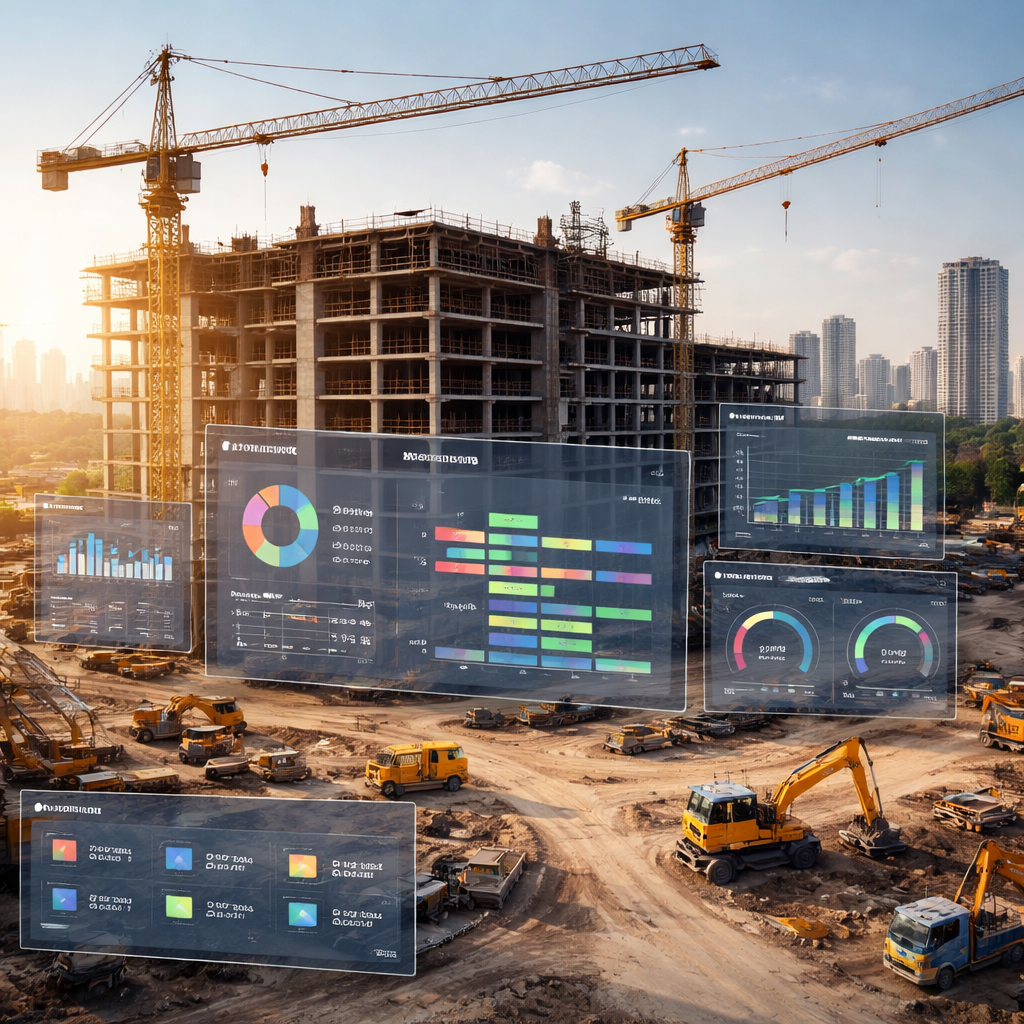
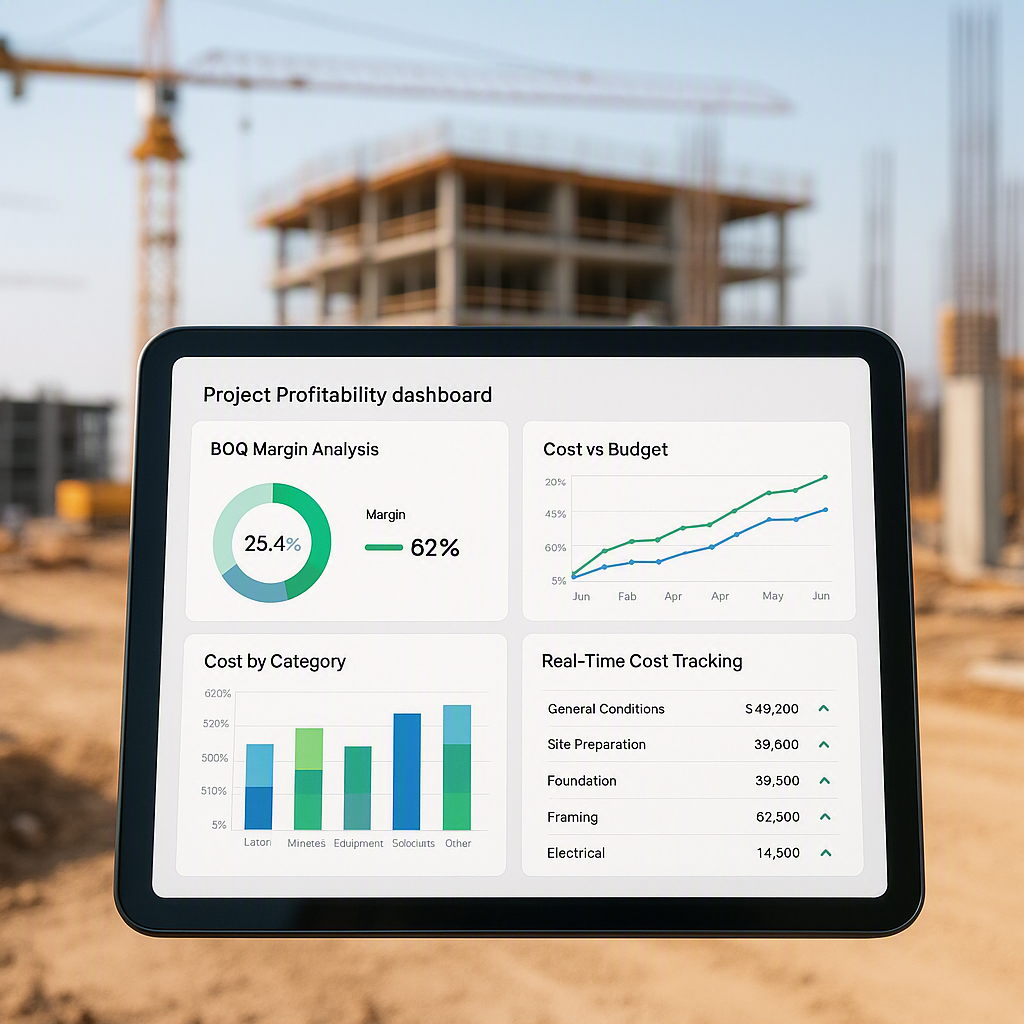
However, the realization that real-time monitoring could significantly enhance profitability metrics was eye-opening. By integrating systems, contractors can achieve a unified platform that not only tracks BOQ margins but also manages procurement and billing workflows seamlessly. This system replaces the need for multiple tools, providing real-time data that alerts managers to potential margin erosion before it spirals out of control.
Actionable Steps for Integration
-
Assess Current Tools and Processes: Evaluate what systems you currently use for tracking expenses and revenues. Identify gaps where real-time data could provide additional insights.
-
Choose the Right Platform: Look for platforms that offer comprehensive features, such as BOQ Progress and Budget Burn analysis. Ensure they can integrate with existing tools to minimize disruption.
-
Invest in Training: Ensure your team is well-versed in utilizing these new systems. Proper training can maximize the benefits of real-time monitoring.
-
Set Up Automated Alerts: Configure your system to send alerts when certain thresholds are met. This allows for proactive management of potential issues.
Features That Boost Profitability Monitoring
Now, I approach profitability monitoring with a focus on integration and real-time data. Instead of relying on monthly reports, I ensure that systems are in place to provide continuous insights. Features like BOQ Progress and Budget Burn analysis have become essential tools in this strategy, offering visibility that was previously lacking.
Comparison Table: Traditional vs. Integrated Systems
| Feature | Traditional Systems | Integrated Real-Time Systems |
|---|---|---|
| Data Update Frequency | Monthly/Periodic | Real-Time |
| Visibility | Limited | Comprehensive |
| Error Identification | Reactive | Proactive |
| Manual Data Entry | High | Minimal |
| Integration with Tools | Often Non-existent | Seamless |
The Cost of Being Wrong
What did being wrong about this cost me? A few missed opportunities to catch issues early, leading to avoidable financial strains. And I'm still navigating the best ways to tailor profitability metrics specifically for contractors in GCC and India, given the unique market dynamics they face.
Tailoring Metrics for Specific Markets
Contractors in the GCC and India face unique challenges, such as regulatory compliance and fluctuating material costs. Tailoring profitability metrics to these realities can involve:
- Incorporating Local Compliance Tools: Ensure your monitoring system includes tools for tracking local regulations and compliance.
- Adjusting for Currency Fluctuations: Use systems that can dynamically adjust for exchange rate changes, crucial for international projects.
- Material Cost Tracking: Implement real-time tracking of material costs to quickly adapt to market changes.
Transforming Profitability Monitoring
For those interested in transforming their profitability monitoring, integrating features like real-time dashboards and compliance tools can support contractors in optimizing their financial health. Explore various solutions to see how they can support your projects.
By embracing these changes, contractors can not only improve their bottom line but also gain a competitive edge in an increasingly complex market. The transition may require an upfront investment in technology and training, but the long-term benefits of improved profitability and reduced financial strain make it worthwhile.
In conclusion, the shift towards integrated, real-time profitability monitoring is not just a trend but a necessity in today's fast-paced construction industry. As we continue to navigate this landscape, staying informed and adaptable will be key to maintaining financial health and success.
Learn more at JobNext.ai