Tailoring Construction ERP for GCC and India: Beyond the Basics
In the past, I thought ERP systems were pretty much the same across industries. Plug it in, and it works, right? That was until I delved into the construction sector across the GCC and India. Here, the unique challenges and regulatory landscapes demand more than a one-size-fits-all approach.
The Reality Check
What changed my mind? A detailed report from ERP Focus made it clear that not all ERP systems could handle the complexities of construction. The need for specific features like multi-site management and GST compliance became evident. The report highlighted gaps in focus from many ERP providers, especially concerning local compliance systems like GST and TDS.
Key Features to Consider
- Multi-Site Management: Essential for construction companies operating across multiple locations. It allows real-time data synchronization, essential for decision-making and resource allocation.
- GST and TDS Compliance: These local tax regulations in India are complex, requiring ERP systems to adapt to ensure compliance and avoid legal penalties.
- Multi-Currency Support: Important for projects in GCC and India where transactions often occur in different currencies.
Why the Old Belief Persisted
For a long time, the belief that a generic ERP could suffice held strong. Many companies, even in the construction industry, opted for well-known global ERP systems like Microsoft Dynamics or SAP, thinking they were getting the best. These systems are robust, but they often lack the regional adaptations necessary for compliance and efficiency in GCC and India.
Comparison of Global vs. Local ERP Solutions
| Feature | Global ERP Systems | Localized ERP Solutions |
|---|---|---|
| Regional Compliance | Limited | Extensive |
| Customizability | Moderate | High |
| Cost of Implementation | High | Varies |
| Support for Local Languages | Limited | Extensive |
Doing Things Differently
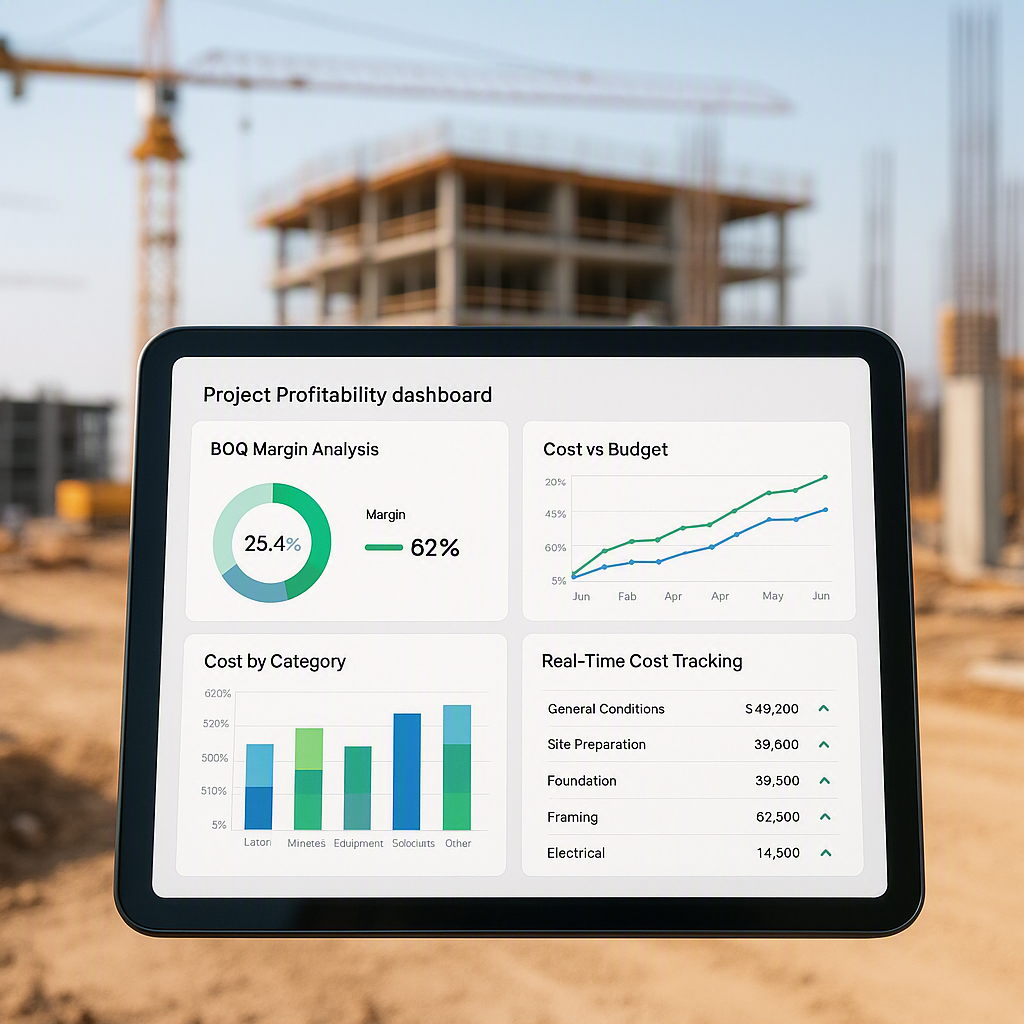
Now, when evaluating ERP systems for construction, I look for those tailored to local needs. JobNext, for example, offers a unified platform addressing specific regional challenges such as multi-currency support and compliance with local tax regulations like GST and TDS. This is crucial for companies operating in countries like India and UAE, where regulations can be a labyrinth.
Actionable Steps to Select the Right ERP
- Identify Key Regional Requirements: Understand specific compliance needs, such as tax regulations or labor laws.
- Evaluate ERP Features: Check for features like project management, financial accounting, and HR capabilities.
- Request Demos: Test the ERP with real-world scenarios relevant to your operations.
- Analyze Total Cost of Ownership (TCO): Consider not just the initial cost but ongoing support and customization expenses.
The Cost of Being Wrong
Not adapting to a region-specific ERP system can cost contractors significant amounts in fines and project delays. A lack of compliance features leads to manual interventions, increasing the risk of errors. Furthermore, not having a system that supports multi-site operations can result in inefficiencies and lost revenues.
Potential Consequences
- Fines and Legal Issues: Non-compliance with local laws can incur substantial penalties.
- Project Delays: Inefficiencies in tracking and managing resources can lead to overruns.
- Data Inaccuracies: Manual data entry increases the chances of errors, affecting decision-making.
What I’m Still Unsure About
While systems like JobNext provide tailored solutions, new regulations and technological advancements mean continuous updates are essential. Staying compliant while also leveraging emerging ERP trends like AI and IoT remains a challenge. Premier's cloud construction ERP highlights the need for constant innovation to stay ahead.
Navigating Future Challenges
- Continuous Monitoring: Regularly review and update ERP systems to align with new regulations.
- Embrace Innovation: Explore trends like AI for predictive analytics and IoT for real-time monitoring to enhance ERP capabilities.
In conclusion, if you're dealing with regulatory complexities and multi-site project management in the GCC and India, an ERP system like JobNext can help. Get started free →
Learn more at JobNext.ai