Understanding Project Profitability in Construction
Once, I thought project profitability was just about keeping costs under control. But in construction, especially in regions like the GCC and India, it's more than that. You need to know your margins in real-time. Why? Because construction projects often run across multiple sites with diverse teams and fluctuating costs. Real-time monitoring keeps your projects on track financially, preventing surprises that can erode margins.
Key Tools for Real-Time Profitability Monitoring
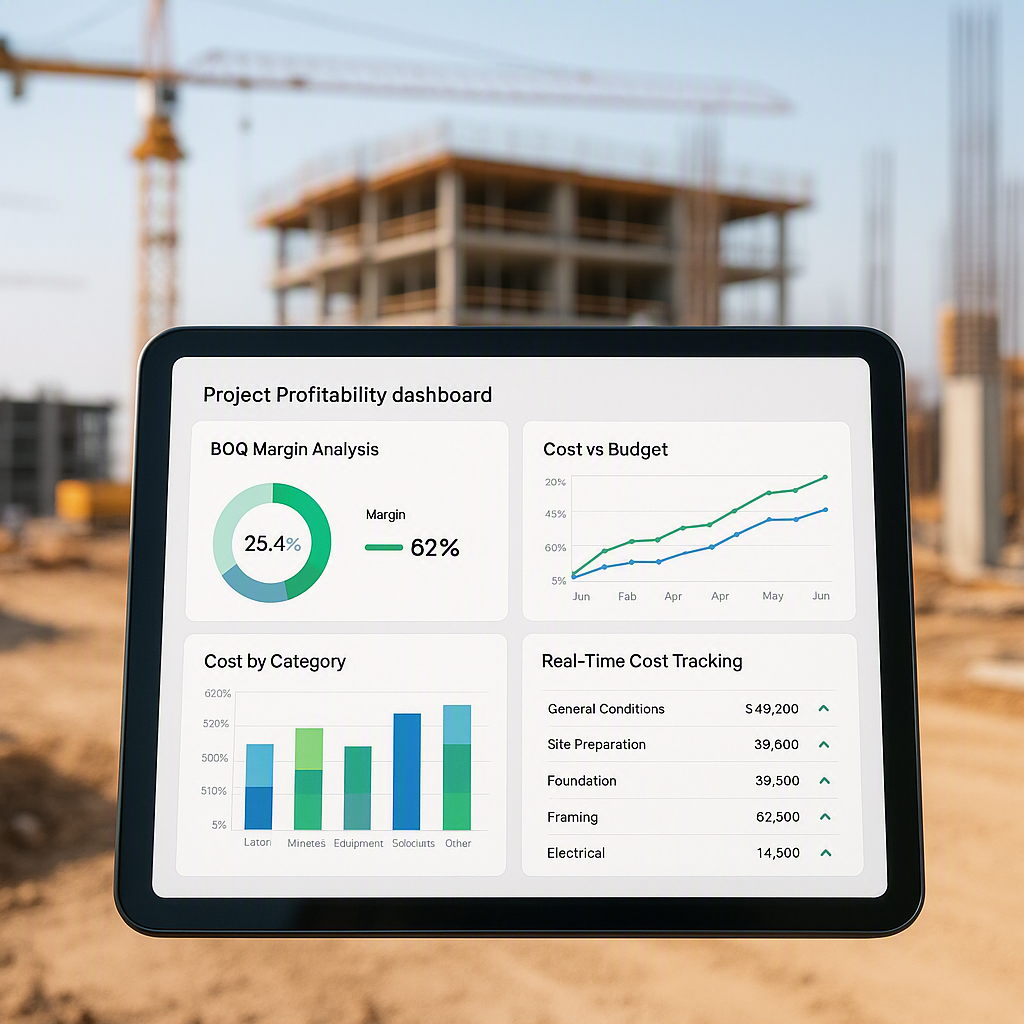
Effective tools for monitoring project profitability provide live insights by integrating various aspects of project management into one platform. Forget waiting until month-end for financial reports. With real-time dashboards, you can monitor work completion percentages, cost variances, and budget consumption as they happen.
Actionable Steps:
- Select the Right Software: Choose a platform that integrates seamlessly with your existing systems. Look for features like live tracking of expenses, timeline forecasts, and resource management.
- Implement Training Programs: Ensure that your team is well-versed in using these tools. Proper training can enhance the accuracy and efficiency of data entry and analysis.
- Regular Updates: Keep your software updated to leverage new features and security patches. This ensures smooth operation and accurate reporting.
Integrating Profitability Monitoring with Existing ERP Systems
Integrating new tools with existing ERP systems can be seamless with the right platform. This integration ensures that all your data—from BOQ margins to subcontractor costs—flows smoothly, providing a unified view of project profitability.
Comparison Table: Standalone Tools vs. ERP Integrated Tools
| Feature | Standalone Tools | ERP Integrated Tools |
|---|---|---|
| Data Consistency | May vary | High consistency |
| Integration Complexity | Low | Medium |
| Real-Time Data Availability | Limited | Extensive |
| Cost | Lower | Higher |
The table above illustrates how ERP integrated tools, while potentially more costly, offer superior data consistency and real-time availability. This can be crucial for large-scale projects.
Visualizing Data for Better Decision Making
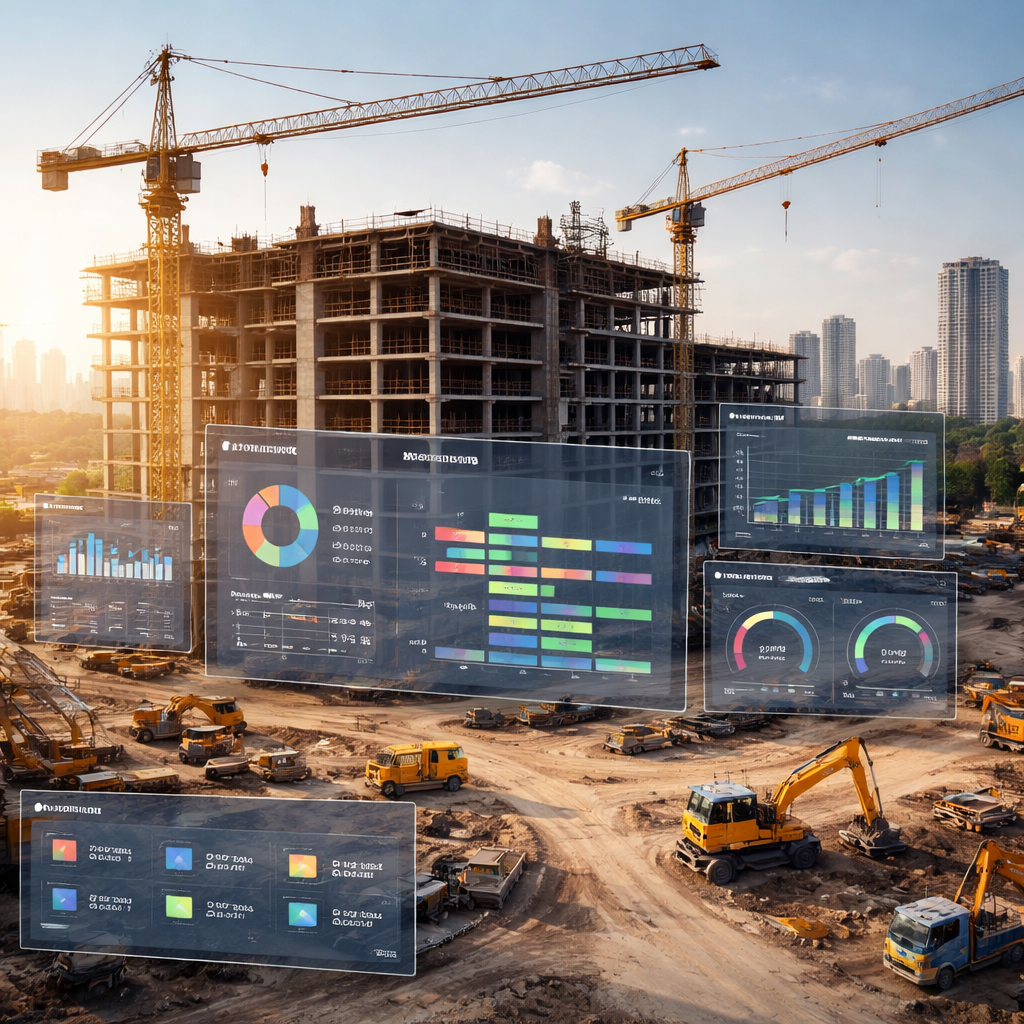
Data visualization is not just a fancy term. It’s a necessity. When you're managing multiple projects, seeing data in charts and graphs can highlight trends you might miss in spreadsheets. Tools that offer pre-built reports and real-time dashboards help make sense of complex data. This visual clarity aids in making informed decisions quickly.
Methods:
- Use Interactive Dashboards: These allow you to drill down into specific data points for deeper insights.
- Leverage Heat Maps: Identify underperforming areas quickly and allocate resources accordingly.
- Set Alerts and Notifications: Automated alerts can notify you of cost overruns or schedule delays, enabling timely corrective actions.
Addressing Multi-Site Operational Challenges
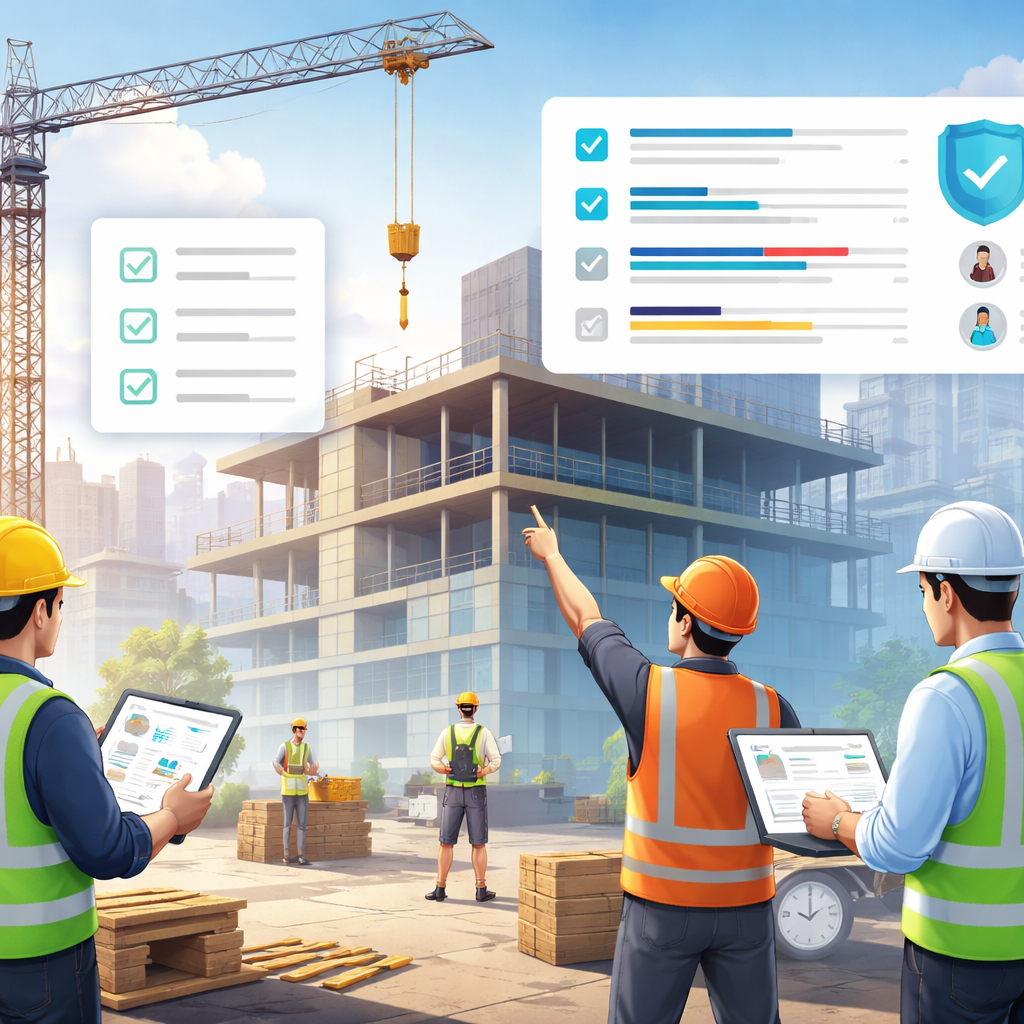
Managing operations across multiple sites comes with its own set of challenges. Having a real-time view of each site's profitability is crucial. Tools that provide detailed reports on resource allocation and equipment utilization help keep multi-site operations under control. This prevents resource wastage and ensures every project is contributing positively to your bottom line.
Advisory Preparation Tools:
- Resource Allocation Software: Use tools to dynamically allocate resources based on project needs and site conditions.
- Equipment Tracking Systems: Maintain an inventory of equipment usage to optimize deployment and reduce idle time.
Ensuring Compliance with Statutory Requirements
Compliance is a big deal in the regions we operate in. Previously, I underestimated its impact on profitability. But missing compliance can lead to hefty fines and project delays. Ensuring compliance by integrating statutory reporting features helps avoid those costly pitfalls.
Steps to Ensure Compliance:
- Regular Audits: Conduct compliance audits to ensure all processes are aligned with local regulations.
- Stay Updated: Keep abreast of changes in laws and regulations in your operating regions.
What Being Wrong Cost
Underestimating the need for real-time monitoring cost us more than just money. It caused project delays and strained relationships with partners. I'm still not sure if there's a perfect system out there, but what I've learned is that real-time data isn't just a nice-to-have; it's essential. If you're dealing with project profitability challenges, exploring these methods can help.
By implementing the right tools, integrating them effectively, and ensuring compliance, construction projects can achieve greater financial control and predictability. This approach not only safeguards margins but also builds stronger, more reliable workflows that can adapt to the ever-changing landscape of the construction industry.
Learn more at JobNext.ai