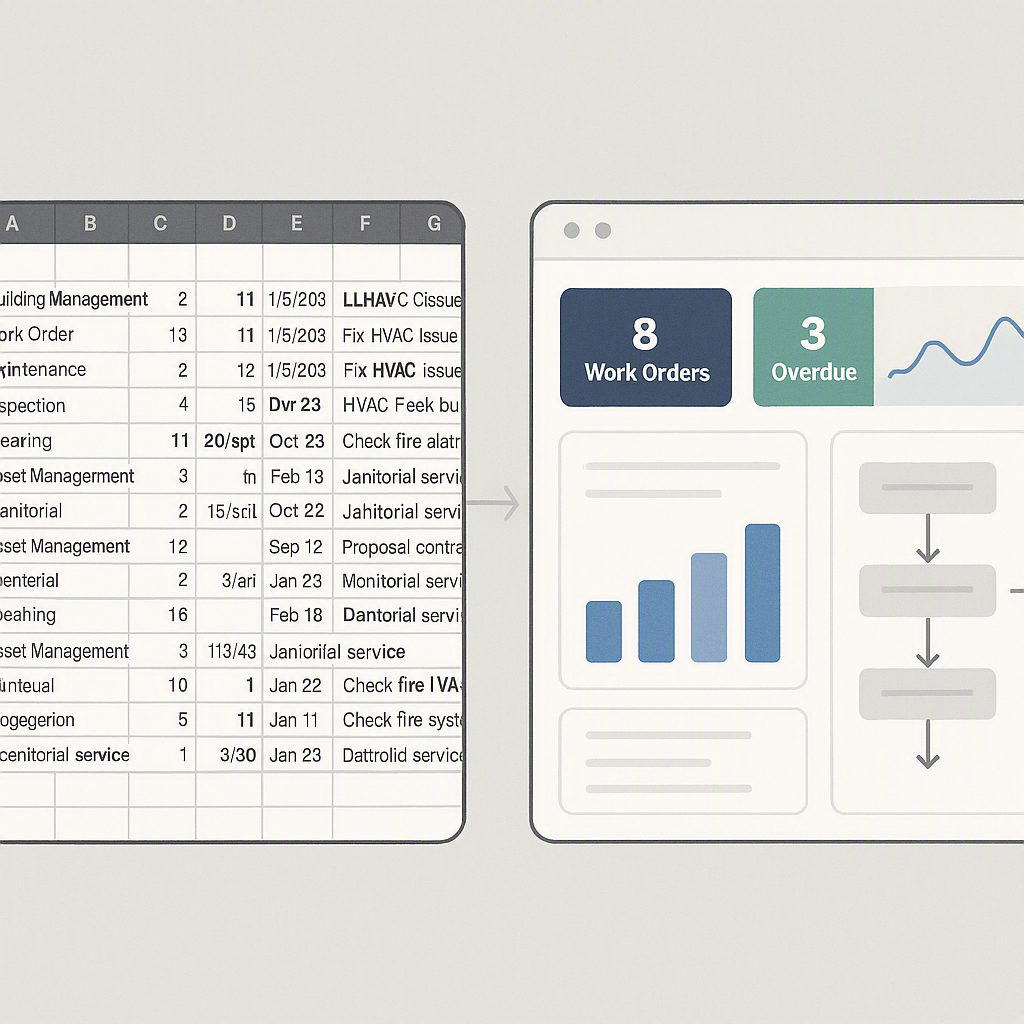
Procurement Chaos: The Silent Profit Killer
Let’s be honest—procurement isn’t exactly the most glamorous part of construction. But it’s where a lot of money is lost. And I mean a lot. We’ve seen contractors in India and the GCC regions bleed profits from issues like missed vendor deadlines, over-ordering, and price discrepancies. In today’s construction market, where margins hover between 2-7%, those losses hurt. They’re often the difference between profit and a failed project.
But here’s the kicker: most of these losses are avoidable. The real culprit? Manual procurement processes. Think endless back-and-forth over emails, approvals delayed because someone’s traveling, or misfiled RFQs that lead to duplicate orders. Sound familiar? You’re not alone. According to a McKinsey report, 70% of contractors report inefficiencies in their procurement workflows.
A Real Solution: Structured Digital Workflows
So what’s the fix? Many mid-size contractors across India and the GCC are turning to ERP platforms like JobNext to digitize procurement workflows. Let’s break down how this works in practice.
Take the Material Requisition (MR) to Purchase Order (PO) workflow. Traditionally, this involves multiple spreadsheets, WhatsApp messages, and phone calls to chase approvals. You know what that leads to: delays, errors, and sometimes ordering materials you don’t even need. With a structured digital workflow, the entire process is automated and centralized.
Here’s what that looks like:
- Step 1: A site engineer raises an MR through the ERP system.
- Step 2: The MR flows through pre-configured approval chains (no emails required).
- Step 3: Once approved, RFQs are automatically sent to vendors.
- Step 4: Vendors submit offers directly into the system, where they’re compared side-by-side.
- Step 5: The selected offer is converted into a PO with a single click.
No more miscommunication. No more delays. And crucially, no more overpaying because you didn’t compare vendor quotes properly.
The Numbers Don’t Lie
One of our clients, a mid-size MEP contractor in Dubai, cut their procurement cycle time by 30% after implementing JobNext. They also reduced material costs by 12% in the first year, simply by enforcing vendor comparisons and approval workflows. Those savings went straight to their bottom line.
And it’s not just about cost savings. Compliance improves too. For Indian contractors, GST compliance is baked into the system. GCC companies benefit from automated VAT calculations. No more last-minute scrambles to fix invoices for audits.
Why This Matters Now
You might be thinking, "Digital transformation sounds great, but we’re too busy to implement something like this." That’s fair. But here’s the thing: the longer you wait, the more money you lose. And your competitors? They’re already going digital. In fact, a PwC report found that 65% of GCC contractors plan to invest heavily in procurement technology by 2025.
As we said in The Hidden Cost of Tool Fragmentation, sticking with disconnected systems doesn’t just slow you down—it actively erodes your profitability. Unified platforms like JobNext eliminate that fragmentation, giving you a single source of truth for procurement, finance, and project execution.
The Takeaway
If procurement chaos is eating into your margins, now’s the time to act. Digital workflows offer a proven solution to streamline processes, cut costs, and improve compliance. Whether you’re in Mumbai or Muscat, the tools are out there. The question is: will you use them?
For a deeper dive into how contractors are modernizing operations, check out Construction Digital Transformation: A No-Nonsense Roadmap for Mid-Size Contractors. It’s a practical guide to getting started without overwhelming your team.
Key Findings:
- Manual procurement processes lead to delays, errors, and profit leakage.
- Structured digital workflows reduce procurement cycle times by 30% or more.
- Compliance improves significantly with built-in GST/VAT tracking.
Practical Next Steps:
- Assess your current procurement process. Where are the bottlenecks?
- Explore ERP platforms with end-to-end procurement modules.
- Start small—digitize one workflow (e.g., MR to PO) and scale from there.
Learn more about JobNext’s procurement features here.
Ready to see JobNext in action?
Multi-tenant SaaS ERP for construction, facilities management, and contracting — covering preconstruction, project execution, procurement, HR & payroll, equipment, finance, and 150+ analytics reports.
Get Started Free →Learn more at JobNext.ai