Why Margins Are Shrinking in Construction
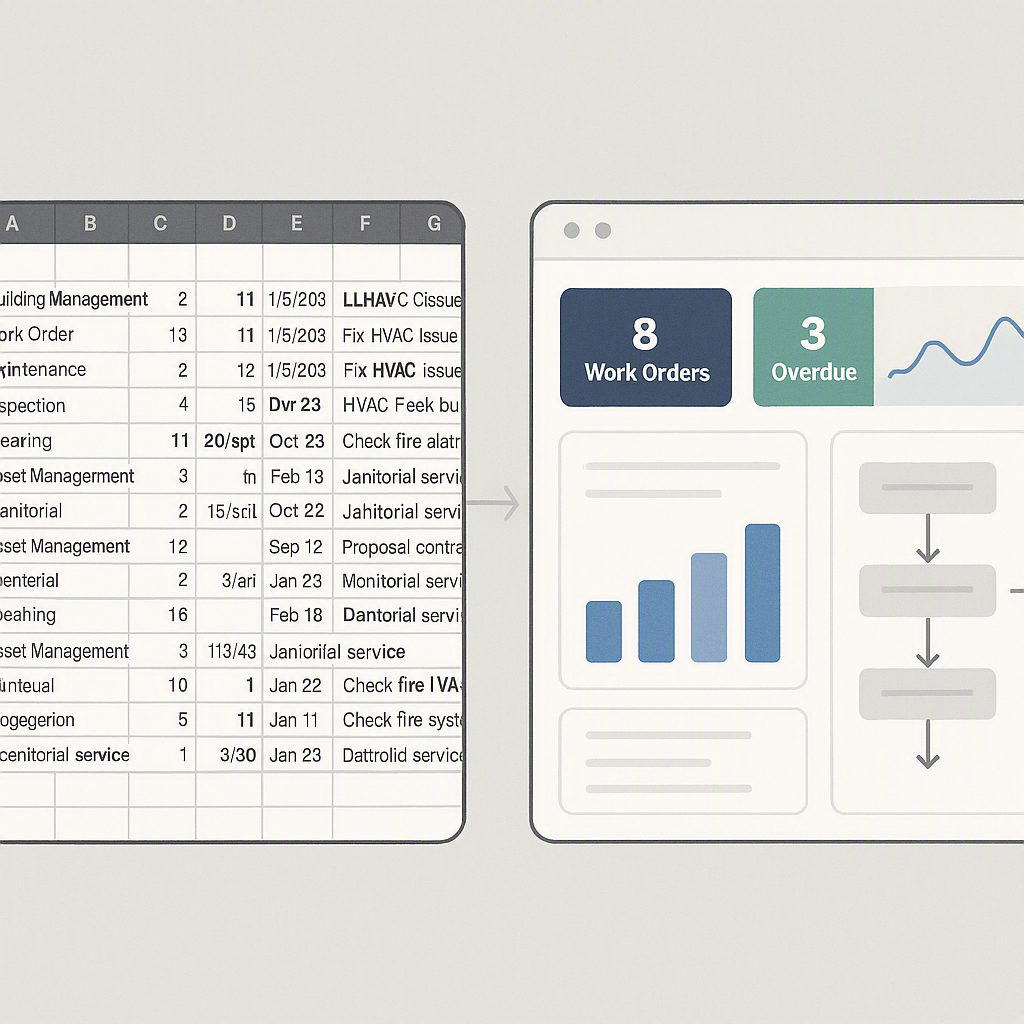
Margins in construction are razor-thin. If you’re managing multiple projects without real-time cost tracking, it’s a recipe for disaster. Miss a billing deadline or underestimate project costs, and your profits vanish. Worse, most mid-market contractors rely on spreadsheets or disconnected tools that don’t talk to each other. Sound familiar?
Take billing, for example. Many contractors still handle RA bills manually, juggling spreadsheets and emails. One missed RA bill or delayed stage-wise invoice can choke cash flow. According to JobNext, missing revenue in billing is a silent killer for contractors. And it’s not just billing. Procurement workflows are chaotic too—material requests, vendor RFQs, and purchase orders often get stuck in approval chains or lost altogether.
How SaaS ERP Solves These Problems
SaaS ERP systems like JobNext are built for this chaos. They consolidate tendering, billing, procurement, HR, and finance into one platform. No more jumping between tools or manually reconciling data.
Real-Time Cost Tracking
JobNext tracks job profitability in real time, breaking down costs across BOQs, scopes, and estimates. You can see exactly where your margins are eroding before it’s too late. For example, if subcontractor costs spike unexpectedly, you’ll catch it immediately and adjust.
Automated Procurement Workflows
Instead of chasing approvals through email threads, JobNext structures the entire procurement process into a clear MR → RFQ → PO workflow. Every step has built-in approval chains, so nothing falls through the cracks.
Comprehensive Billing Methods
JobNext supports six billing types, including RA bills, stage-wise billing, and supply-based BOQs. This means you’ll never miss revenue due to incomplete or delayed billing. And everything is integrated—billing connects seamlessly to your project scopes and estimates.
Practical Example: A Mid-Sized Contractor in GCC
Let’s look at a real-world scenario. A contractor in the UAE was managing 12 concurrent projects. They were losing margins due to chaotic procurement and delayed RA bills. After switching to JobNext, their procurement cycle time dropped by 40%, and they recovered over AED 250,000 in missed billing within six months. The key? Real-time tracking and structured workflows.
The SaaS Advantage
Why SaaS ERP specifically? It’s simple:
- Scalability: Need to add users or projects? SaaS grows with you.
- Anywhere Access: Managers and site leads can log in from any device.
- Automatic Updates: No downtime for upgrades or compliance tweaks.
Compare that to on-premise systems, which require heavy IT overhead, manual updates, and limited access. SaaS ERP is just easier.
What’s the Catch?
You might be thinking: “Do I really need SaaS ERP?” The obvious objection is cost. SaaS ERP isn’t cheap upfront. But consider the alternative. What’s the cost of one missed RA bill? Or a subcontractor overbilling you by 10%? For most contractors, those losses far exceed the subscription fees.
Ready to Stop Losing Margins?
Contractors can’t afford to bleed profits in today’s market. SaaS ERP like JobNext fixes real problems—poor cost tracking, disconnected systems, manual billing chaos—and ensures every rupee is accounted for. Want to dive deeper into margin erosion and how SaaS ERP addresses it? Check out Why Contractors Need Cloud ERP to Stop Margin Erosion.
Key Takeaways:
- Margins in construction are shrinking due to poor cost tracking and manual workflows.
- SaaS ERP systems like JobNext provide real-time visibility, automated procurement, and seamless billing.
- Contractors in GCC and India are recovering millions by switching to SaaS ERP.
Call to Action: Explore how JobNext solves margin erosion and revenue leakage with practical features tailored for contractors. Learn more.
Ready to see JobNext in action?
Multi-tenant SaaS ERP for construction, facilities management, and contracting — covering preconstruction, project execution, procurement, HR & payroll, equipment, finance, and 150+ analytics reports.
Get Started Free →Learn more at JobNext.ai