Choosing the Right ERP: Why Billing Workflows Matter
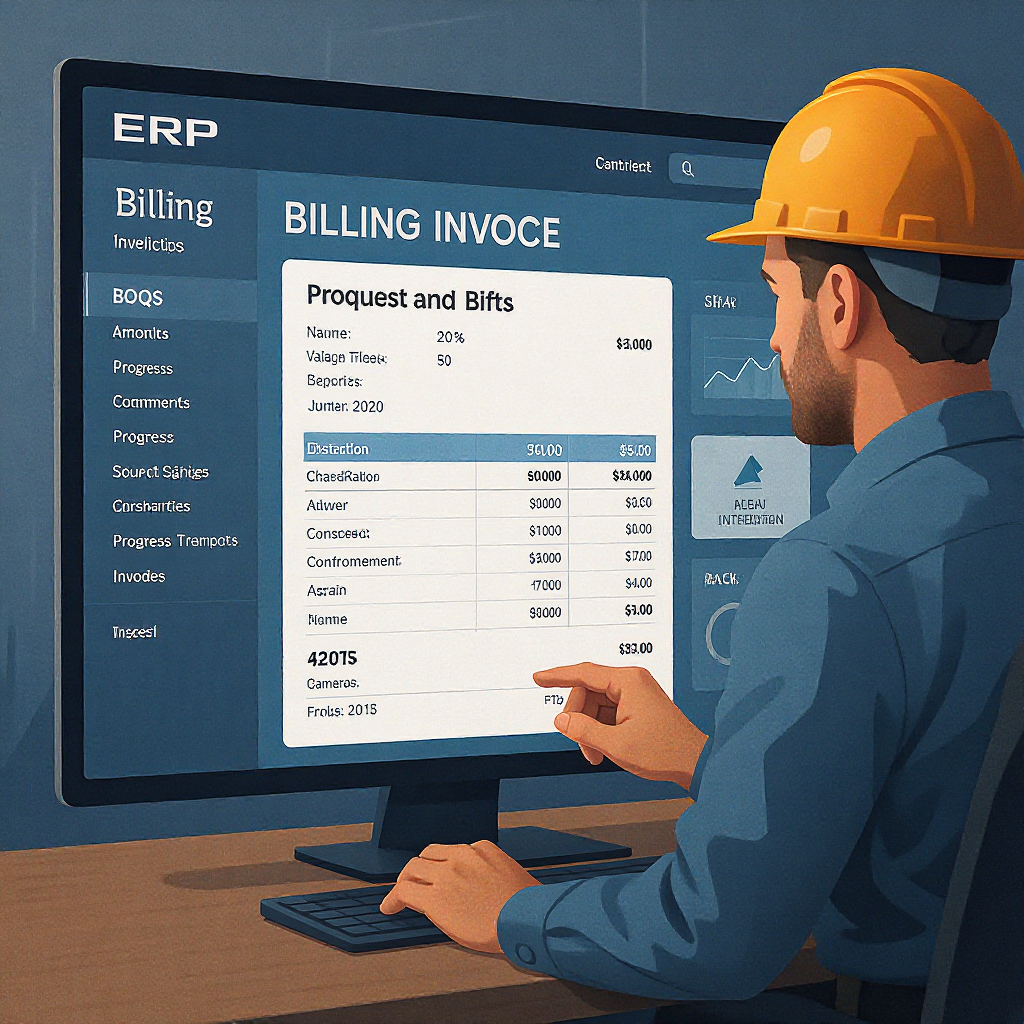
Contractors don’t just bill once and call it a day. Depending on the type of project, you might be dealing with RA bills, stage-wise billing, monthly invoices, supply BOQ, combined billing, or one-time payments. Each method brings its own complexity — and the risk of revenue leakage.
Why does this matter? Because billing errors aren’t just frustrating; they’re expensive. The Construction Financial Management Association (CFMA) estimates that errors and delays in billing can eat up 5-10% of revenue on large projects. That’s your margin gone.
The Problem: Generic ERPs Aren’t Built for Contracting
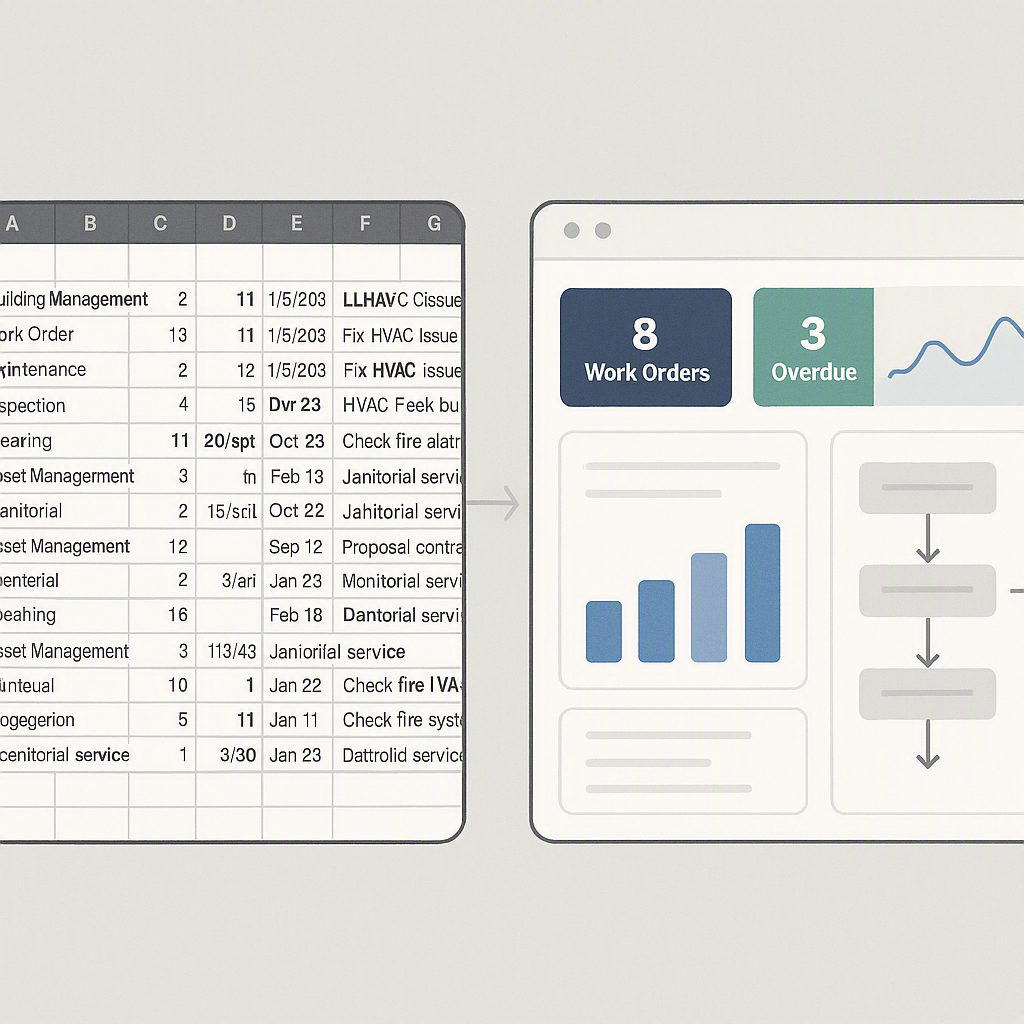
Most ERP systems aren’t designed for contractors. They’re built for manufacturing or retail, where billing is straightforward. In contracting, you need workflows that account for partial progress, complex BOQs, and retention clauses. If the ERP can’t handle these, you’re back to spreadsheets and manual corrections.
Take RA billing, for example. It requires tracking work progress against measurements, calculating retention, and ensuring compliance with contract terms. A generic ERP might let you create an invoice, but can it track measurements or automatically calculate retention? Probably not.
What to Look For in an ERP
So, how do you avoid these pitfalls? Look for an ERP that:
- Supports Multiple Billing Methods: RA bills, stage-wise, monthly, supply BOQ, combined billing, and one-time payments should be standard features.
- Automates Retention and Compliance: Retention percentages, GST/TDS compliance, and other statutory requirements should be baked into the system.
- Integrates Measurement Tracking: For subcontractor payments, measurement-based progress tracking is critical.
- Offers Approval Workflows: Multi-level approvals reduce errors and fraud in billing.
Example: JobNext’s Billing Module
JobNext’s ERP was built specifically for contracting businesses. Its billing module supports all six billing methods, automates retention calculations, and integrates measurement tracking directly into subcontractor workflows. This means less manual work and fewer errors.
For example, if you’re billing stage-wise, JobNext lets you set up a BOQ hierarchy and track progress directly against the WBS. It also ensures compliance with GST and TDS, so you don’t have to worry about statutory issues slipping through the cracks.
Real-World Lessons
In “The Hidden Cost of Tool Fragmentation: Why Contractors Need Unified Platforms”, JobNext.ai highlights how fragmented systems lead to billing errors. If your teams are using separate tools for invoicing, measurement tracking, and compliance, it’s inevitable that things will fall through the cracks. Unified platforms make sure every piece of data flows seamlessly.
A Checklist for ERP Evaluation
Here’s a quick checklist to evaluate ERP systems:
- Can it handle all six billing methods used in contracting?
- Does it automate retention and compliance calculations?
- Is measurement tracking integrated into subcontractor workflows?
- Are approval workflows customizable?
- Does it offer real-time reporting on revenue leakage?
Conclusion: Don’t Settle for Generic
Choosing the right ERP isn’t just about saving time; it’s about protecting your margins. If your ERP can’t handle contracting-specific billing workflows, you’re leaving money on the table. Look for systems like JobNext that are built for the realities of your industry.
For a deeper dive into ERP implementation strategies, check out “ERP Implementation for Contractors: The Phased Approach That Actually Works”. It’s a practical guide to rolling out ERP systems without overwhelming your team.
Ready to see JobNext in action?
Multi-tenant SaaS ERP for construction, facilities management, and contracting — covering preconstruction, project execution, procurement, HR & payroll, equipment, finance, and 150+ analytics reports.
Get Started Free →Learn more at JobNext.ai