Margin Erosion: The Silent Killer in Construction
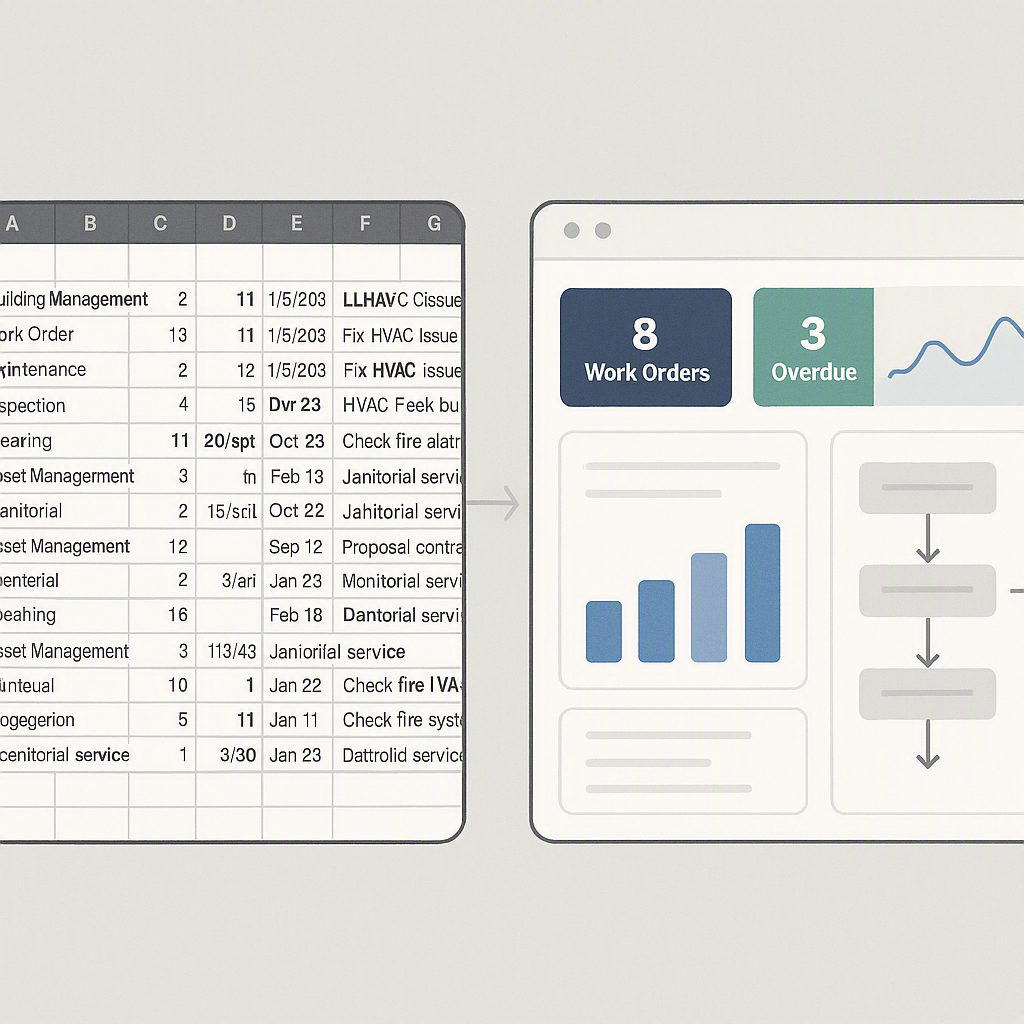
Margins in construction are razor-thin — typically 2-7%, depending on the trade and project scale. Add unexpected cost overruns, late-stage billing issues, or subcontractor mismanagement, and you’re staring at red numbers before the project even closes. What’s worse? Most contractors don’t even see it coming because their systems don’t offer real-time visibility.
The solution is mobile enterprise applications. Not just any app, but ones designed to solve specific problems like real-time cost tracking. Why does this matter? Because the difference between profitability and loss is often hidden in the daily details: material requests approved without scrutiny, subcontractor progress inaccurately measured, or billing delays that stretch into months.
Why Mobile is the Future
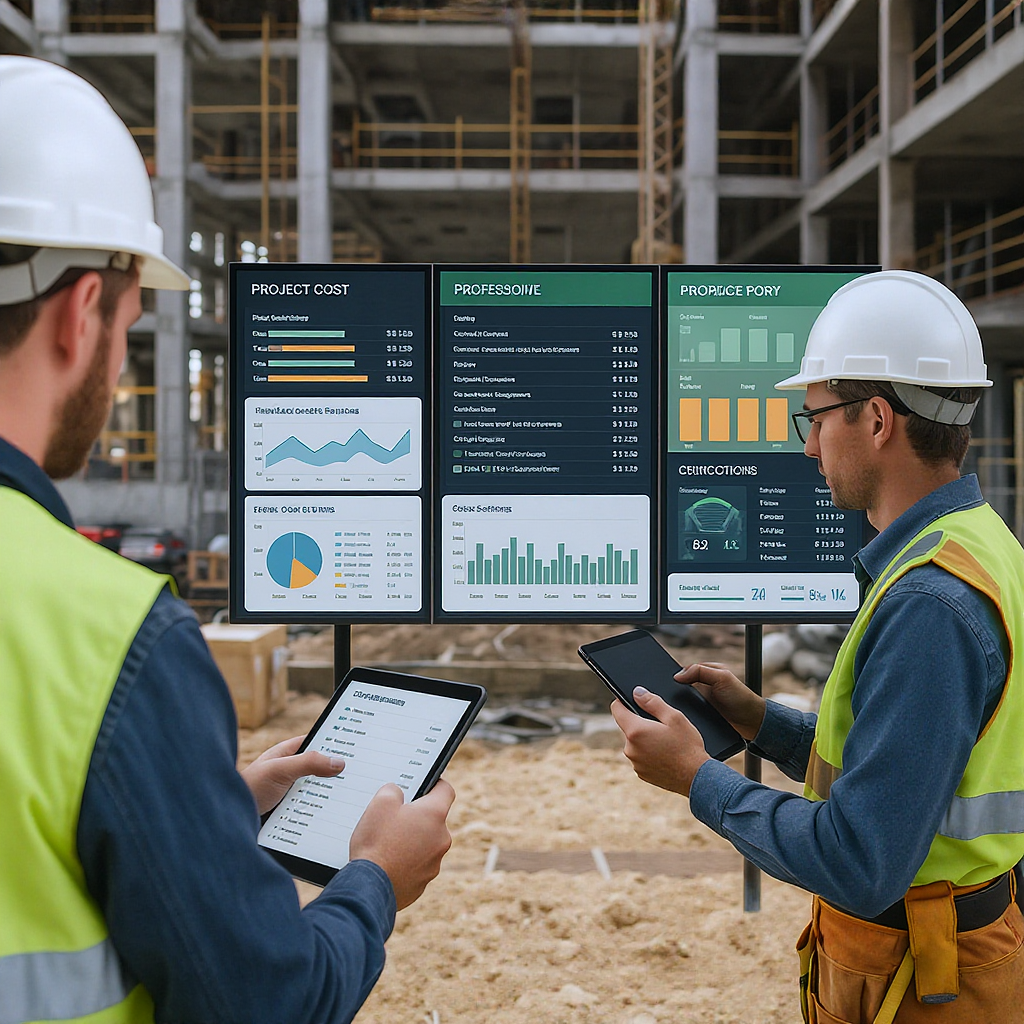
Here’s the deal: construction operations aren’t static. Projects span multiple sites, involve fluctuating teams, and are subject to unpredictable field conditions. Desktop-based systems can't keep up. You need mobile tools that allow decision-makers to track and act on data from anywhere.
For example, JobNext’s mobile-enabled ERP includes real-time project profitability monitoring tied directly to your BOQs, scopes, and estimates. It doesn’t just show you what’s happening — it alerts you when something’s off. That’s not a feature; it’s a survival tool. Field-to-Office in Real Time: How Mobile Construction Apps Are Eliminating Project Blind Spots dives deeper into how contractors are using mobile connectivity to stay in control.
Case Study: Subcontractor Overruns
A mid-size MEP contractor in Oman recently adopted a mobile-first ERP to deal with subcontractor cost overruns. Before that, they relied on spreadsheets and manual updates. By the time they flagged progress discrepancies, payments were already issued. With JobNext, they now track subcontractor measurements live from the field. Any mismatch between progress and payments triggers an alert for immediate review. Result? 12% reduction in cost overruns within the first six months.
The Tech Behind Real-Time Tracking
So, what makes these apps tick? It’s not magic — it’s integration. Mobile enterprise applications like JobNext unify disparate functions: procurement workflows, billing methods, HR systems, and equipment tracking. When these systems talk to each other, you get a single source of truth.
For instance, material procurement workflows (MR → RFQ → PO) are fully tracked on JobNext’s mobile app, ensuring approvals don’t bottleneck and vendor offers are immediately visible to decision-makers. Contractors using this feature have cut procurement delays by 40%, according to internal analytics.
The Obvious Objection: What About Usability?
You might be thinking, “Sure, mobile systems sound great, but what about adoption rates? Will my site teams even use them?” That’s a valid concern. The key is simplicity. If the app feels like a chore, nobody will use it — period.
JobNext tackles this by streamlining workflows into intuitive dashboards. For example, site managers can submit material requests via a 3-step process on their phones, without navigating a dozen menus. And because the platform is multi-tenant SaaS, every team member sees only the data relevant to their role.
What Contractors Should Do Now
If you’re still managing projects on disconnected tools or desktop-only software, you’re already behind. Mobile enterprise apps are no longer optional in construction — they’re a competitive necessity. Start by identifying your biggest pain points: Are you losing margins to poor cost tracking? Struggling with subcontractor management? Facing procurement chaos? Then look for solutions that integrate mobile functionality with real-time insights.
For a deeper dive into how mid-size contractors are modernizing operations, check out Construction Digital Transformation: A No-Nonsense Roadmap for Mid-Size Contractors.
Ready to see JobNext in action?
Multi-tenant SaaS ERP for construction, facilities management, and contracting — covering preconstruction, project execution, procurement, HR & payroll, equipment, finance, and 150+ analytics reports.
Get Started Free →Learn more at JobNext.ai