Why Domain Expertise Matters When Choosing Business Software
Imagine you're a contractor managing 10 simultaneous projects across multiple sites. Your procurement team is juggling material requests, vendor RFQs, and approvals, while your finance team struggles with GST compliance and subcontractor billing. Now, you’re tasked with choosing an ERP system to streamline operations. How do you ensure the software actually fits your business?
The Problem with Generic Solutions
Most business software is designed for broad industries — manufacturing, retail, services. But construction is different. Your workflows aren’t just about inventory or payroll; they’re deeply tied to BOQs, work orders, RA Bills, and multi-level approvals. A generic ERP vendor might promise flexibility, but can their system handle stage-wise billing or subcontractor measurement tracking? Probably not.
Here’s the kicker: choosing software without domain expertise isn’t just inconvenient — it’s expensive. Gartner reports that 70% of ERP implementations fail to meet expectations. For contractors, that failure often stems from software vendors not understanding construction-specific needs.
Why Domain Expertise Matters
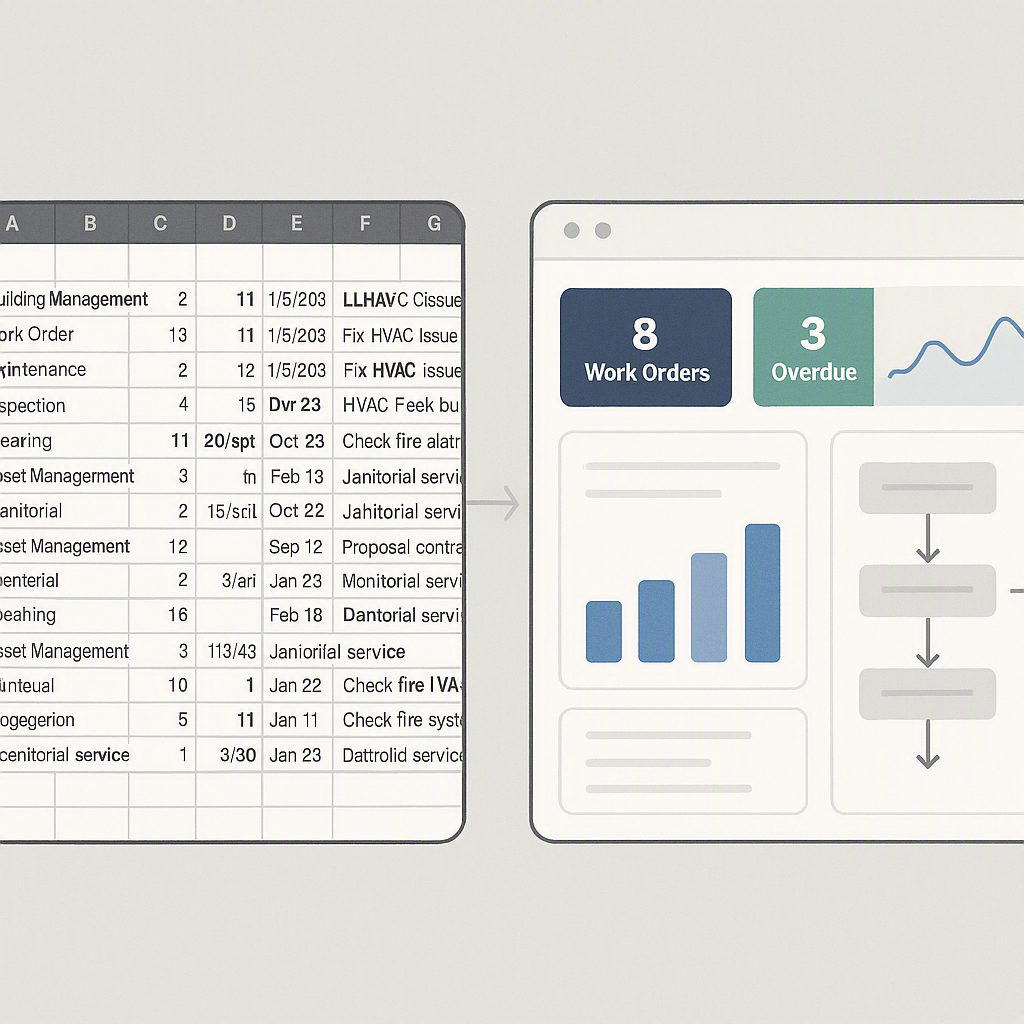
Let’s take procurement as an example. In construction, procurement isn’t just about buying materials. It’s a structured process: Material Request (MR) → RFQ → Vendor Offers → Purchase Order (PO). Without software built for this flow, teams resort to spreadsheets and emails, leading to manual errors, approval delays, and missed deadlines.
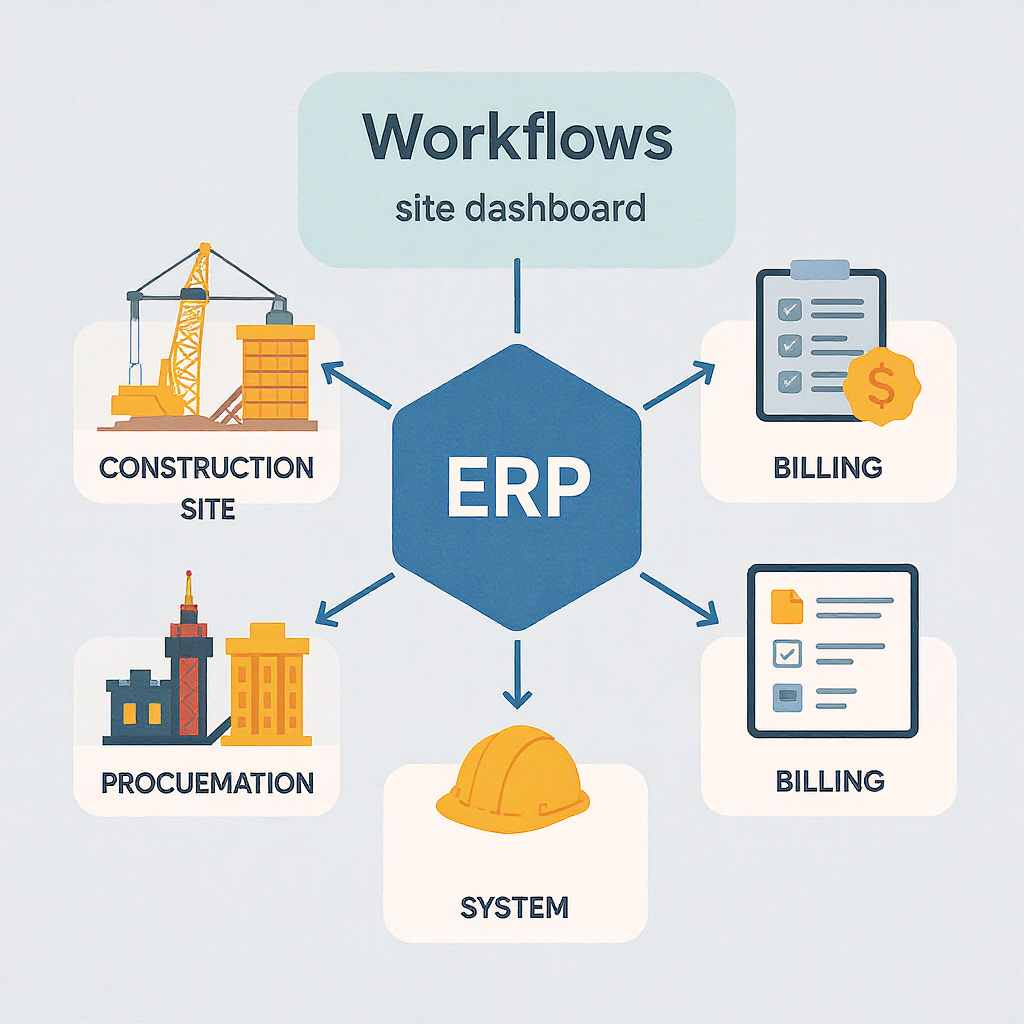
Now consider JobNext’s procurement module. It’s designed for contractors, with built-in workflows for MR to PO, vendor comparisons, and multi-level approval chains. That’s not something you’d find in generic ERP systems. As we discussed in The Hidden Cost of Tool Fragmentation, disconnected tools add chaos to already complex processes. Unified systems like JobNext eliminate those blind spots by embedding construction-specific workflows directly into the software.
Real-World Impact
Let’s talk about compliance. Contractors in India and GCC must navigate GST/TDS rules, statutory deductions, and vendor GST audits. Generic ERPs often require customizations to handle this, which adds costs and delays. JobNext, on the other hand, includes GST-compliant invoicing, Tally integration, and bank guarantee tracking out of the box.
Take Al Nab’a Services, a facilities management company managing 1,200+ sites across Oman. Before switching to a construction-specific ERP, their payroll cycle took 21 days. With domain-specific software, they automated compliance and reduced payroll processing to 3 days. Their story is detailed in How a 6,000-Employee Facilities Management Company Transformed Operations in 12 Months.
Questions to Ask Before Choosing Software
When evaluating ERP options, ask:
- Does the vendor understand BOQ-based project costing?
- Can the system handle subcontractor measurement tracking?
- Are compliance features built-in or add-ons?
- Does it support construction-specific billing methods like RA Bills or stage-wise invoices?
If the answer to any of these is “no,” keep looking. The wrong choice could mean years of customizations and workarounds.
Conclusion
Choosing software is a strategic decision. Domain expertise isn’t optional — it’s the difference between success and failure. As contractors, we need tools built for our workflows, not retrofitted for them. JobNext’s platform exemplifies what domain expertise looks like in practice: structured procurement, real-time project tracking, and built-in compliance that fits construction operations. For more insights, visit JobNext.ai.
Sources:
- Gartner ERP Failure Rates
- The Hidden Cost of Tool Fragmentation
- How a 6,000-Employee Facilities Management Company Transformed Operations in 12 Months
Ready to see JobNext in action?
Multi-tenant SaaS ERP for construction, facilities management, and contracting — covering preconstruction, project execution, procurement, HR & payroll, equipment, finance, and 150+ analytics reports.
Get Started Free →Learn more at JobNext.ai