Growing Pains: When Systems Start Breaking
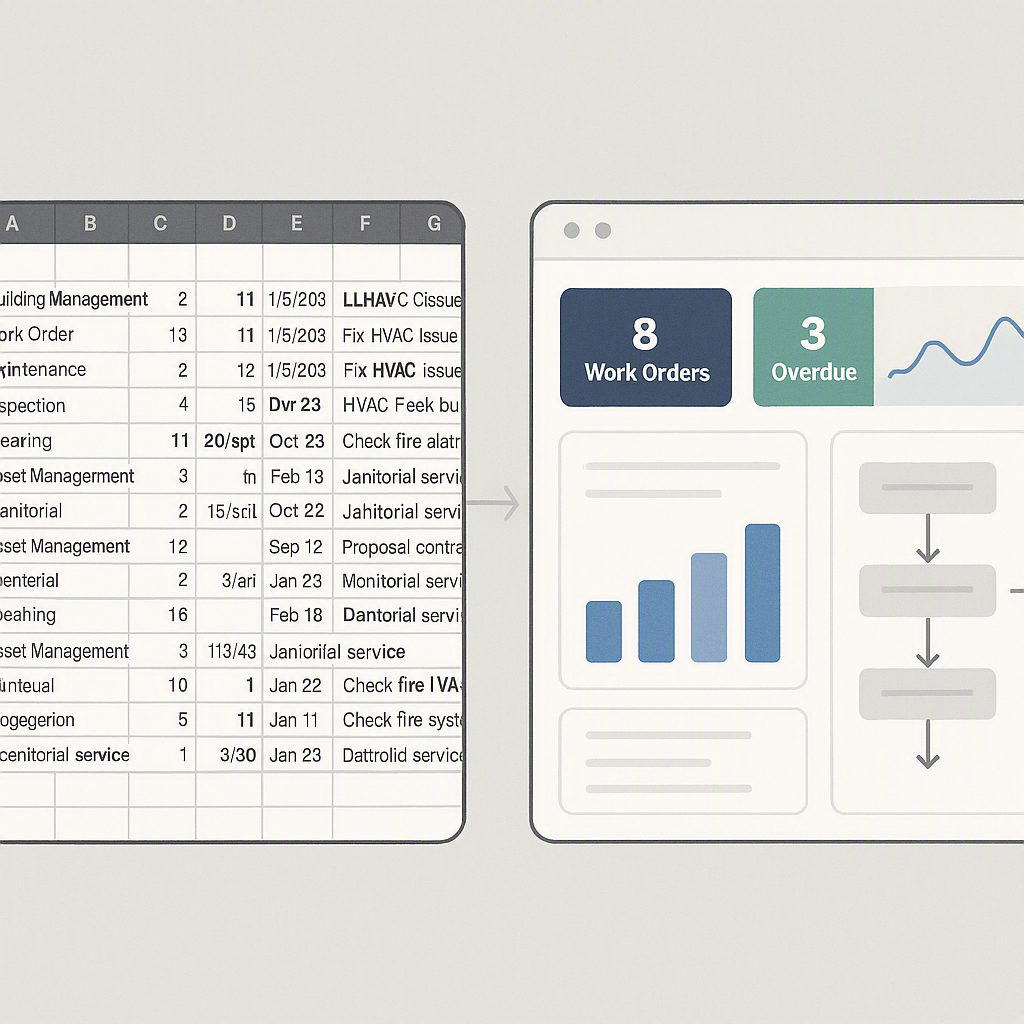
There’s a moment every growing contractor hits—a breaking point. It’s when your operations outgrow your tools. Maybe you’re juggling spreadsheets for project costing or using five different software tools that don’t talk to each other. It’s manageable with 10 projects. At 50? It’s chaos.
We’ve seen this firsthand. A mid-sized HVAC contractor in the UAE, managing 20+ concurrent projects, found their project profitability was slipping through the cracks. Why? Disconnected systems. Their procurement team used one tool for vendor RFQs, the finance team used another for billing, and project managers were stuck emailing Excel sheets back and forth. This isn’t just inefficient—it’s expensive.
Enter multi-tenant SaaS architecture.
What Makes Multi-Tenant SaaS Different?
Multi-tenant SaaS isn’t just a fancy term for cloud software. It’s a design approach where a single instance of software serves multiple customers, securely. Think of it like an apartment building. Everyone has their own unit (data), but they share the same foundation (software infrastructure). This makes scaling effortless.
Why does this matter? Three reasons:
- Centralized Data: All your teams—procurement, finance, HR—work off the same system. No more emailing files or duplicating data entry.
- Scalability: Whether you’re managing 5 projects or 500, the system adapts. You don’t need to upgrade servers or worry about performance.
- Lower Cost of Ownership: Shared infrastructure means lower costs compared to on-premise systems. Plus, no maintenance headaches.
How JobNext Leverages Multi-Tenant SaaS
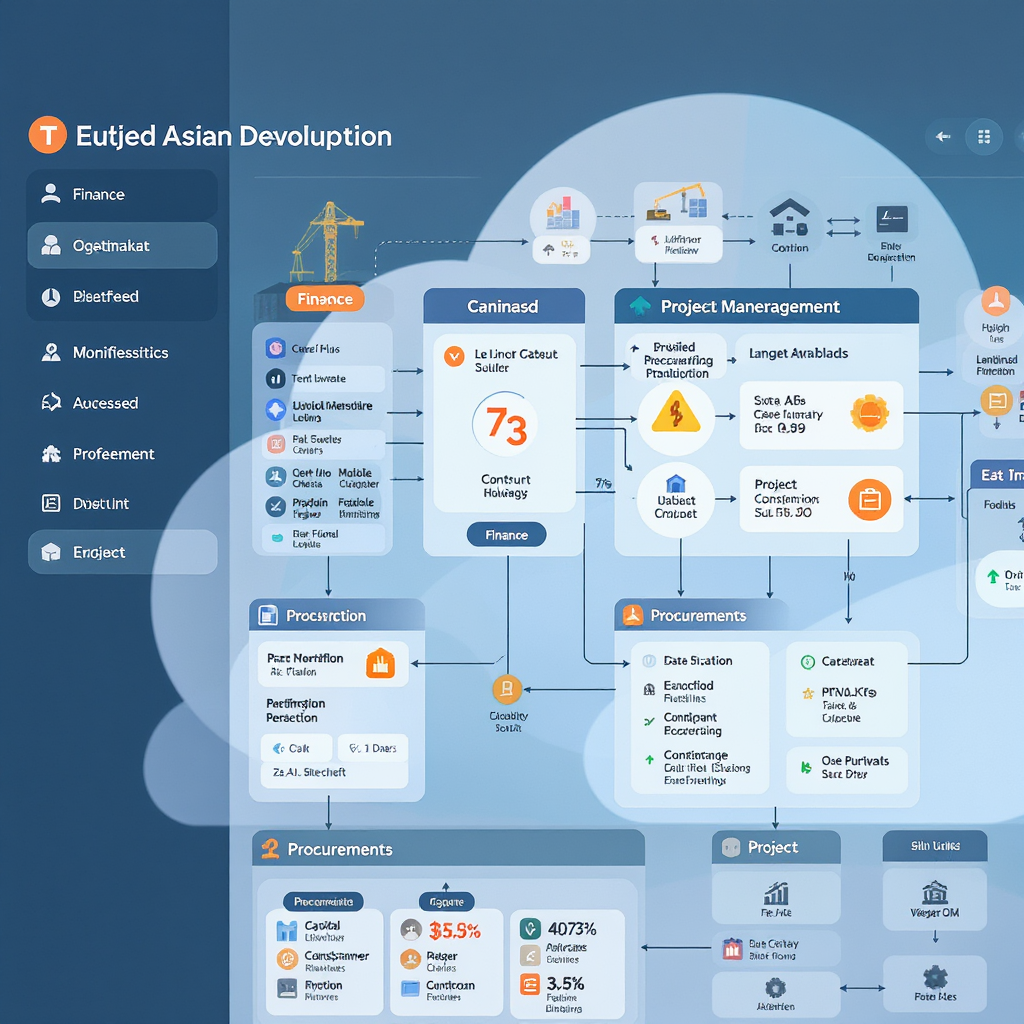
Let’s get specific. JobNext is built on a multi-tenant SaaS platform. Here’s how that helped our UAE contractor fix their procurement chaos:
Before JobNext, their material requests (MRs) were manual. Site teams would email requests to procurement, who’d then manually create RFQs, compare vendor offers, and issue POs. Approval delays added weeks. Errors? Common.
With JobNext, the entire workflow moved to a single MR→RFQ→Vendor Offer→PO approval chain. Site teams create MRs directly in the system. Procurement can instantly issue RFQs to pre-approved vendors. Approvals happen in real-time, even on mobile. Result? Procurement cycle time dropped by 40%, and vendor pricing improved by 8% from better RFQ visibility.
Why Multi-Tenant SaaS Beats Legacy Systems
You might be thinking, "Why not just upgrade my existing tools?" Here’s the problem: legacy systems weren’t designed to scale seamlessly. They’re like patching a 10-year-old car to drive cross-country. Possible, yes. But not reliable.
Multi-tenant SaaS, on the other hand, thrives on scale. Take compliance. In India, GST, TDS, and statutory deductions (PF, ESI) are a nightmare to track manually. JobNext handles these automatically, updating for regulatory changes without requiring manual intervention. Legacy systems? You’re calling the vendor for every update.
And let’s talk financial surprises. If your billing methods aren’t flexible (e.g., RA Bills, stage-wise, monthly), you’re leaving money on the table. JobNext’s six billing methods ensure nothing falls through. That’s the kind of scalability multi-tenant SaaS enables.
The Bottom Line: Can You Afford Not to Switch?
If your company is doubling in size every few years, your systems need to keep up. Multi-tenant SaaS isn’t a luxury—it’s foundational. As this JobNext blog post explains, disconnected systems don’t just waste time—they erode margins. Unified platforms like JobNext, built on multi-tenant SaaS, solve that.
You might think the transition is too complex or expensive. But as covered in ERP Implementation for Contractors: The Phased Approach That Actually Works, phased implementation strategies can make the switch manageable, even for mid-sized firms.
So, the question isn’t whether multi-tenant SaaS is worth it. It’s whether your business can afford to grow without it.
Ready to see JobNext in action?
Multi-tenant SaaS ERP for construction, facilities management, and contracting — covering preconstruction, project execution, procurement, HR & payroll, equipment, finance, and 150+ analytics reports.
Get Started Free →Learn more at JobNext.ai