Why Contractors Need SaaS ERP
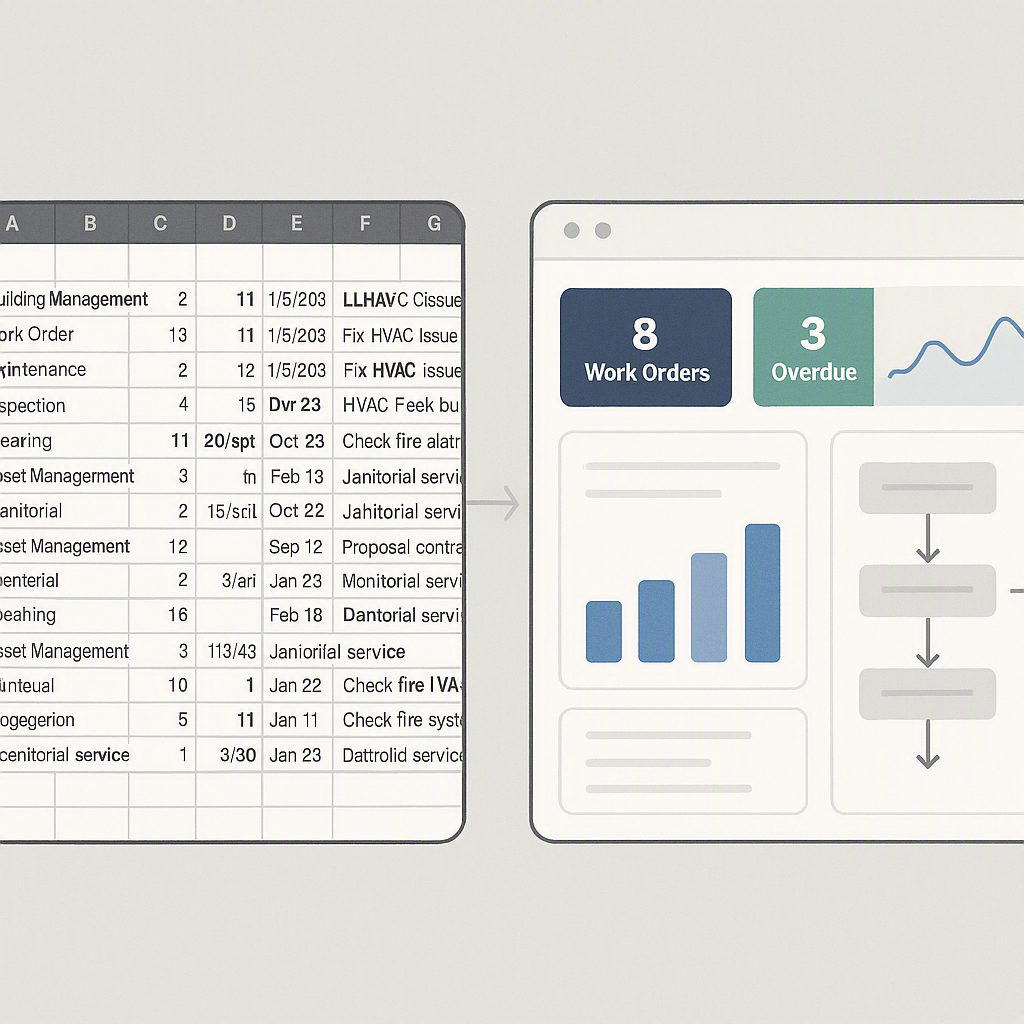
Margins in construction are brutal — typically between 2-7%. If you’re running multiple projects, poor cost tracking and disconnected systems can shrink those margins further. Many contractors don’t even realize how much money they’re losing until it’s too late.
The Problem: Margin Erosion
Let’s break this down. You start a project with a budget based on your BOQ (Bill of Quantities), scopes, and estimates. But as the project progresses, costs pile up — material overruns, labor inefficiencies, equipment rentals you didn’t plan for. By the time the project closes, your profits evaporate.
Why does this happen? Because most contractors rely on spreadsheets or disconnected tools to track costs. By the time you notice the problem, it’s already baked into the numbers.
The Solution: Real-Time Cost Tracking
This is where SaaS ERP shines. A good system gives you real-time visibility into project profitability. For example, JobNext’s ERP tracks every expense against your original BOQ and scope. You can see exactly where you’re overspending — whether it’s materials, subcontractor payments, or equipment usage.
Here’s a practical example: Imagine you’re managing five concurrent projects. With JobNext, you can pull a dashboard that shows profitability by project in real time. If one of them starts slipping, you can act immediately — renegotiate with vendors, adjust staffing, or cut non-essential expenses.
Why SaaS ERP Beats On-Premise
You might be thinking, “Why not just install an ERP on-premise?” Here’s the issue: on-premise systems are expensive to set up and maintain. Plus, they don’t scale well. SaaS ERP, like JobNext, is cloud-based. That means no servers, no IT headaches, and automatic updates. You’re always using the latest version.
And scalability matters. If your operations expand to new sites or countries, SaaS ERP adapts instantly. No need to reconfigure everything.
A Real-World Case
Take Al Nab’a Services, a facilities management giant with 6,000 employees across 1,200 sites. Before adopting JobNext, they struggled with payroll delays and cost tracking across multiple projects. After implementing SaaS ERP, they reduced payroll cycles from 21 days to 2 days and gained real-time visibility into project finances. You can read their full transformation story here.
The Obvious Objection: Cost
Sure, SaaS ERP isn’t free. But the ROI is massive. Contractors using cloud ERP report 20% faster project execution and improved margins. If you’re losing money from poor cost tracking, this investment pays for itself. Source.
Actionable Next Steps
- Audit your current systems: Are you using spreadsheets or disconnected tools? Identify the gaps.
- Evaluate SaaS ERPs: Look for features like real-time cost tracking, BOQ-based monitoring, and multi-project dashboards.
- Start small: Implement ERP on one or two projects first. Test the waters before rolling it out company-wide.
For contractors who care about margins, SaaS ERP isn’t a luxury — it’s survival.
Want to see how JobNext can help your business? Explore JobNext or schedule a demo today.
Ready to see JobNext in action?
Multi-tenant SaaS ERP for construction, facilities management, and contracting — covering preconstruction, project execution, procurement, HR & payroll, equipment, finance, and 150+ analytics reports.
Get Started Free →Learn more at JobNext.ai