The Hidden Costs of Disconnected Procurement Systems
Contractors often juggle multiple projects, vendors, and approvals across departments. Sounds manageable, right? It’s not. According to Construction Dive, 35% of construction project costs are wasted due to inefficiencies — many caused by fragmented systems.
Take procurement as an example. Imagine you’re running a mid-size MEP contracting firm. Your procurement process might look something like this:
- Material Requests (MRs) sent over email or spreadsheets from site teams.
- RFQs (Request for Quotes) managed manually or in isolated tools.
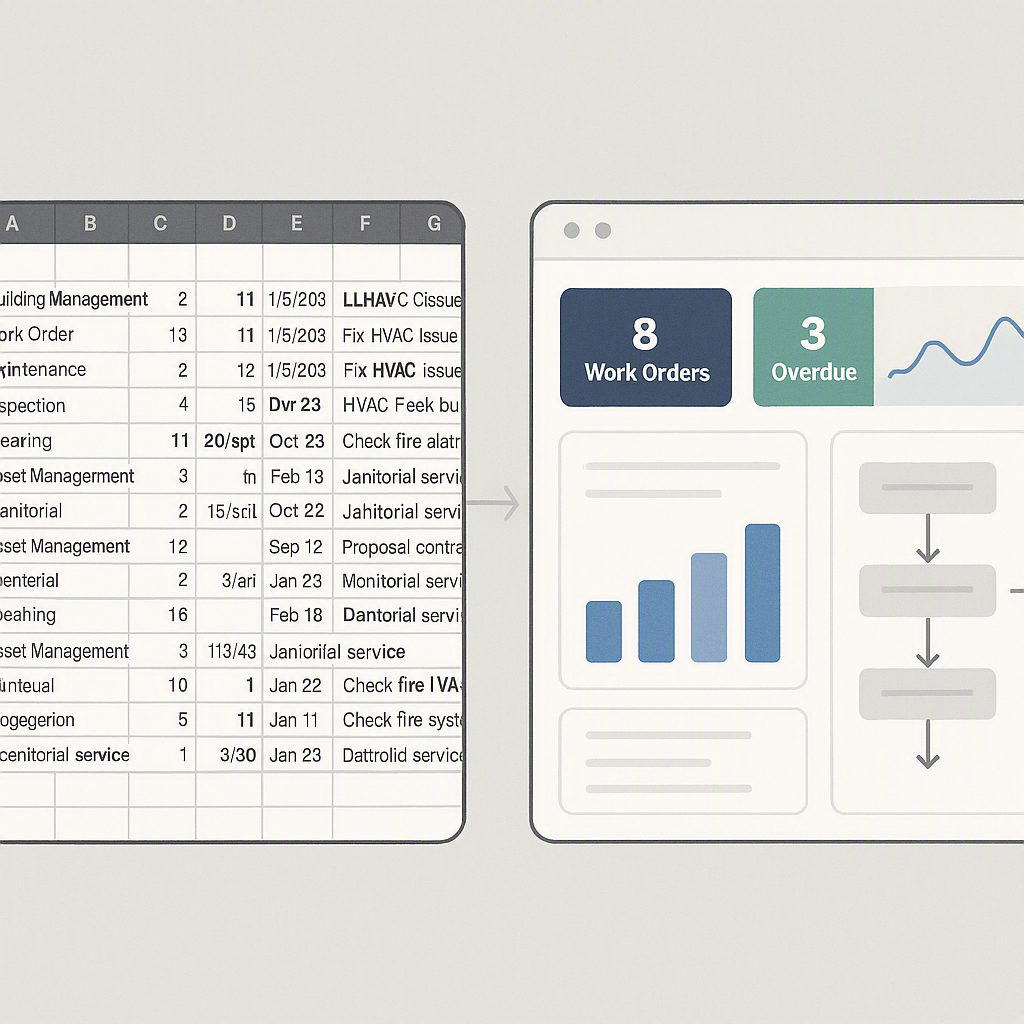
- Vendor offers compared in Excel.
- Purchase Orders (POs) approved via WhatsApp or PDF signatures.
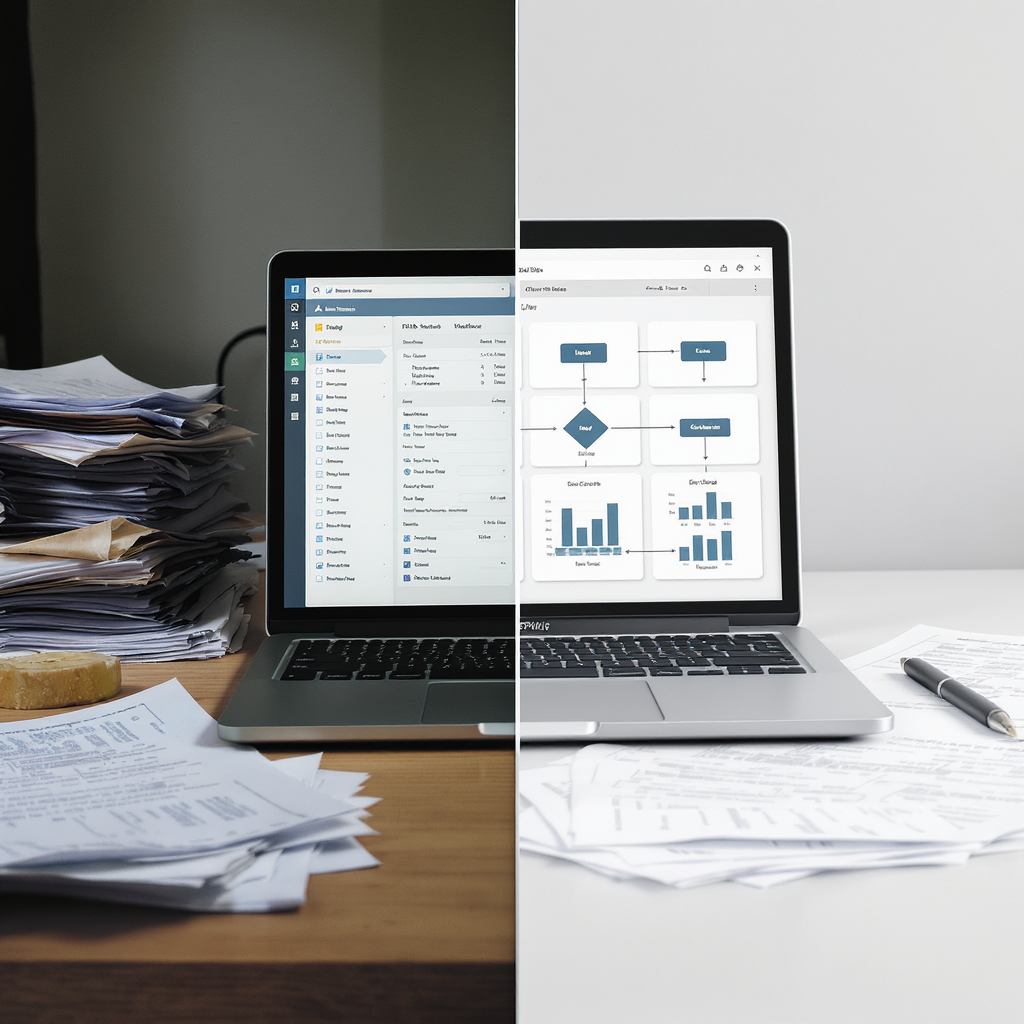
What’s wrong here? Everything. Manual workflows lead to lost MRs, inconsistent RFQs, and delayed POs. Worse, approvals often skip key stakeholders, exposing your company to expensive errors. You might over-order materials or miss early payment discounts. Multiply this across 10+ concurrent projects, and you’re bleeding margins.
Why Fragmentation Kills Margins
Disconnected procurement workflows create a perfect storm:
- Duplicate Efforts: Site teams repeatedly chase the office for updates.
- Approval Delays: With no central system, decision-makers waste hours tracking documents.
- Vendor Miscommunication: RFQs sent via email often miss critical details, leading to incorrect quotes.
- Data Silos: Spreadsheets don’t sync with accounting or project tracking systems.
We’re not talking about minor inconveniences. These inefficiencies lead to real financial losses. According to McKinsey, construction companies operate on razor-thin margins, often between 2-7%. A single procurement error can wipe out profits on a project.
The Case for Unified Software Platforms
Now, let’s flip the script. What happens when you centralize procurement into a unified platform like JobNext?
Here’s how JobNext handles procurement:
- Material Requests: Site teams raise MRs through the platform. Pre-filled forms ensure no critical details are missed.
- RFQs and Vendor Management: Approved MRs auto-trigger RFQs. The system tracks vendor responses and compares offers side-by-side.
- Approval Workflows: Multi-level approvals ensure no PO is issued without proper checks. Notifications keep decision-makers in the loop.
- Integrated Data: Once approved, POs sync directly with finance and inventory modules, eliminating manual data entry.
The result? No more lost requests. No more missed discounts. And no more budget overruns from rogue spending.
Real Results: Contractors Who Went Unified
Take Al Nab’a Services, a 6,000-employee facilities management company in Oman. Before adopting JobNext, their procurement team spent weeks managing RFQs and POs manually. According to their operations head, this process often delayed projects by up to 10 days.
With JobNext, they automated RFQ-to-PO workflows, cutting approval times by 40%. Their CFO confirmed that this saved over OMR 75,000 annually in early payment discounts alone. You can read the full story here.
The Skeptic’s Objection: Too Costly?
You might argue, "ERP systems are expensive and take forever to implement." Fair point. But fragmented tools cost more in the long run. A Forrester study found that companies adopting unified platforms saw a 343% ROI within three years.
More importantly, JobNext offers a phased implementation approach. Instead of biting off more than you can chew, you start with high-impact modules like procurement. This strategy minimizes disruption and delivers quick wins. For a detailed guide, check out ERP Implementation for Contractors: The Phased Approach That Actually Works.
Conclusion: The Bottom Line
Disconnected procurement isn’t just frustrating — it’s a profit killer. Unified platforms like JobNext don’t just automate workflows; they ensure every material, every vendor, and every rupee is accounted for. For contractors operating on tight margins, that’s not optional. It’s survival.
The question isn’t whether you can afford unified software. It’s whether you can afford not to.
Ready to see JobNext in action?
Multi-tenant SaaS ERP for construction, facilities management, and contracting — covering preconstruction, project execution, procurement, HR & payroll, equipment, finance, and 150+ analytics reports.
Get Started Free →Learn more at JobNext.ai