A Practical Subcontractor Onboarding Checklist for Contractors in India & GCC
Subcontractor onboarding can make or break your construction project. If done right, it sets the foundation for smooth operations, timely delivery, and budget control. But if you skip steps or miss key details, you’re opening the door to delays, cost overruns, and compliance nightmares.
We’ve seen it happen too many times in India and GCC markets. A subcontractor gets selected based solely on price, without properly vetting their capabilities. They show up on-site unprepared, their labor force undertrained, and their equipment insufficient for the scope. Deadlines slip, budgets balloon, and the blame game starts. It's a mess—and one that could have been avoided with a solid onboarding process.
Here’s a detailed subcontractor onboarding checklist to keep everything on track. Whether you’re running an EPC firm in Saudi Arabia or heading up a landscaping business in India, these steps will help you onboard subcontractors efficiently and avoid expensive pitfalls.
Step 1: Prequalification – Know Who You’re Hiring
Not all subcontractors are created equal. Before you even think about issuing a work order, you need to vet them thoroughly. Poor prequalification is one of the leading causes of project delays and cost overruns. A report by the Construction Industry Development Council (CIDC) in India highlights that inadequate prequalification processes are directly linked to nearly 30% of project delays in the country.
1. Verify Technical Capability
This is the foundation of any successful subcontractor relationship. Ensure the subcontractor possesses the skills, equipment, and workforce to complete your project. Here are actionable steps:
- Request evidence of similar work: Ask subcontractors for project references, including photos, client testimonials, or completion certificates from previous projects. For example, a subcontractor who has completed HVAC installations for commercial buildings in Mumbai or Riyadh is more likely to deliver satisfactory results.
- Conduct site visits: If feasible, visit one of their current or completed project sites. This allows you to see their work quality firsthand. A recent study by the CIDC found that physical inspections reduced misalignment between expected and delivered work by 23%.
- Assess equipment and resources: Confirm they have the necessary machinery, tools, and personnel to execute the job.
2. Check Compliance Documents
Compliance isn’t optional—it’s mandatory. Failure to check a subcontractor’s compliance status can lead to legal and financial liabilities. Here’s what to look for:
- In India: Ensure they have valid GST registration, labor compliance documentation under the Contract Labour (Regulation and Abolition) Act of 1970, and safety certifications like ISO 45001. If they’re providing materials, verify whether they’re adhering to BIS standards.
- In GCC countries: Confirm they have the required insurance policies for workers, such as Workmen’s Compensation Insurance. Verify compliance with local labor laws, such as Saudization in Saudi Arabia (which requires a specific percentage of Saudi nationals in the workforce) or Emiratization in the UAE.
3. Evaluate Past Performance
The best predictor of future behavior is past behavior. Use these techniques to evaluate a subcontractor’s track record:
- Ask for references: Speak directly with previous clients to learn about the subcontractor’s reliability, quality of work, and ability to meet deadlines. For instance, a landscaping subcontractor who successfully completed projects in Dubai or Chennai within budget offers a strong reference.
- Check dispute history: Software like JobNext can track subcontractor performance, including previous disputes, missed deadlines, and quality issues. In India, job tracking systems have reduced subcontractor disputes by nearly 15%, according to industry reports.
Step 2: Scope Definition – Avoid Ambiguity
A clear and detailed scope of work is critical to avoid misunderstandings, budget issues, and project delays. Miscommunication during this phase is one of the most common sources of subcontractor disputes. For example, a 2021 survey by the Dubai Municipality found that 40% of subcontractor disputes stemmed from unclear scope definitions.
1. Break Down the Job Scope
Start by dividing the project into manageable work items. For each work item:
- Define deliverables: Specify what the subcontractor is expected to deliver. For example, instead of saying "install electrical wiring," specify the type of wiring, its length, and the locations where it must be installed.
- Specify quantities and quality standards: Use measurable parameters like length, weight, or volume for clarity. For instance, "50 meters of 16mm² PVC conduit" is far clearer than "electrical conduit installation."
2. Provide Detailed Documentation
Subcontractors can’t bid accurately or execute effectively without detailed documentation. Include the following in your RFP:
- Bill of Quantities (BOQ): A breakdown of all work items with their respective quantities and units of measurement.
- Technical specifications: Define requirements for materials, equipment, and workmanship.
- Drawings and site plans: Provide clear diagrams, layouts, and elevations.
- Delivery timelines: Specify deadlines for each phase of work.
Step 3: Budget Approval – Control Spending from Day One
Budget overruns often stem from poor planning and lack of control during the subcontractor onboarding process. Proactively managing financials during this stage can save you significant headaches later. In India, construction projects frequently experience cost overruns of up to 20%, as reported by the CIDC in 2022.
1. Create a Work Budget
Before issuing a work requisition, calculate the budget for each task based on market rates and your project’s BOQ. Here’s how to do it:
- Research market rates: Get updated costs for materials, labor, and equipment in your region. For example, the cost of cement in India varies by region and often fluctuates due to demand. According to a January 2023 report by the Cement Manufacturers Association of India, prices ranged from ₹340 to ₹380 per bag depending on the state.
- Incorporate contingencies: Allocate a percentage (usually 5-10%) of the total budget for unforeseen expenses.
2. Define Payment Terms
Unclear payment terms can lead to disputes or strained relationships. Here are key points to include in your payment terms:
- Milestone-based payments: Break down payments into stages tied to work progress. For example, 30% upfront, 40% after 50% completion, and the remaining 30% on final delivery.
- Retention policy: Hold back a percentage (e.g., 5-10%) of the payment until the project is completed and final inspections are approved.
- Penalty clauses: Define financial penalties for delays or non-compliance.
Step 4: Competitive Bidding – Don’t Rush the Process
Awarding a contract solely based on the lowest bid can be a costly mistake. A rushed bidding process often leads to selecting the wrong subcontractor, which can derail your project.
1. Solicit Multiple Bids
To ensure you’re getting the best value, invite at least three subcontractors to submit proposals. Here’s how to make the process efficient:
- Set a clear deadline: Give subcontractors a reasonable amount of time (e.g., 7-14 days) to prepare their proposals.
- Provide evaluation criteria: Let subcontractors know how their bids will be assessed (e.g., price, timeline, quality, safety record).
2. Evaluate Proposals Beyond Price
Price is important, but it’s not the only factor. Consider the following:
| Factor | What to Look For |
|---|---|
| Technical Capability | Do they have the skills, equipment, and manpower to execute the work? |
| Timeline | Can they mobilize and complete the work within your project’s schedule? |
| Compliance | Are their documents, certifications, and insurance in order? |
| Previous Performance | Have they delivered quality work on similar projects, on time and within budget? |
| Payment Terms | Do their payment terms align with your project’s cash flow? |
Step 5: Work Order Creation – Lock Down the Details
The work order is the contract between you and the subcontractor. A poorly drafted work order is an invitation for disputes, delays, and cost overruns.
1. Include All Work Items
List every task required in the project, along with:
- Unit of measurement: Specify how work will be quantified (e.g., square meters, cubic meters, linear meters).
- Quantity: Clearly state the amount of work required for each task.
- Unit rate: Define the agreed payment rate per unit of work.
2. Configure Recovery Items
Recovery items are deductions for materials, equipment, or services provided by you. Clearly document:
- Material recoveries: If you’re providing cement or steel, specify quantities and cost deductions.
- Retention amounts: Define the percentage of payments you will hold back until project completion.
Step 6: Progress Tracking – Stay on Top of Deliverables
Progress tracking ensures that you’re always aware of where your project stands. This minimizes the risk of surprises.
1. Create Measurement Sheets
Measurement sheets document the progress of work completed. They help in:
- Quantifying work: Regularly measure completed work items and update the project records.
- Enabling transparent payments: Subcontractor payments should always be tied to measurement sheets.
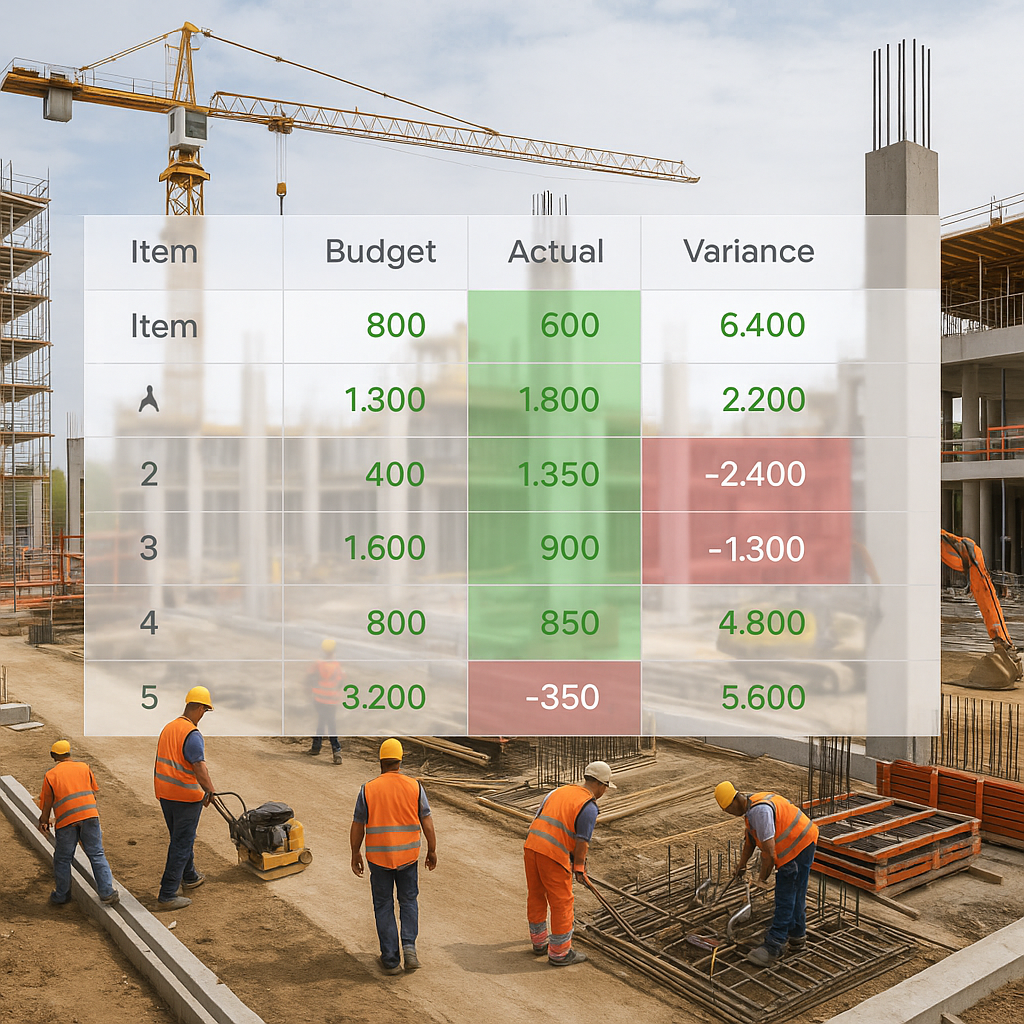
2. Monitor Budget Burn
Tracking budget usage in real time is crucial. Use tools like JobNext’s Subcontractor Budget Burn report to:
- Compare actual spending against the approved budget.
- Identify cost overruns early and take corrective action.
Step 7: Payment – Close the Loop
Subcontractor payments are often a contentious issue. Late or mismanaged payments can damage relationships and disrupt project timelines.
1. Tie Payments to Approved Progress
Payments should align with measurable progress. Use approved Measurement Sheets to:
- Verify completed work.
- Ensure that payments reflect actual progress and not just estimated completion.
2. Document Everything
Maintain a complete audit trail for every payment. This should include:
- Work Orders
- Measurement Sheets
- Payment approvals
If you're dealing with subcontractor onboarding challenges, JobNext’s Subcontractor Management module can help. Its structured workflows, from work requisition to payment approvals, ensure compliance, cost control, and smooth project execution. Explore JobNext
Learn more at JobNext.ai