The Divide: Hard vs Soft Services in Facilities Management
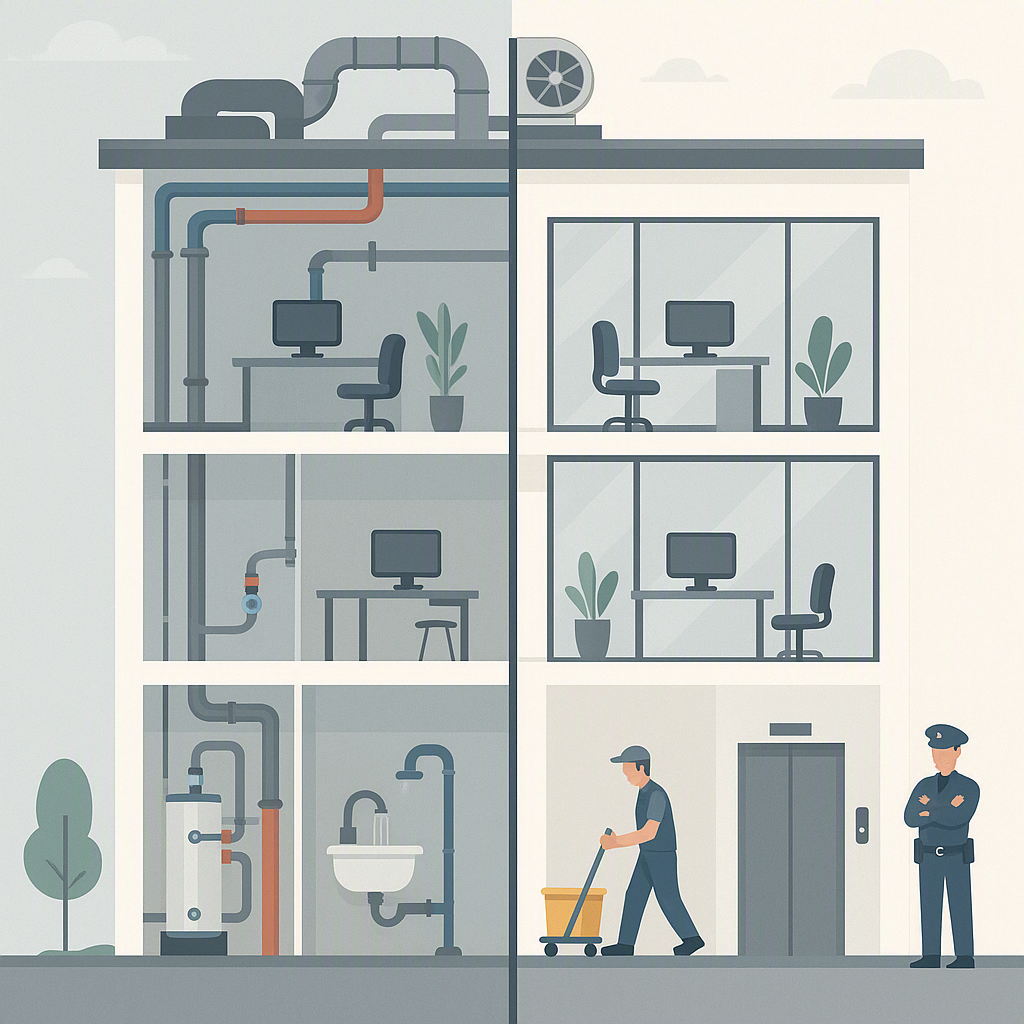
Facilities management (FM) encompasses two main categories: hard services and soft services. Hard services involve the physical infrastructure and technical systems of a building, such as HVAC systems, plumbing, and electrical wiring. Soft services focus on people and operational support, including cleaning, security, catering, and waste management.
Understanding this split is crucial because managing these services effectively requires different approaches, tools, and strategies. This article will explore the nuances of hard and soft FM services, their challenges, actionable steps to improve their management, and how integrated solutions can streamline operations.
Hard FM Services: Examples and Challenges
Hard services are essential to the physical functionality and safety of buildings. If a critical system like electrical wiring or plumbing fails, the building may become unsafe or unusable. Common examples of hard FM services include:
Examples of Hard FM Services
-
Mechanical Maintenance:
- Systems like HVAC (Heating, Ventilation, and Air Conditioning) regulate temperature and air quality.
- Elevators and escalators ensure accessibility and convenience.
- Generators provide backup power during outages.
-
Electrical Systems:
- Wiring, circuits, and panels distribute electricity throughout the building.
- Lighting systems maintain visibility and safety.
- Backup power systems ensure operations during blackouts.
-
Plumbing:
- Water supply systems ensure clean water access.
- Drainage systems prevent flooding and maintain hygiene.
-
Fire Safety:
- Smoke detectors, sprinklers, and fire extinguishers protect lives and property.
- Fire alarms alert occupants during emergencies.
Key Challenges in Managing Hard FM Services
-
Compliance With Regulations:
- Hard FM services are subject to strict regulations, such as fire safety codes, electrical standards, and building certifications. Non-compliance can result in hefty fines, legal liability, or even the suspension of operations.
-
Tracking Maintenance Schedules:
- With numerous systems requiring regular inspections and upkeep, it’s easy for maintenance deadlines to slip through the cracks.
-
Asset Lifecycle Management:
- Buildings contain thousands of physical assets, from HVAC units to fire extinguishers. Managing procurement, maintenance, and disposal over time is complex.
Actionable Steps to Manage Hard FM Services
-
Create a Maintenance Calendar:
- Use a digital system to schedule periodic inspections for all critical systems.
- Set automated reminders for upcoming deadlines.
-
Centralize Compliance Documentation:
- Maintain a centralized database for certifications, inspection reports, and warranties.
- Use software that flags pending compliance tasks.
-
Utilize Asset Management Tools:
- Platforms like JobNext allow you to track the lifecycle of assets from procurement to disposal.
- Automate maintenance schedules and monitor equipment utilization rates.
-
Conduct Risk Assessments:
- Regularly assess risks associated with hard services, such as potential equipment failure or safety hazards.
- Proactively address issues before they escalate.
Comparison: Manual vs Software-Based Hard FM Management
| Aspect | Manual Management | Software-Based Management |
|---|---|---|
| Compliance Tracking | Prone to human error | Automated reminders and flags |
| Maintenance Scheduling | Paper-based, easy to miss | Centralized calendar system |
| Data Management | Scattered across teams | Unified database |
| Risk Assessment | Reactive | Proactive and data-driven |
Soft FM Services: Examples and Best Practices
Soft services, while less technical, are essential for tenant satisfaction and operational efficiency. Neglecting them can lead to complaints, disruptions, and even tenant churn.
Examples of Soft FM Services
-
Cleaning:
- Regular cleaning schedules maintain hygiene and appearance.
- Deep cleaning ensures compliance with health standards.
-
Security:
- Guard services provide physical security.
- CCTV systems monitor activity and deter crime.
-
Catering:
- Food services improve employee satisfaction and productivity.
- Event-specific catering supports business functions.
-
Waste Management:
- Recycling programs promote sustainability.
- Efficient disposal prevents health hazards.
-
Landscaping:
- Garden maintenance enhances curb appeal.
- Pest control prevents infestations.
Challenges in Managing Soft FM Services
-
Defining Service Scope:
- Unclear contracts can lead to disputes over frequency, quantity, or special requirements.
-
Tenant Satisfaction:
- Poor service quality can lead to complaints and higher turnover rates.
-
Coordination Across Teams:
- Disconnected workflows can cause inefficiencies and missed tasks.
Actionable Steps to Manage Soft FM Services
-
Define Clear Scopes of Work:
- Specify service frequency (daily, weekly, monthly).
- Include detailed requirements (e.g., biodegradable cleaning products).
-
Use Scheduling Tools:
- Automate daily and periodic schedules for cleaning, security checks, and waste disposal.
-
Monitor Tenant Feedback:
- Regularly survey tenants to identify areas for improvement.
- Use feedback to refine service contracts.
-
Centralize Vendor Management:
- Use software to manage vendor contracts, monitor performance, and ensure accountability.
Blurring the Lines: Integrated FM Services
Hard and soft FM services often overlap in practice. For example, maintaining HVAC systems (hard service) might require cleaning vents (soft service). Without coordination, teams may unknowingly overlook critical tasks, leading to inefficiencies and tenant dissatisfaction.
Benefits of Integrated FM Systems
-
Improved Communication:
- All teams can access the same data, ensuring alignment.
-
Streamlined Workflows:
- Tasks across hard and soft services can be linked to avoid duplication or gaps.
-
Cost Efficiency:
- Consolidated systems reduce administrative overhead and improve resource utilization.
Actionable Steps for Integration
-
Adopt Unified FM Platforms:
- Use software like JobNext to manage both hard and soft services in one place.
-
Train Teams on Collaboration:
- Educate staff on identifying overlaps between service areas.
-
Create Shared Dashboards:
- Provide real-time visibility into tasks and schedules for all teams.
Why Systems Matter in FM
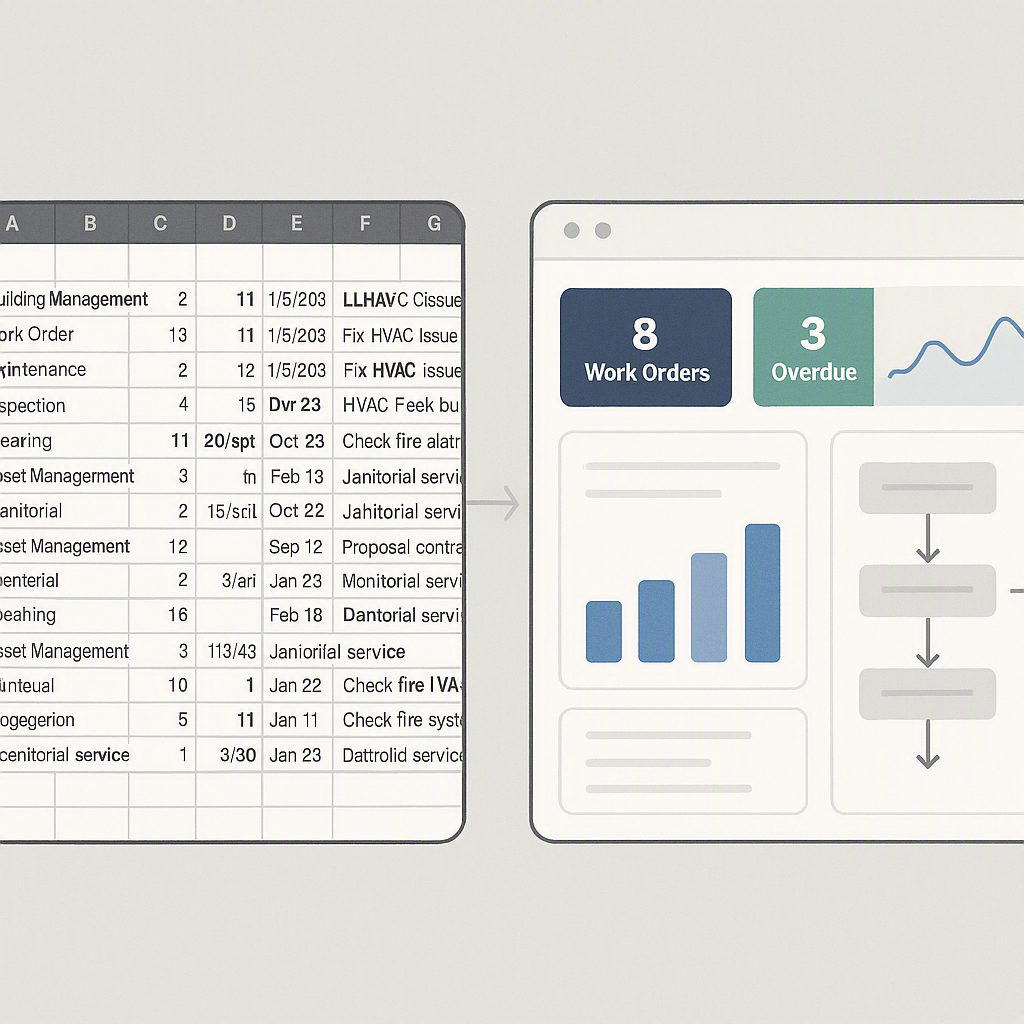
Disconnected tools and manual processes make it nearly impossible to deliver consistent service while controlling costs. A centralized system for facilities management can:
- Reduce the risk of compliance violations.
- Enable accurate billing across multiple service types.
- Streamline workflows and improve accountability.
Platforms like JobNext simplify FM by offering modules for compliance tracking, asset management, scope-of-work definition, and automated billing. This ensures contractors can focus on delivering high-quality service without losing time or revenue.
FAQ
1. What’s the difference between hard and soft services in FM?
Hard services involve the physical and technical systems of a building, like HVAC and plumbing. Soft services focus on operational support, such as cleaning, security, and catering.
2. How can I ensure compliance for hard FM services?
Use a digital system to schedule inspections, set automated reminders, and centralize documentation. Platforms like JobNext can help streamline compliance tracking and reduce risks.
3. How do I manage tenant expectations in soft FM services?
Clearly define the scope of work in service contracts, including frequency and specific requirements. Regularly survey tenants for feedback and adjust services accordingly.
4. Can hard and soft FM services be managed together?
Yes, integrated FM systems allow you to manage both types of services on a single platform, improving coordination, reducing costs, and enhancing service quality.
5. What tools are available for FM management?
JobNext is one example of a platform that offers modules for compliance tracking, asset management, scope definition, and billing. Other tools include FMX and Planon.
Common Mistakes in FM
-
Ignoring Compliance Deadlines:
- Leads to fines, liability, and operational disruptions.
-
Unclear Service Contracts:
- Causes disputes with tenants or vendors.
-
Lack of Integration:
- Disconnected tools make coordination difficult and lead to inefficiencies.
-
Poor Tenant Communication:
- Failure to gather and act on tenant feedback can result in dissatisfaction and turnover.
-
Inadequate Training:
- Staff unaware of workflows may miss overlapping tasks, reducing overall service quality.
Call to Action
Facilities management doesn’t have to be a juggling act. If you’re struggling with compliance, tenant satisfaction, or revenue leakage, an integrated FM platform like JobNext can help. Explore JobNext →
Learn more at JobNext.ai