ERP in Construction: Practical Insights for Indian & GCC Contractors
Margins in construction are razor-thin. Contractors often lose money without even realizing it, thanks to poor cost tracking across BOQs, scope creep, and budget overruns. If you're running multiple projects simultaneously—like many mid-market contractors in India or the GCC—you know the chaos that comes with disconnected systems and manual processes.
A unified ERP system can be a game-changer for tracking profitability in real time. But let’s cut the fluff and get practical: how do you actually use an ERP to protect margins?
The Problem: Margin Erosion from Poor Cost Tracking
Here’s a common scenario. Your team submits a tender with carefully calculated rates based on BOQs. But once the project kicks off, there’s no clear visibility into how actual costs compare to your estimates. Materials are purchased outside approved budgets, subcontractor bills are processed without reconciling measurements, and site-level labor costs aren’t allocated correctly.
By the time you realize the project is bleeding money, it’s too late to fix. This isn’t rare—it happens every day across contractors running multiple concurrent projects.
A study by McKinsey highlights that inefficiencies and lack of real-time cost tracking are significant contributors to margin erosion in construction projects.
The Solution: Real-Time Profitability Monitoring
Modern construction ERPs solve this with real-time project profitability tracking. Here’s how:
1. BOQ-Level Margin Tracking
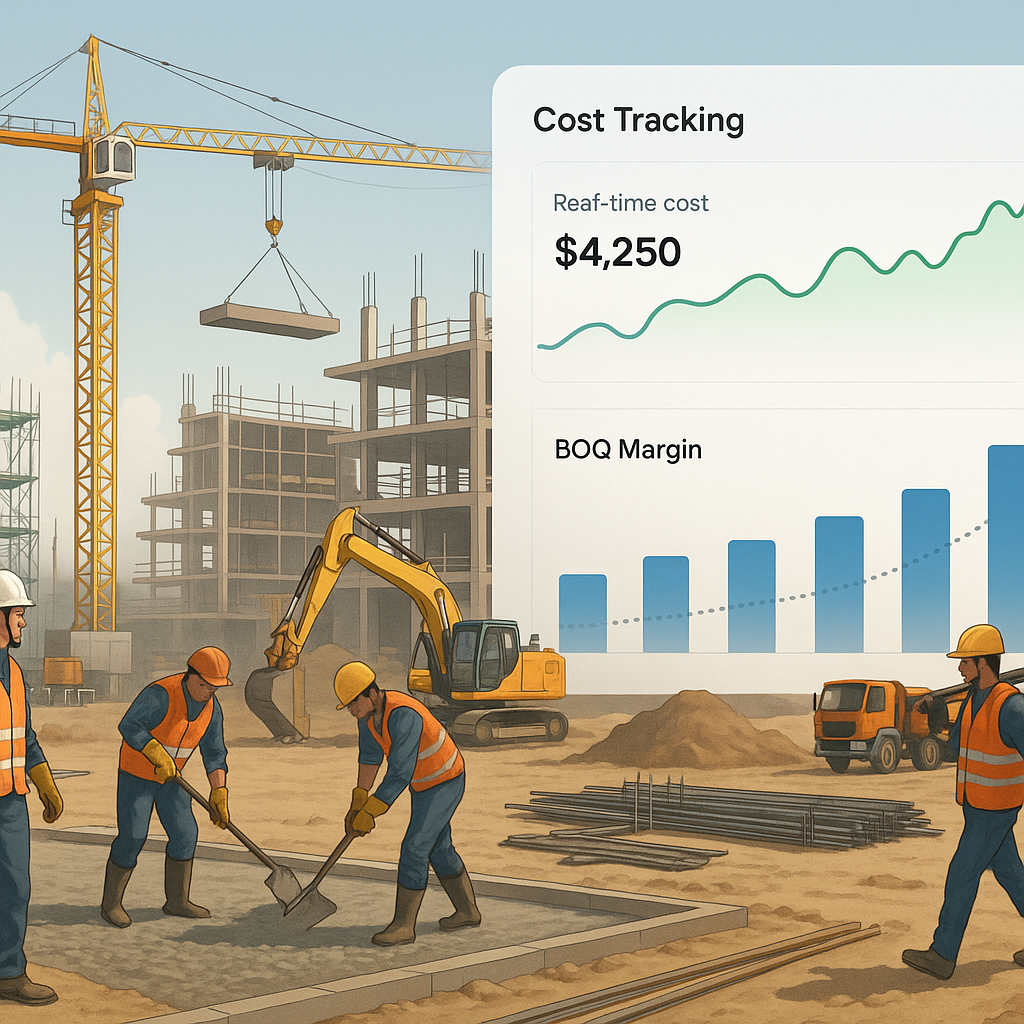
ERP systems allow contractors to monitor profitability down to the BOQ item level. Managers can compare estimated costs to actuals in real-time, flagging any negative-margin items before they spiral out of control. For example, if steel prices increase mid-project, you can immediately see how that affects the bottom line and adjust procurement strategies accordingly.
2. Integrated Budget Validation
Every material purchase, subcontractor payment, and equipment hire is validated against pre-approved budgets within the ERP system. This prevents unauthorized spending and ensures you never exceed your allocated resources.
3. Revenue Protection
One of the most overlooked areas in construction is billing. Contractors often lose revenue because completed work isn’t invoiced correctly—or at all. ERP systems enforce structured workflows with multiple billing methods, ensuring every piece of work is accounted for. RA Bills, stage-wise billing, monthly billing—you name it, the system handles it.
Illustrative Example — Using BOQ Margin Tracking
Let’s say you’re running a mid-sized EPC project. The initial BOQ estimated a certain margin. Halfway through the project, you review the BOQ Margin Report in your ERP system. It flags two work items where costs have already exceeded the budget—concrete and labor.
Rather than waiting for the end-of-month review, you act immediately. For the concrete overrun, you renegotiate supplier rates and switch to an alternate vendor. For the labor costs, you redistribute workers across sites to optimize productivity.
By the project’s end, your margin holds closer to the original estimate, instead of sinking further. This proactive approach can make a significant difference for any contractor.
Common Challenges in ERP Implementation
No tool is perfect, and ERP systems are no exception. Here are the top challenges contractors face during implementation:
1. Data Migration
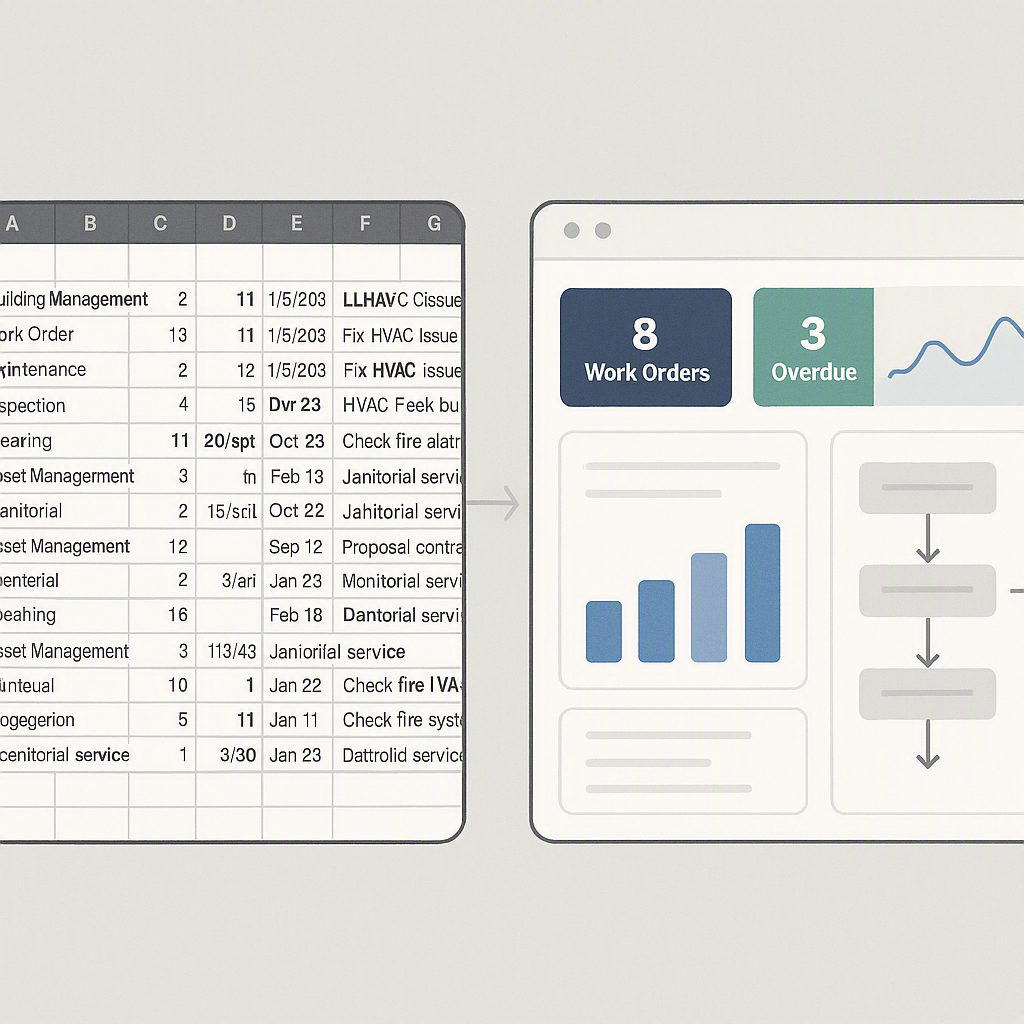
Moving from spreadsheets or disconnected systems to an ERP can be messy. You need clean data—no duplicate entries, no outdated BOQs, and no missing vendor details.
2. User Resistance
Change is hard. Your team might resist the new system, especially if they’re used to manual processes. Training is critical—don’t skip it.
3. Customizations
Construction workflows vary widely between contractors. Off-the-shelf ERPs often require customization to fit your specific processes. Make sure your ERP provider offers flexible configurations.
FAQs
Q: How do I convince my team to adopt an ERP?
A: Show them the ROI. Use examples like the BOQ margin tracking scenario above to illustrate how the ERP saves time and money.
Q: Can an ERP really help with compliance?
A: Yes. Modern systems have built-in GST/TDS auto-computation, statutory deductions (PF, ESI), and Tally integration for Indian reporting. In the GCC, it supports VAT compliance.
Q: What’s the biggest mistake contractors make when implementing an ERP?
A: Skipping the data cleanup step. If your initial data is messy, the system won’t deliver accurate insights.
Final Thoughts
Real-time profit tracking isn’t just a nice-to-have. For contractors operating in competitive markets like India and the GCC, it’s essential. An ERP system combines structured procurement workflows, integrated billing, and powerful analytics to help you protect margins before they erode.
If you’re dealing with margin erosion, disconnected systems, or billing chaos, consider exploring ERP solutions tailored for construction.
Learn more at JobNext.ai