Procurement in Construction: Why Margins Are Shrinking
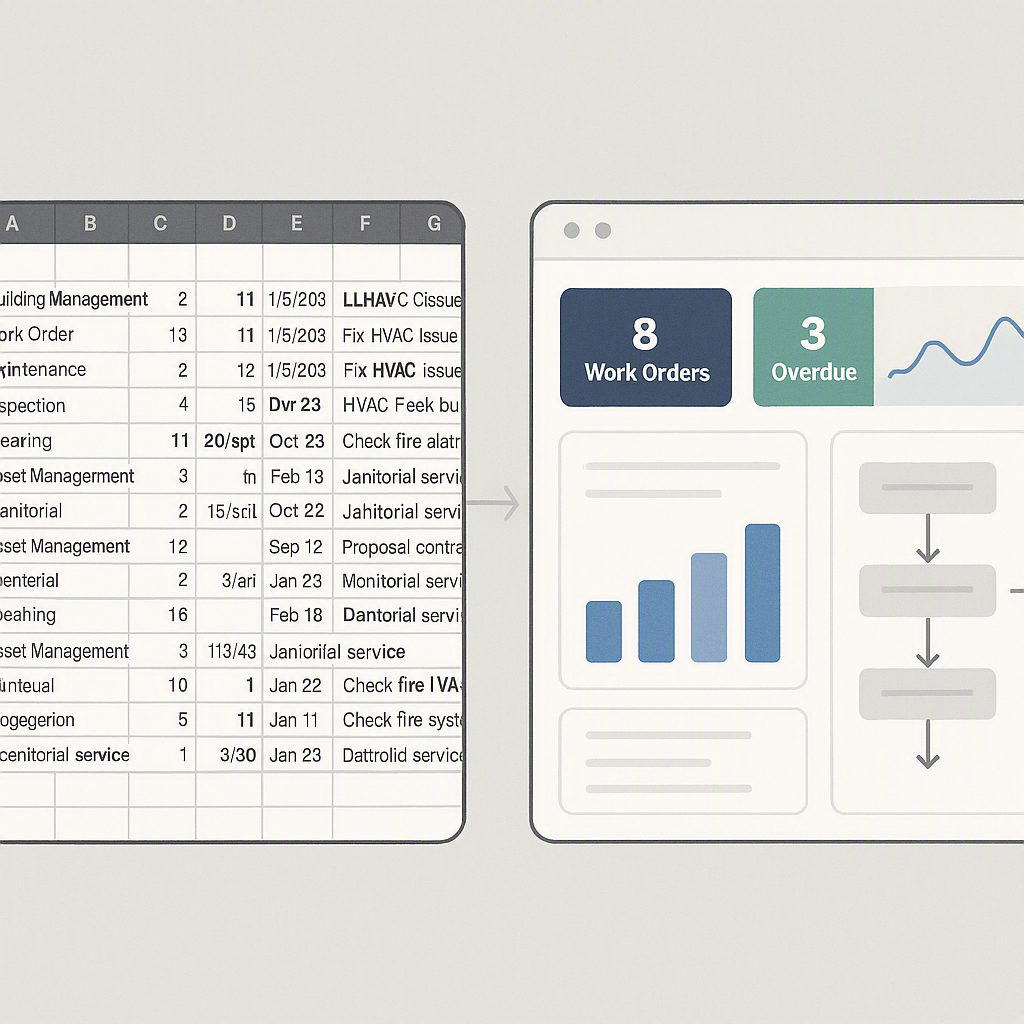
Margins in construction are razor-thin. A single missed RFQ or duplicate purchase can turn a profitable project into a financial headache. Many contractors still rely on disconnected tools—emails, spreadsheets, and WhatsApp messages—to manage procurement. It’s chaotic, error-prone, and expensive.
But here’s the good news: structured workflows can fix this. Let’s break it down.
The Typical Procurement Chaos
Imagine this: A site engineer requests materials (MR) for Project A. Meanwhile, Project B needs the same materials, but the requests are raised separately. Neither team checks existing stock. The procurement head scrambles to get quotes from vendors, but the RFQs go out late. By the time POs are issued, prices have gone up. Worse, a vendor delivers less than promised, and nobody notices until the project is delayed.
Sound familiar? This isn’t just a one-off scenario. It’s everyday reality for contractors without a structured procurement system.
The Fix: Structured Workflows
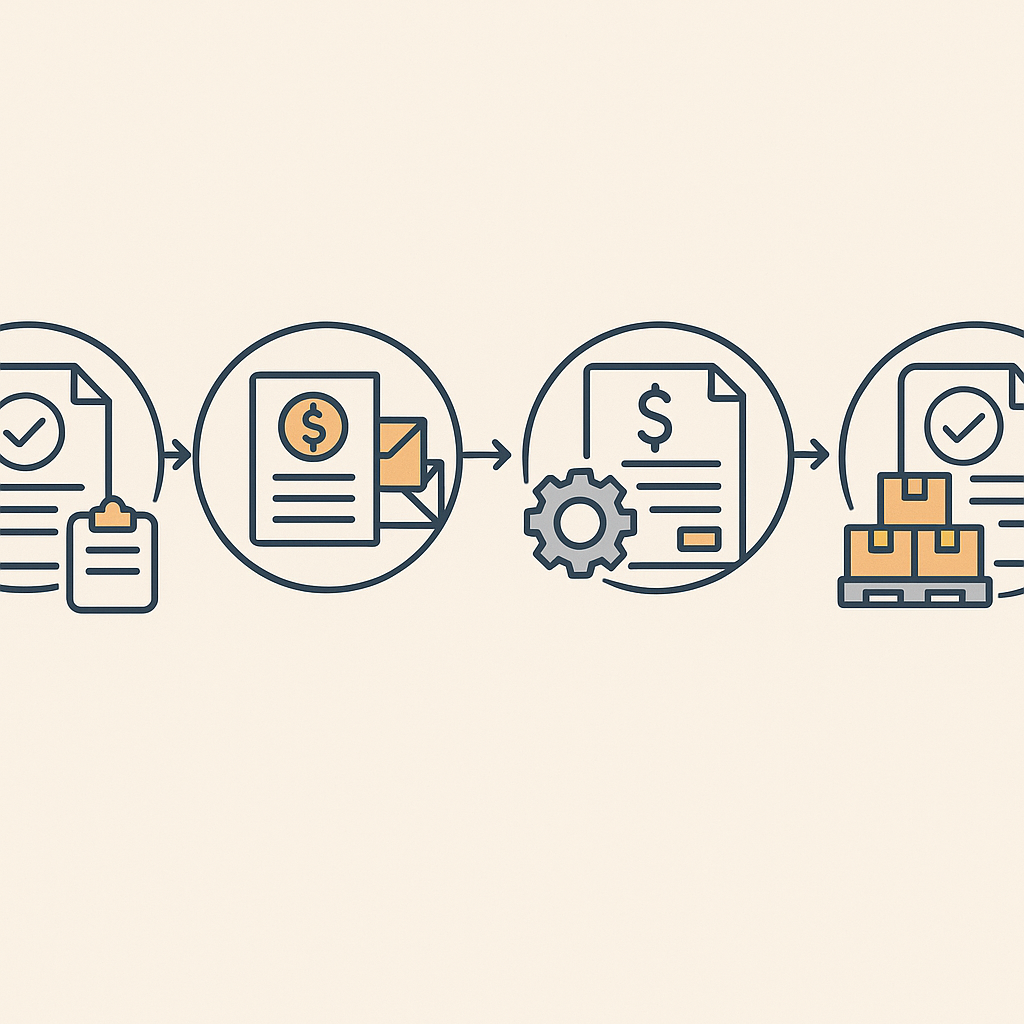
A structured procurement workflow eliminates guesswork. Here’s how a procurement system can tackle it:
1. Budget-Validated Material Requisitions (MR)
Every material request is validated against the project’s budget. If the budget doesn’t allow it, the MR can’t proceed. This prevents unauthorized purchases and keeps costs under control.
2. Smart Routing
Think you need to buy more materials? Check stock first. A smart routing system automatically routes MRs to existing inventory if materials are available. If not, the system initiates an RFQ for new procurement. This avoids duplicate purchases and reduces overstocking.
3. RFQ and Competitive Bidding
RFQs are sent to multiple vendors with detailed specifications. Vendor offers are ranked using a comparative statement (L1/L2/L3) based on total landed cost. Line-item selection ensures you get the best deal for every single material.
4. Purchase Order (PO) Automation
Once the vendor is selected, the PO is auto-populated with all approved terms—pricing, taxes, delivery schedules, and payment milestones. Amendments? No problem. A controlled workflow for post-approval changes ensures transparency.
5. Three-Way Matching: PO → MRN → Invoice
This is where most contractors lose money. A three-way matching system compares the PO, the Material Receipt Note (MRN), and the vendor’s invoice. Discrepancies trigger alerts. So, if a vendor delivers less material than billed, you’ll know immediately.
Common Mistakes Contractors Make
-
Skipping Stock Checks Contractors often rush to procure without checking existing inventory. Solution? Automate stock routing.
-
Ignoring Vendor Comparisons Awarding contracts to the same vendor out of habit costs you. Always compare.
-
Delaying Approvals Procurement cycles stretch because site and finance approvals aren’t synced. Use workflow automation to speed this up.
-
No Material Reconciliation Materials delivered to site are never reconciled with what was ordered. Regular reconciliation prevents wastage and theft.
FAQ: Procurement in Construction
Q: How does structured procurement save time? A: It automates repetitive tasks like vendor ranking and PO creation. Teams focus on higher-value activities instead of chasing paperwork.
Q: Can this system handle urgent purchases? A: Absolutely. A structured system supports quick orders for immediate needs while maintaining audit trails.
Q: What about compliance? A: GST, TDS, and statutory deductions can be built into the system, ensuring you stay compliant.
Why It Matters
Structured procurement is not just about cutting costs—it’s about controlling them before they spiral. By automating and streamlining procurement processes, contractors can reduce errors, improve efficiency, and protect their margins.
If you’re bleeding margins on procurement, it’s time to act.
Ready to Fix Your Margins?
A structured procurement system eliminates chaos, prevents margin erosion, and ensures every rupee is well spent. Start exploring solutions today.
Learn more at JobNext.ai