The Problem: Margin Erosion from Poor Visibility
Contractors everywhere share a common pain: keeping margins intact. In India and GCC, this problem is amplified by the sheer complexity of multi-site operations. Running simultaneous projects across multiple geographies, often with disconnected systems, means numbers get lost, costs balloon, and profitability quietly erodes.
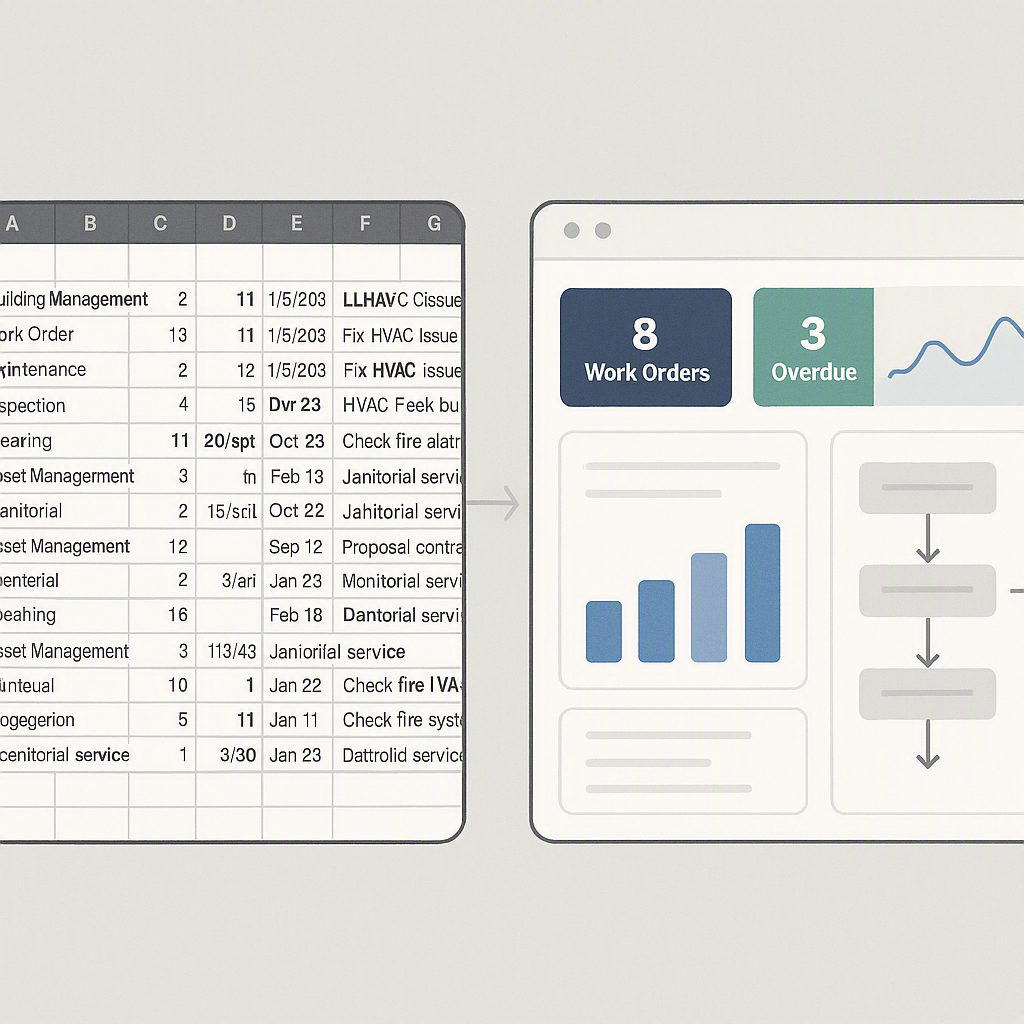
Take project cost tracking as a prime example. A contractor managing an HVAC installation in Dubai might have estimates locked into spreadsheets, material requests in emails, and vendor invoices in hard copies. By the time the finance team reconciles everything, three things are already wrong:
- The project is over budget.
- Subcontractor billing has gaps.
- Equipment costs are misallocated.
Sound familiar? These inefficiencies are not just inconvenient—they're expensive. And the larger the operation, the more pronounced the problem becomes. If you're overseeing multiple projects across regions, even minor errors in cost tracking can cascade into significant margin erosion.
Common Challenges Leading to Margin Erosion
1. Fragmented Systems
- Contractors often rely on a mix of tools: spreadsheets, emails, standalone HR software, and accounting systems. These disconnected tools require manual data reconciliation, increasing the potential for errors.
2. Lack of Real-Time Visibility
- Without real-time tracking, managers rely on outdated financial reports to spot problems, leaving no room for proactive intervention.
3. Poor Procurement Processes
- Ad hoc or "emergency" purchases often bypass approval workflows, leading to budget overruns.
4. Subcontractor Management Issues
- Disputes over progress measurements and delayed payments strain relationships and disrupt project timelines.
5. Equipment Mismanagement
- Lack of tracking for machinery utilization and maintenance leads to inefficiencies and unnecessary costs.
Why Mobile ERP Changes the Game
Mobile ERP isn’t just software on a smartphone—it’s a paradigm shift in how contractors operate. It empowers businesses to manage real-time operations, streamline workflows, and maintain control, even on the move. By consolidating fragmented processes into one unified system, mobile ERP offers the visibility and agility required to protect margins.
Key Advantages of Mobile ERP
1. Real-Time Visibility
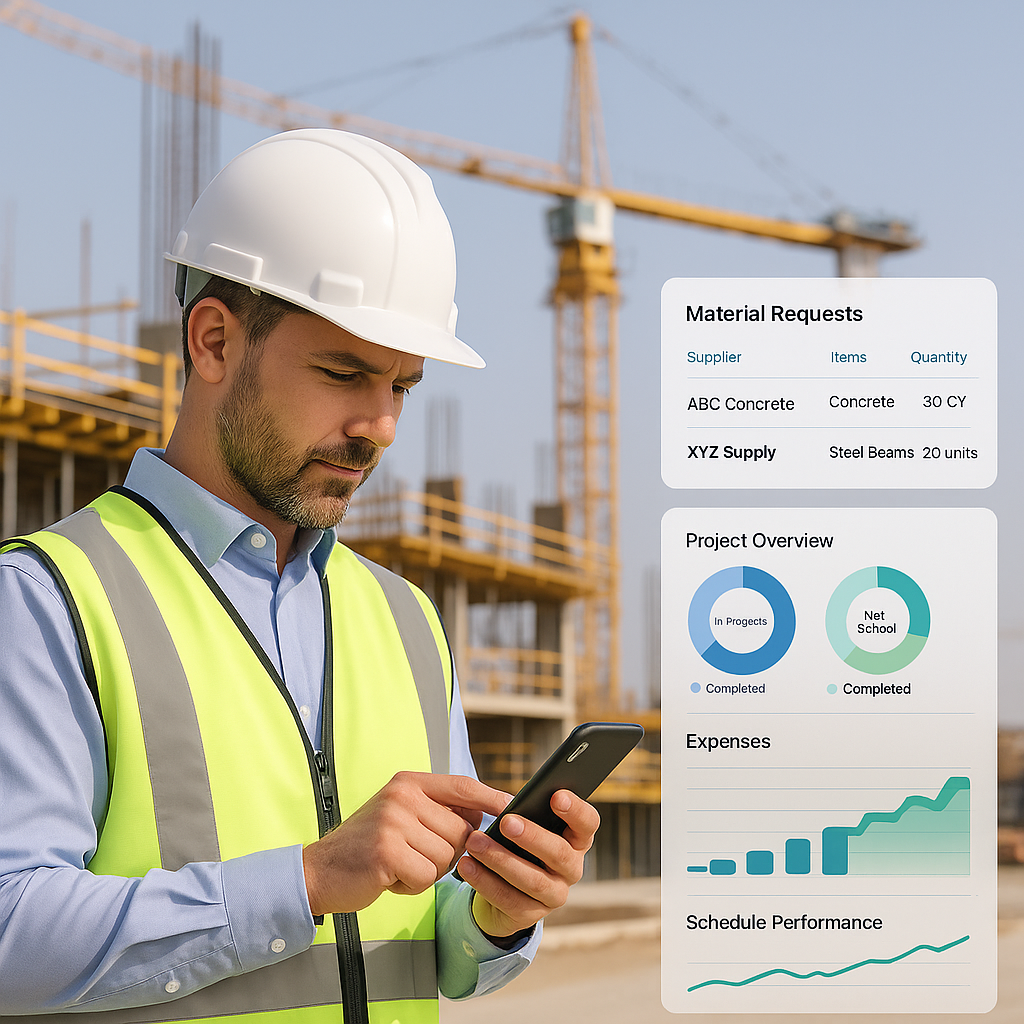
- Platforms like JobNext provide live dashboards for tracking project profitability across bill-of-quantities (BOQs), scopes, and estimates. This means you can identify issues as they happen, not weeks later.
2. Streamlined Procurement
- Mobile platforms enforce strict procurement workflows. For example, JobNext ensures every material request is validated against approved budgets before approval. This eliminates unauthorized purchases and reduces wasteful spending.
3. Subcontractor Claim Validation
- Subcontractors can submit progress claims directly into the system, with site engineers validating these claims on-site via mobile. This structured workflow prevents disputes and ensures payments are accurate and timely.
4. Unified Operations
- By replacing fragmented systems, mobile ERP creates a "single source of truth" for operations. From tendering to HR management, everything happens in one place, accessible anywhere.
Expanded Use Cases for Mobile ERP
Procurement Discipline
Procurement is a common pain point for contractors. Without formalized workflows, it's easy for site managers to bypass approvals, leading to unplanned expenses. Here's how mobile ERP addresses this:
Step-by-Step Procurement Workflow with Mobile ERP:
- Material Request (MR): Site manager submits a material request through the mobile app.
- Budget Validation: The system checks the MR against the approved project budget.
- Request for Quotation (RFQ): Procurement team sends RFQs to vendors directly from the platform.
- Vendor Selection: Vendors respond with quotes that are evaluated within the system.
- Purchase Order (PO): Approved quotes are converted into POs, ensuring compliance.
This structured workflow ensures accountability, reduces errors, and keeps procurement aligned with project budgets.
Subcontractor Management
Managing subcontractors is another area where mobile ERP shines. Disputes over work progress and delayed payments are common in the construction industry. Mobile ERP ensures transparency and structure in subcontractor billing.
How Mobile ERP Simplifies Subcontractor Billing:
- Subcontractors log progress claims directly in the system.
- Site engineers validate claims on-site using the mobile app.
- Approved claims trigger automated payment workflows, ensuring timely compensation.
- Historical billing data is securely stored for future reference, simplifying audits and minimizing disputes.
By eliminating manual processes and miscommunication, mobile ERP fosters stronger relationships with subcontractors.
Equipment Utilization and Maintenance
Inefficient equipment management can severely impact project costs. Mobile ERP systems track machinery from procurement to disposal, helping you maximize utilization and minimize downtime.
Key Features for Equipment Management:
- Utilization Tracking: Record usage hours to ensure equipment is being used efficiently.
- Maintenance Scheduling: Receive automated notifications for preventive maintenance, reducing the risk of breakdowns.
- Depreciation Management: Track equipment value over time to make informed decisions about repairs or replacements.
Comparison Table: Traditional Systems vs. Mobile ERP
| Feature | Traditional Systems | Mobile ERP (e.g., JobNext) |
|---|---|---|
| Real-Time Tracking | Limited | Yes |
| Procurement Workflow | Manual and error-prone | Automated and structured |
| Subcontractor Management | Disjointed, prone to disputes | Transparent, validated claims |
| Equipment Management | Minimal or manual tracking | Full lifecycle tracking |
| Statutory Compliance | Requires manual effort | Automated compliance reports |
| Data Integration | Fragmented systems | Unified platform |
What the Numbers Say
A 2023 McKinsey report observed that contractors who adopt real-time cost tracking see an average margin improvement of 14%. This figure underscores a simple principle: visibility equals control.
For contractors in the GCC, mobile ERP tools offer additional advantages. With strict VAT compliance and Saudization quotas to manage, real-time data collection simplifies both regulatory reporting and labor tracking, preventing costly fines and ensuring smooth operations.
Common Mistakes to Avoid
1. Over-Complicating Workflows
- Keep approval chains streamlined. Too many steps can discourage adoption and slow down operations.
2. Ignoring Training
- Mobile ERP adoption fails when site teams don’t understand the tools. Invest in proper onboarding and ongoing support.
3. Skipping Integrations
- Ensure the platform integrates with existing tools like Tally, QuickBooks, or Razorpay-X for seamless operations.
FAQ
Q: Can mobile ERP handle multi-currency operations? A: Yes. Platforms like JobNext support multi-currency transactions, making them suitable for contractors operating across India and GCC regions. Dual GST compliance is also supported.
Q: Is mobile ERP scalable for large contractors? A: Absolutely. Mobile ERP platforms are designed to scale with businesses managing 50 to 2,000+ employees across multiple projects.
Q: How does mobile ERP improve equipment utilization? A: Mobile ERP tracks equipment utilization, maintenance schedules, and depreciation in real time, enabling better decision-making and cost control.
Q: How much training is needed to adopt a mobile ERP? A: Training requirements depend on the platform's complexity. However, most systems like JobNext are designed with user-friendly interfaces and offer detailed onboarding support.
Q: What’s the ROI of implementing mobile ERP? A: The ROI varies, but contractors typically see significant improvements in margin control, reduced errors, and streamlined workflows. According to McKinsey, real-time tracking alone can improve profitability by 14% on average.
Call to Action
If you're struggling with margin erosion, disconnected systems, or operational inefficiencies, consider adopting a mobile ERP like JobNext. Take control of your multi-site projects with real-time tracking, streamlined workflows, and unified operations. Start your journey to better margins today.
Citations:
- FMX Facilities Management: Hard FM Success Starts with Preventive Maintenance: Context on the importance of preventive systems.
- Profit Lessons for GCC Contractors from Large-Scale Projects: Insights into margin control strategies.
- McKinsey & Company, 2023: Data on margin improvement from real-time tracking.
Learn more at JobNext.ai