ERP's Role in Project Cost Management for GCC and India Contractors
In the past, I believed that managing project costs was just about keeping an eye on expenses and ensuring they didn't exceed the budget. It seemed straightforward—until I encountered the layers of complexity involved in the construction industry, particularly in the GCC (Gulf Cooperation Council) and India. The nuances of currency fluctuations, intricate compliance requirements, and integration with local financial systems like Tally were not on my radar.
The Catalyst: Realizing the Complexity
It was during a project in the UAE in 2022 that I realized how complex project cost management could be. We were using spreadsheets to track expenses, and the sheer volume of data made it impossible to spot discrepancies until they became significant issues. This experience mirrored findings from ePromis, which highlighted how ERP systems automate the tracking of expenses—whether it's supplier payments, subcontractor fees, or machinery rentals.
Understanding the Complexity
For contractors in the GCC and India, managing project costs involves more than just tracking expenses. It requires a deep understanding of several factors:
-
Currency Fluctuations: Contractors must account for changes in currency values, which can significantly impact project costs. Tools within ERP systems can help forecast and mitigate these risks by providing real-time exchange rates and allowing for automated conversions. This ensures that financial planning remains on track despite market volatility.
-
Compliance Requirements: Each region has its own set of regulations. For example, India has GST and TDS, while the GCC countries have their own tax laws. ERP systems can automate compliance tracking, reducing the risk of costly penalties. These systems alert users to upcoming compliance deadlines and changes in regulatory requirements, ensuring that contractors remain in good standing with local authorities.
-
Data Volume: Construction projects generate a massive amount of data. Spreadsheets are often insufficient for managing this data effectively, leading to errors and oversight. ERP systems, with their robust data management capabilities, allow for the efficient handling of large datasets, providing insights and trends that would otherwise be missed.
Why the Old Belief Persisted
For a long time, manual tracking seemed sufficient because it was familiar. Many contractors, especially in smaller firms, rely on traditional methods due to a lack of awareness about ERP systems' capabilities. The misconception that ERP solutions are only for large corporations also contributed to this outdated belief.
Breaking the Myth
-
Familiarity with Spreadsheets: Contractors are often comfortable with spreadsheets because they have been the industry standard for decades. However, they are prone to errors and require manual data entry, which is time-consuming and can lead to significant discrepancies in financial reporting.
-
Cost Concerns: Smaller firms may perceive ERP systems as expensive. However, cloud-based solutions have made ERP systems more affordable and scalable, allowing businesses to pay only for what they use. This pay-as-you-go model reduces the initial financial burden, making ERP systems accessible to smaller contractors.
-
Perceived Complexity: There's a belief that ERP systems are complex and require significant time and resources to implement. While there is an initial learning curve, the long-term benefits of streamlined processes and reduced errors far outweigh the initial investment. Training and support from vendors can ease the transition and ensure that teams become proficient quickly.
What We Do Differently Now
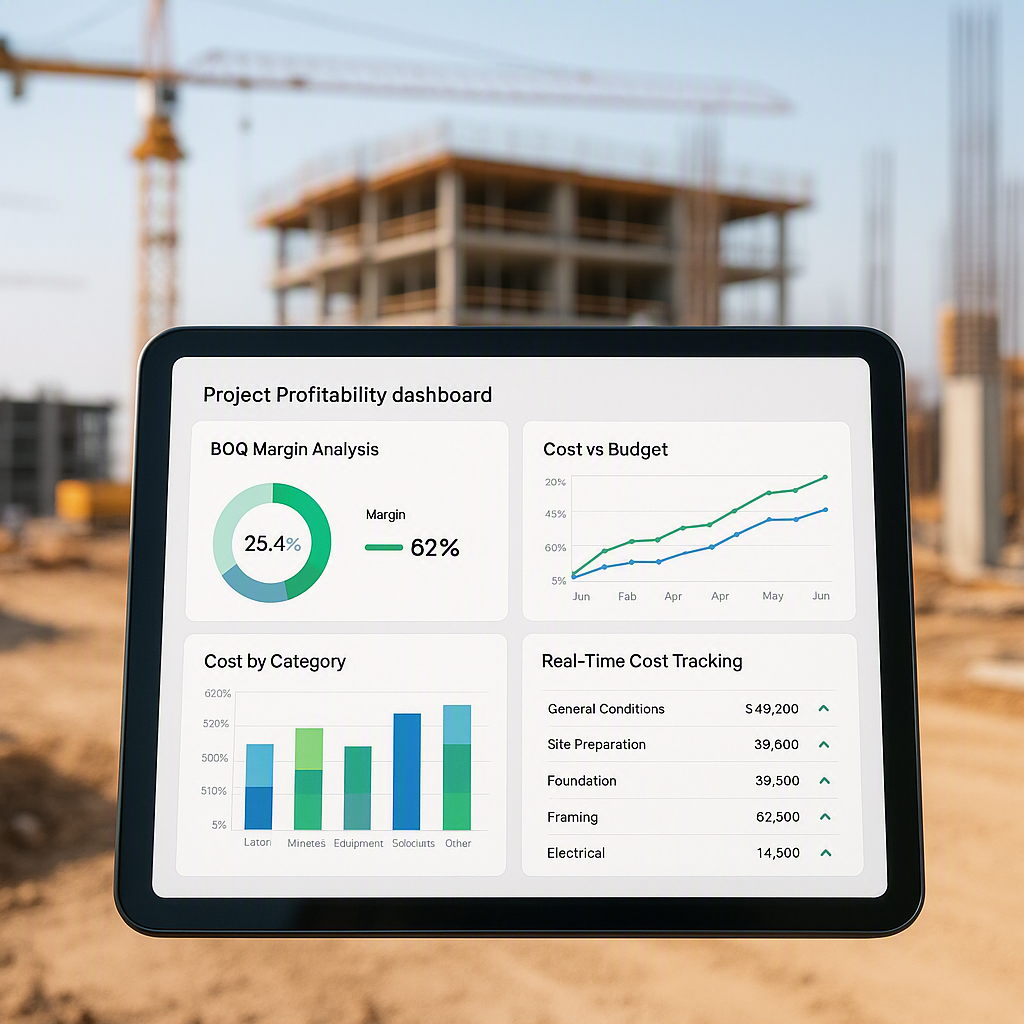
Now, we use ERP solutions tailored for project cost management. Systems like JobNext provide real-time project profitability monitoring, which is crucial for managing costs effectively. According to JobNext, these systems help prevent cost overruns by offering structured workflows and compliance tools.
Implementing ERP Solutions
-
Real-Time Monitoring: ERP systems offer dashboards that display real-time data, allowing contractors to make informed decisions quickly. This instant access to data enables proactive management of project finances and timely interventions when issues arise.
-
Structured Workflows: By standardizing processes, ERP systems minimize the risk of errors and ensure consistency across projects. Structured workflows also facilitate better communication and collaboration among team members, leading to more efficient project execution.
-
Compliance Tools: Automated compliance tracking reduces the risk of penalties and ensures that all regulations are met without the need for constant manual oversight. ERP systems can also generate compliance reports, which are useful for audits and internal reviews.
Key Features of ERP Systems for Contractors
- Budget Tracking: ERP systems allow for detailed tracking of all costs associated with a job, from materials and labor to overhead. This enables more accurate budget management, as noted by ECI Solutions.
How to Use Budget Tracking
-
Set Clear Budgets: Define budgets for each project phase and track spending against these budgets. This involves setting up project milestones and associating them with financial targets.
-
Monitor Variances: Use ERP tools to identify and address budget variances promptly. Automated alerts can notify project managers of any deviations from the planned budget, allowing for immediate corrective action.
-
Forecast Cost Trends: Utilize historical data to predict future costs and adjust budgets accordingly. This predictive capability helps in setting more realistic budgets for future projects.
- Multi-Currency Support: For international projects, the ability to handle multiple currencies is crucial. ERP systems provide this functionality, ensuring that currency fluctuations don't erode profit margins.
Managing Multiple Currencies
-
Automated Currency Conversion: Use ERP systems to automatically convert currencies based on real-time exchange rates. This eliminates manual conversion errors and ensures that financial statements remain accurate.
-
Risk Mitigation: Implement hedging strategies within the ERP system to protect against currency volatility. This can involve setting thresholds for acceptable currency fluctuations and receiving alerts when these are breached.
- Integration with Local Systems: Integration with local financial tools like Tally is essential for compliance with regional tax requirements such as GST and TDS in India.
Seamless Integration
-
Connect with Local Systems: Ensure that your ERP integrates with local software like Tally to maintain compliance. This integration facilitates the automatic transfer of financial data, reducing manual entry and potential errors.
-
Automate Reporting: Use integrated systems to generate financial reports that meet local regulatory standards. These reports can be customized to reflect specific compliance requirements, making audits more straightforward.
- Compliance Tracking: Ensuring compliance with local regulations can be complex. ERP systems automatically handle statutory deductions and compliance requirements, reducing the risk of penalties.
Ensuring Compliance
-
Automated Deductions: ERP systems can automatically calculate and deduct taxes like GST and TDS. This not only ensures accuracy but also saves time during financial reconciliations.
-
Compliance Alerts: Set up alerts within the ERP system to notify you of upcoming compliance deadlines or changes in regulations. This proactive approach helps avoid last-minute rushes and potential fines.
Integration with Local Systems and Compliance
One of the significant advantages of ERP systems is their ability to integrate seamlessly with local financial systems. This integration is particularly important in regions like GCC and India, where compliance with local financial regulations is non-negotiable. Deltek explains that project-based ERP systems are designed to handle such complexities, ensuring smooth operations.
Steps for Successful Integration
-
Assess Compatibility: Before implementing an ERP system, ensure that it is compatible with your existing financial tools and local regulations. This involves reviewing the ERP system's capabilities and consulting with vendors on specific integration needs.
-
Plan the Integration: Develop a detailed integration plan that includes timelines, resource allocation, and testing phases. This plan should outline each step of the integration process and assign responsibilities to team members.
-
Training and Support: Provide training for your team to ensure a smooth transition to the new system. Offer ongoing support to address any issues that arise. Encourage feedback from users to continuously improve system usage and address any pain points.
Choosing the Right ERP Solution for Your Business
When selecting an ERP solution, consider factors such as scalability, vendor support, and specific regional needs. Planisware suggests seeking solutions with open APIs for better integration with existing tools.
Decision Framework for ERP Selection
| Criteria | Considerations |
|---|---|
| Scalability | Can the ERP system grow with your business? |
| Customization | Does the system allow for customization to meet your specific needs? |
| Vendor Support | Is there adequate support from the vendor for implementation and troubleshooting? |
| Integration Capabilities | Can it integrate with your existing tools and systems? |
| Cost | Does the pricing model fit your budget? |
Future Trends in ERP for Project Cost Management
The future of ERP in project cost management looks promising with advancements in AI and automation. These technologies are expected to enhance data accuracy and decision-making capabilities. Moreover, the shift towards cloud-based ERP solutions is gaining momentum, offering greater flexibility and scalability.
Emerging Trends
-
AI and Machine Learning: These technologies can predict cost overruns and suggest corrective actions, improving project profitability. By analyzing past project data, AI can identify patterns and provide forecasts that help in better resource allocation.
-
Cloud-Based Solutions: Cloud ERP systems offer scalability and remote access, making them ideal for contractors with multiple project sites. They also reduce the need for on-premises infrastructure, lowering overall IT costs.
-
Enhanced Data Analytics: Advanced analytics tools within ERP systems provide deeper insights into project performance. These tools can visualize data in intuitive dashboards, helping managers make data-driven decisions.
Common Questions about ERP for Project Cost Management
1. What are the top 3 ERP systems?
While specific top systems can vary, solutions like SAP, Oracle, and Microsoft Dynamics are often cited for their robust features and comprehensive support for project cost management.
2. What is ERP in project management?
ERP in project management involves the use of integrated software to manage and streamline various project processes, from budgeting to execution. It ensures that all project components work in harmony to achieve the desired outcomes.
3. What are the five ERP modules?
Common ERP modules include finance, HR, procurement, inventory, and project management. Each module handles a specific business function, collectively offering a holistic view of the organization's operations.
4. How can ERP systems help with compliance?
ERP systems automate compliance tracking by integrating with local financial systems, ensuring that all statutory requirements are met. They provide real-time updates on compliance status and generate necessary reports for regulatory submissions.
5. Are ERP systems cost-effective for small contractors?
Yes, modern cloud-based ERP solutions offer scalable pricing models, making them accessible for small contractors. These systems can be tailored to fit the specific needs and budget constraints of smaller firms.
In my view, the shift to ERP systems for project cost management is not just a trend but a necessity, especially in regions with complex compliance requirements. If you're dealing with similar challenges, JobNext can help streamline your processes.
Overall, the adoption of ERP systems is set to transform project cost management in the GCC and India, offering solutions that are both compliant and efficient.
Learn more at JobNext.ai