Why Free ERP Software Sounds Great — But Isn't
Contractors love the idea of free ERP software. Who wouldn’t? No upfront cost, no subscription fees — just download and go. But here’s the reality: free isn’t really free.
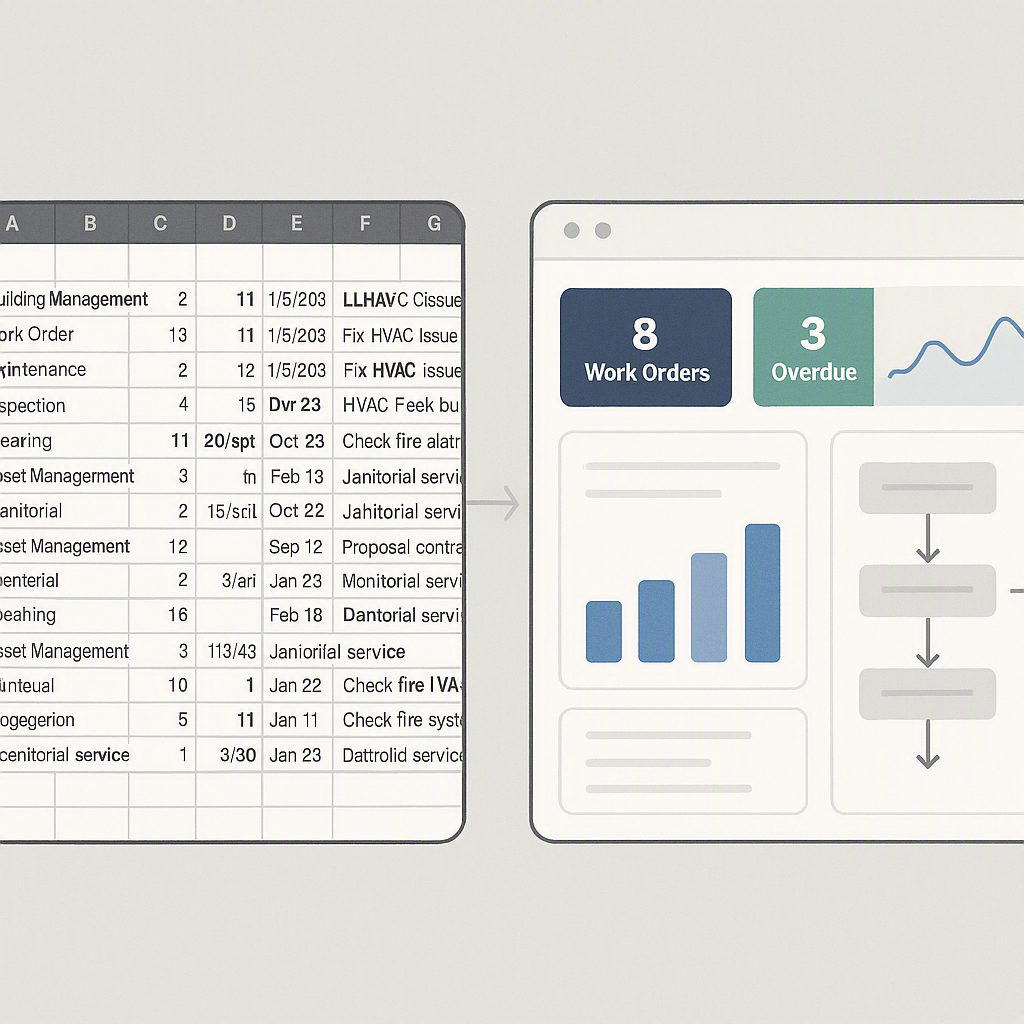
Take disconnected systems, for example. Most free ERP tools don’t cover the full scope of construction workflows. You might get basic accounting or inventory tracking, but what about subcontractor management, multi-site payroll, or specialized billing methods? Those gaps lead to manual rework, missed payments, and margin erosion.
What Free ERP Tools Miss
1. Job-Based Cost Tracking
Construction isn’t just accounting. It’s job-specific profitability. Free ERP tools often lack the ability to provide detailed cost tracking by job, scope, or phase. You might track total costs, but understanding whether a specific job is profitable can be difficult without advanced tools.
2. Multi-Site HR Complexity
Managing HR across multiple sites can be challenging. Free ERP tools may not support region-specific compliance requirements or multi-location attendance tracking. This can lead to inefficiencies and additional manual work.
3. Subcontractor Progress Tracking
Subcontractor costs can escalate if progress isn’t measured and validated properly. Free tools often lack features like measurement sheet tracking or progress-based payment controls, which are critical for managing subcontractor workflows effectively.
The Cost of Free ERP Software
Hidden Costs
Free ERP software often requires significant customization to meet the needs of construction companies. This includes adding features for compliance tracking, specialized billing methods, or equipment lifecycle management. Customizations can be time-consuming and costly, negating the initial savings.
Risk of Downtime
Open-source ERP systems can sometimes be buggy or lack dedicated support. If a critical module fails during a project, you may face delays and additional costs to resolve the issue. Paid systems typically come with support contracts and service-level agreements (SLAs) to mitigate such risks.
Missed Features
Free ERP tools may cover basic functionalities but often lack advanced analytics and reporting capabilities. For example, paid systems may offer pre-built reports and dashboards tailored to construction workflows, while free tools may require manual data exports and additional effort to generate insights.
When Free ERP Might Work
Free ERP software can work for very small contractors running a limited number of projects. If your needs are basic — such as tracking invoices and simple costs — a free tool might suffice. However, for contractors managing subcontractors, multiple sites, or complex billing methods, free ERP software may not be adequate.
How Structured ERP Fixes the Problem
Unified Platforms Save Margins
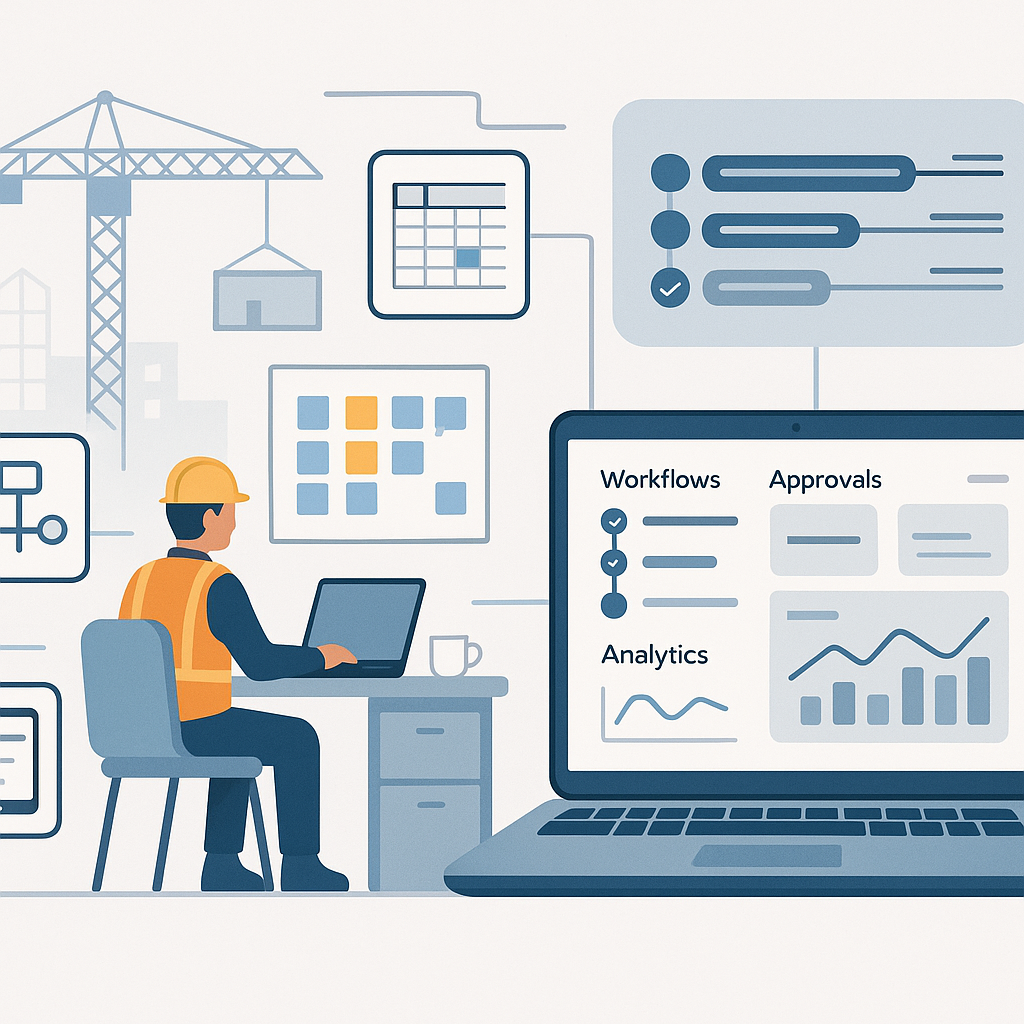
Structured ERP systems integrate all workflows into a single platform. From BOQs to subcontractor work orders, every process is connected, reducing manual re-entry and data loss.
Real-Time Reporting
Advanced ERP systems provide dashboards and reports that allow you to track profitability by job, scope, or site in real time. This enables better decision-making and helps identify areas where costs can be controlled.
Compliance and Controls
Construction companies often face region-specific compliance requirements, such as GST or payroll regulations. Structured ERP systems include built-in compliance tools, saving time and reducing the risk of fines.
FAQ
1. Are free ERP tools ever worth it?
Free ERP systems can work for small contractors with simple workflows. However, as your business scales, the gaps in functionality can outweigh the initial cost savings.
2. Can free ERP tools handle construction billing methods?
Most free ERP tools do not support specialized billing methods like RA billing, stage-wise billing, or BOQ-based invoicing, which are critical for construction companies.
3. How hard is it to migrate from free ERP to paid?
Migrations can be challenging if your data isn’t structured well. Free tools often lack standard export formats, making it harder to transfer data to a paid system.
4. What’s the difference between free and open-source ERP?
Free ERP is usually a limited version of paid software. Open-source ERP provides access to the source code but requires technical expertise to customize and maintain.
Common Mistakes
- Underestimating customization costs: Free ERP tools often require significant developer hours to fill functionality gaps.
- Ignoring scalability: What works for a few projects may not scale to handle larger operations.
- Skipping compliance: Non-compliance with regional regulations can result in fines and operational disruptions.
Conclusion
Free ERP software might seem like an attractive option, but the hidden costs and limitations can be significant for construction companies. Disconnected systems, poor cost tracking, and compliance gaps can erode margins and create inefficiencies. For contractors managing complex workflows, investing in a structured ERP system is often a better choice.
Learn more at JobNext.ai